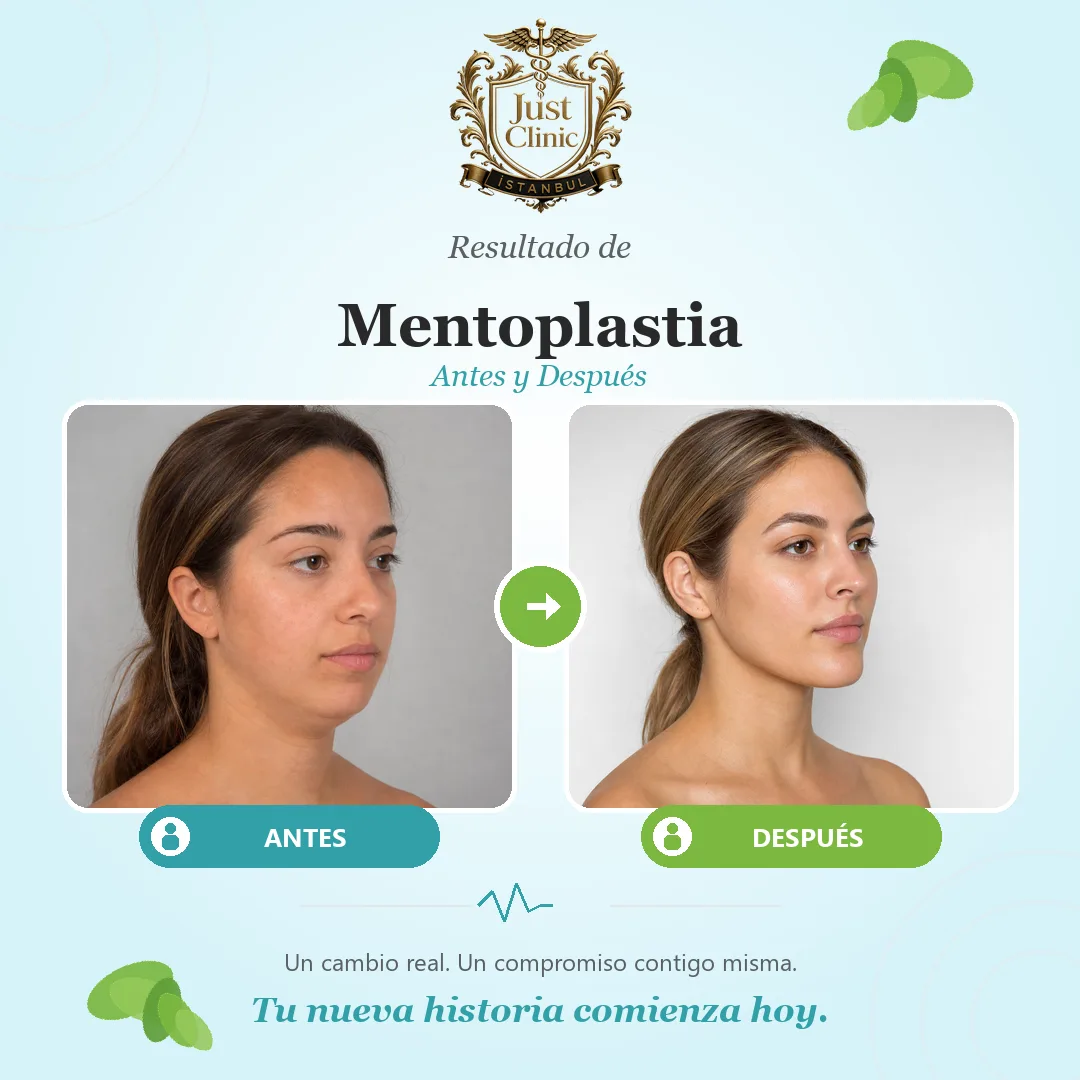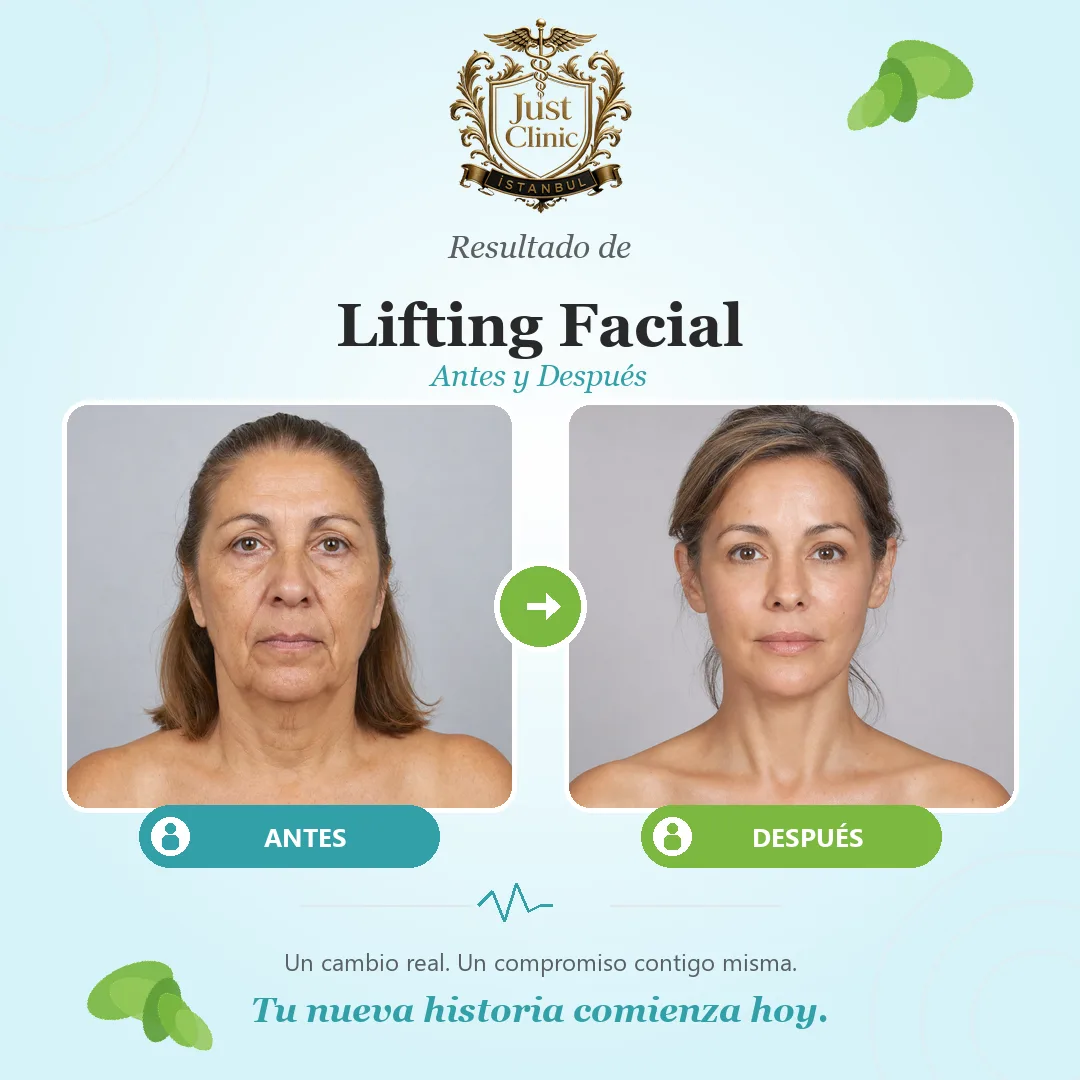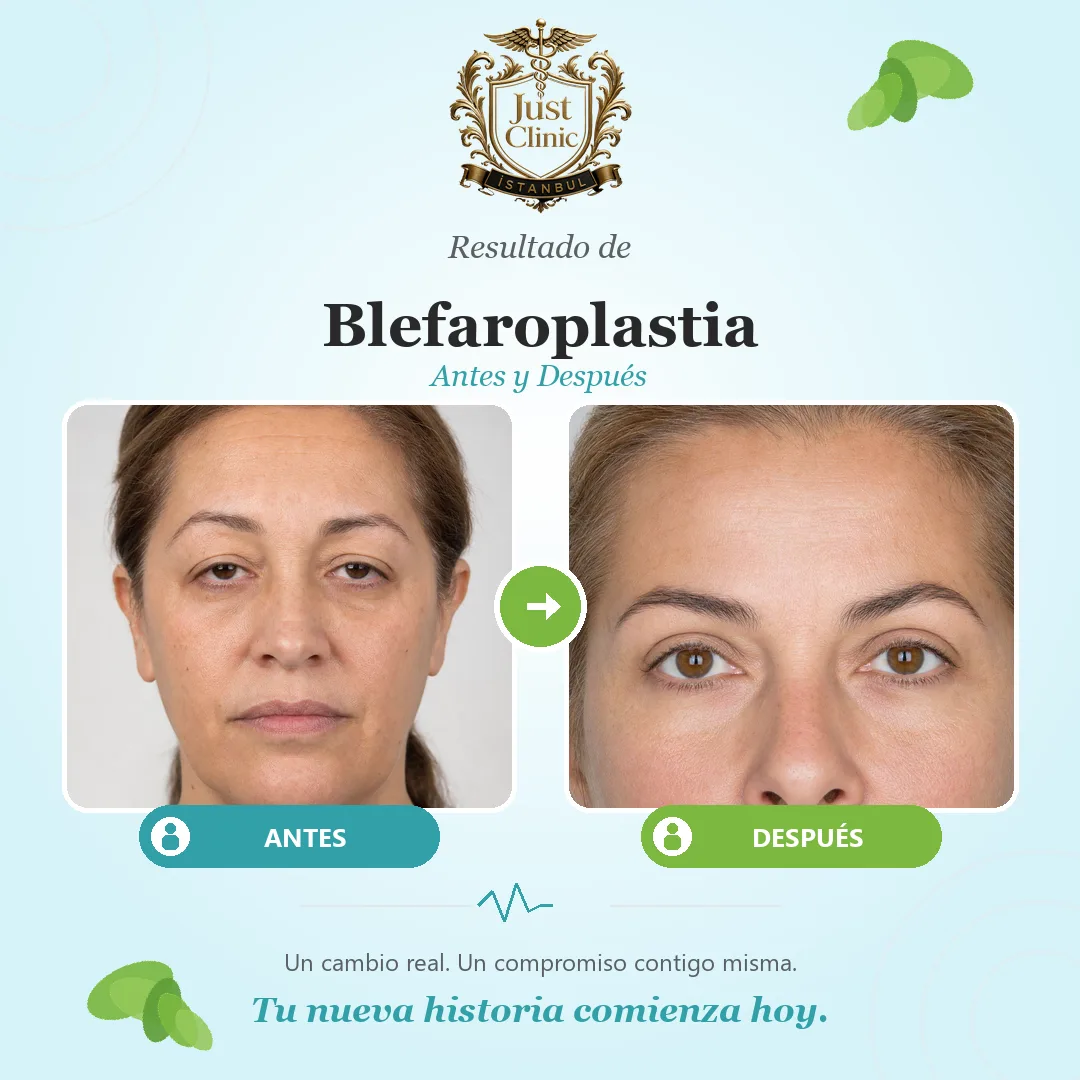
Facial aesthetic surgery covers very different decisions: lifting facial or neck tissues, changing eyelid or brow position, reshaping the chin or ears, removing cheek fat, or adding volume with transferred fat. Compare the relevant specialist, proposed anatomy-specific change, operating setting, quote and aftercare for the exact procedure. Just Clinic Istanbul is an independent marketing and lead-generation platform, not a healthcare provider or medical tourism intermediary. Enquiries may be shared with authorised healthcare partners with your consent. We can help identify and compare available options according to the treatment being researched, expected service level and budget; independent providers decide clinical suitability and treatment.
What should I compare across facial surgery hospitals and clinics in Turkey?
Start with the feature you want assessed, then compare providers with relevant experience, clear surgical scope, appropriate facility and a written plan for follow-up. A facelift, eyelid operation, chin procedure, otoplasty, buccal fat removal and facial fat transfer are not interchangeable and should not be judged by one broad “facial surgery” quote.
Use the Istanbul provider directory to begin a shortlist, then verify the named clinician, exact procedure, facility, anaesthesia arrangements and follow-up directly. It is a research resource, not a ranking or evidence of clinical superiority.
Is Turkey a reasonable option for facial aesthetic surgery in my situation?
It may be reasonable when the exact procedure, operating clinician, facility and follow-up are clear and you can remain near care for the reviews your clinician considers necessary. The answer differs between, for example, eyelid surgery and a facelift; facial procedures do not share one recovery or travel plan. Consider whether you can return for review if swelling, wound healing or vision symptoms need in-person assessment.
Before deciding, discuss your medical history and the proposed travel with a clinician, confirm a local urgent-care plan and arrange transfer of your records home. The CDC Yellow Book describes planning for complications and follow-up after care abroad; it is general guidance, not a recommendation of any destination or provider.
How will a clinician assess whether I am a candidate for facial surgery?
Candidacy depends on the feature involved, anatomy, health, medicines, previous procedures, healing risks and what change is realistic. The relevant assessment can differ by specialty: eyelid or visual symptoms may need eye expertise, while a chin or jaw concern may require a different evaluation from a skin or soft-tissue concern. Ask what examination is planned, what alternatives exist and what would lead the clinician to delay, stage or decline surgery.
Do not treat a photograph, online consultation or package description as final clearance. For buccal-fat removal or facial fat transfer, ask how age-related volume change, skin quality and the specific goal affect the proposed plan.
How much does facial aesthetic surgery cost in Turkey?
There is no meaningful combined price range for nine different operations. A facelift, blepharoplasty, chin surgery, neck lift, brow lift, otoplasty, temporal lift, buccal fat removal and facial fat transfer have distinct scopes and providers. Compare a current service-level reference with an itemised quote for that exact plan.
Swipe across the table to compare every column.
| Guide and procedure | Planning range | Scope to compare |
|---|---|---|
| Facelift | €3,200–€7,200 | The procedure in the linked guide; confirm anaesthesia, facility, travel items and follow-up inclusions in writing. |
| Blepharoplasty | €1,500–€3,200 | The procedure in the linked guide; confirm anaesthesia, facility, travel items and follow-up inclusions in writing. |
| Chin surgery | €2,300–€5,200 | The procedure in the linked guide; confirm anaesthesia, facility, travel items and follow-up inclusions in writing. |
| Neck lift surgery in Turkey: cost guide | €4,500–€7,500 | The procedure in the linked guide; confirm anaesthesia, facility, travel items and follow-up inclusions in writing. |
| Endoscopic brow lift in Turkey: cost guide | €2,000–€3,500 | The procedure in the linked guide; confirm anaesthesia, facility, travel items and follow-up inclusions in writing. |
| Temporal Brow Lift in Turkey: Cost Guide | €3,000–€4,500 | The procedure in the linked guide; confirm anaesthesia, facility, travel items and follow-up inclusions in writing. |
| Buccal fat removal in Turkey | €2,000–€3,000 | The procedure in the linked guide; confirm anaesthesia, facility, travel items and follow-up inclusions in writing. |
| Otoplasty in Turkey: ear pinning cost guide | €1,900–€3,000 | The procedure in the linked guide; confirm anaesthesia, facility, travel items and follow-up inclusions in writing. |
| Facial fat transfer in Turkey: cost guide | €1,500–€2,200 | The procedure in the linked guide; confirm anaesthesia, facility, travel items and follow-up inclusions in writing. |
These figures come from the current linked Just Clinic guides. They are planning references, not individual provider quotations, quality scores or a combined branch average. Compare the same clinical stages and written inclusions; accommodation and transfers belong in the quote only when expressly included by the independent provider.
Use the individual guides for facelift, blepharoplasty, chin surgery, neck lift, brow lift, otoplasty, temporal brow lift, buccal fat removal and facial fat transfer. Confirm whether quoted fees include anaesthesia, facility, tests, overnight observation, garments, medicines, reviews and complication care.
Should facial surgery take place in a hospital or a specialist clinic?
“Clinic” can mean a consultation office or a facility where an operation is performed. Ask where your exact procedure will take place, whether that facility is authorised for it, who provides anaesthesia, what observation is available and how urgent problems are escalated. Confirm who performs the operation and where follow-up happens, especially for procedures near the eyes.
A hospital name does not verify the clinician’s relevant experience, and a specialist clinic’s name does not establish that it has operating capability. Check the actual team, location and facility arrangements for your procedure.
Why do facial procedure quotes vary?
Price can reflect different anatomy, extent of work, surgeon involvement, anaesthesia, operating time, facility, overnight care and follow-up. A “mini” or “awake” label does not tell you which tissues will be treated or what is excluded. A higher price does not guarantee a better outcome, and a lower one is not proof of inferior care.
Swipe across the table to compare every column.
| Provider profile | Planning reference | What a difference might reflect |
|---|---|---|
| Premium hospital setting | The upper end of the specific procedure’s own range — an upper-range budget scenario | Facility resources, named team, device or implant, clinical complexity and documented follow-up; confirm each item. |
| Established private hospital or specialist clinic | Compare within the same procedure and stage; no branch-wide midpoint | A different service scope or operating model; price does not establish clinician experience or suitability. |
| Value-focused provider | The lower end of the same procedure’s own range — a lower-range budget scenario | Lean service scope, travel exclusions or other commercial differences; check clinical responsibility and extra costs. |
The procedures in this branch do not share one clinically meaningful price range. Apply these budgeting scenarios separately to each relevant procedure; do not average different operations, devices, eyes, jaws or treatment stages.
These are comparison scenarios, not evidence that a particular provider type charges a particular amount. A higher price does not guarantee a better result, and a lower price does not automatically indicate lower medical quality.
Use these planning references only for like-for-like quote discussions, not as quality ratings for named providers. Since the procedures are materially different, do not combine them into a facial-surgery average.
What are the best facial surgery hospitals or clinics in Turkey?
There is no single best facial provider for every concern. Match the clinician's specialty and experience to the anatomy involved: eyelid concerns may warrant oculoplastic or eye expertise; ear, nose, jaw or chin questions may call for different specialist input. Ask who will assess you in person, who will operate and who will see you after surgery.
Check later-stage examples that resemble your concern and ask how complications such as bleeding, nerve weakness, poor wound healing, eyelid closure problems or asymmetry are assessed. Verify provider credentials and facility capability directly; directory listings and ratings do not establish branch-specific availability or outcomes.
How should I compare facelift and neck-lift techniques?
Ask which facial and neck features the operation is intended to address, what tissue layer will be repositioned and why that approach suits your anatomy. “Deep-plane”, “SMAS”, “mini” and “awake” labels describe aspects of a plan but do not prove that one technique is universally better or lasts longer. Published comparisons have limitations, so the surgeon should explain the trade-offs, scars, anaesthesia and alternatives for your case.
A facelift can improve some visible signs of ageing but cannot stop ageing or guarantee a particular look. Read the deep-plane and SMAS evidence review, then compare facelift cost scope and the neck-lift guide. ASPS: facelift risks and safety.
What should I ask before eyelid or brow surgery?
Clarify whether the concern is excess eyelid skin, eyelid position, brow descent, visual function or appearance. Before blepharoplasty, disclose dry-eye symptoms, eye conditions, contact-lens use and prior eye procedures, and ask how closure and the ocular surface will be protected. Eyelid surgery carries specific risks including dry eye, altered lid position and, rarely, visual impairment; sudden vision changes or severe eye pain require urgent assessment. NHS eyelid surgery information.
For brow or temporal lift, ask how brow height, expression, hairline and scar placement will be assessed and what “natural” means for your facial proportions. See blepharoplasty anaesthesia and recovery evidence, brow-lift questions and temporal-lift planning.
How do lip lift, cheek or dimple procedures differ from Botox and fillers?
A lip lift changes the position of the upper lip through surgery; cheek-dimple creation and cheek reshaping also involve different techniques, tissue and risks from injections. The available lip-lift and cheek-dimple options are described in their lip-lift and cheek-dimple package information; ask for the exact incision or placement, permanence, scar and revision discussion rather than inferring technique from a label. A package listing alone does not confirm that the procedure is appropriate or currently available from a particular provider.
Botulinum toxin temporarily reduces muscle activity, while dermal fillers add volume or alter contours; neither is facial surgery and neither substitutes for a lift or tissue removal. Ask who prescribes and injects, which product is used, where it is authorised for injection and how vascular or other complications are managed. The FDA distinguishes the products and warns that filler risks can be serious: FDA: dermal filler do’s and don’ts.
How do chin surgery and otoplasty differ from a facelift?
Chin surgery may involve an implant or bone reshaping, while otoplasty changes ear shape or position; neither is simply a smaller facelift. Ask whether the concern is soft tissue, bone or facial proportion, what incision and implant material are proposed, and whether a dental, jaw or ENT assessment is relevant. Chin appearance can affect perceived facial balance, but combined rhinoplasty or other work should have a clear clinical rationale.
For ear pinning, ask how symmetry, scar placement, sensation and dressings or headband instructions will be handled. Consult the chin surgery guide, otoplasty guide, chin surgery patient guide and ear surgery recovery guide. ASPS chin surgery overview.
What should I consider before buccal fat removal or facial fat transfer?
Buccal fat removal reduces a specific deep cheek fat pad; ask how removing it may change your face as it naturally loses volume with age, what alternatives exist and why the amount is appropriate. A result that looks fuller or slimmer in a filtered image is not a reliable prediction of your long-term appearance.
Facial fat transfer uses fat from a donor area and can add volume, but retention and the final contour are variable and further treatment may be discussed. Ask which donor site and facial zones are planned, what amount is reasonable, and how donor-area recovery is included. Read the guides to buccal fat removal, facial fat transfer, long-term cheek-volume questions and fat-transfer recovery. ASPS: facial fat injections.
Can I combine facial procedures in one operation?
Some procedures can be combined for selected patients, but the full plan changes operating time, anaesthesia, recovery and risk. Ask the surgeon to identify each operation and explain why doing them together is appropriate, what will be omitted if safety or operative time becomes a concern, and when staging is preferable.
Packages can combine facial procedures, but a bundle title does not show that every component is necessary or suitable. Compare the facelift with eyelid package, deep-plane facelift option, neck-lift package and eyelid package by named scope and exclusions.
How should I interpret reviews and choose a package?
Look for procedure-specific accounts that include later follow-up and describe how questions or complications were handled. Reviews may help assess communication and organisation but cannot establish clinical superiority. Ask for the surgeon's own comparable cases and discuss unedited healing stages.
An all-inclusive package may make logistics easier to compare when it clearly names the procedure, facility, accommodation, transfers, reviews and exclusions. Treatment-only may suit someone arranging their own stay. Confirm who delivers clinical care and who takes responsibility after the trip; Just Clinic does not provide treatment or arrange it.
How do I plan aftercare and urgent help after facial surgery?
Get written instructions for wound and eye care, medicines, activity, sleep position, review visits and return travel from the clinician performing the procedure. Do not use another patient's timetable. Confirm an in-person review pathway and how records will reach a clinician at home.
Sudden vision change, severe eye pain, rapidly increasing swelling, significant bleeding, fever, new facial weakness or breathing difficulty needs urgent assessment. For less urgent concerns, know the treating team's contact and response hours before you travel.
How can I build a shortlist, and can Just Clinic choose a provider?
Record the exact feature and procedure; named clinician and verified qualifications; relevant specialty; facility and anaesthesia; risks and alternatives; itemised price and package exclusions; comparable cases; and in-person and home-country follow-up. Ask the same questions of each provider and take time to review consent material.
Just Clinic can help identify and compare available options by treatment, expected service level and budget. It cannot determine suitability or select a universal best or safest provider; the independent clinician makes those decisions. Explore the facial procedure price collection and related package collection.