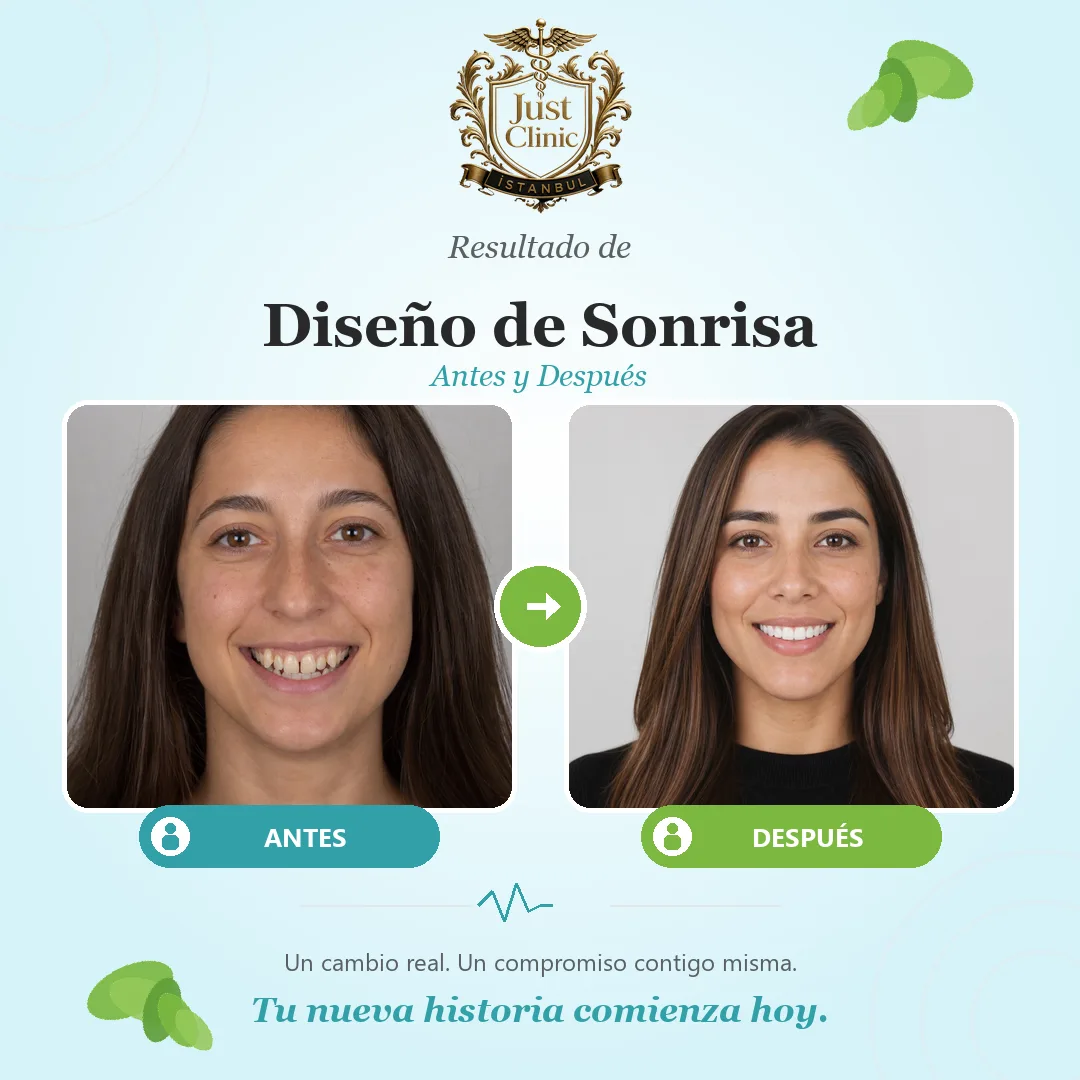
“Smile design” is a broad label for a plan that may use whitening, bonding, veneers, crowns, orthodontics or care for unhealthy teeth; it is not one standard procedure. Compare what will happen to each tooth, how much natural enamel may be altered and how the result will be maintained. A photo preview or package name cannot show whether a restoration suits your bite and tooth health.
What should a smile-design plan say?
A complete plan names the treatment for each tooth and the reason for it. It should distinguish whitening or bonding from porcelain veneers, crowns, implants or gum treatment, and state tooth numbers, shade, shape, material, laboratory steps and follow-up.
Ask for the diagnosis and alternatives before approving a mock-up. “Hollywood Smile” can describe different scopes; compare the smile-design guide with the Hollywood Smile guide rather than treating a package name as a clinical plan.
Is Turkey a reasonable option for smile design or restorative dentistry?
Turkey may be one option to compare when a dentist examines you, explains irreversible changes and arranges care for problems after return. The destination alone cannot determine whether veneers, crowns or another option suits your teeth.
Ask how diagnosis, consent, travel, repair and home-dentist handover work before deciding. The FCDO guidance on planned treatment abroad advises patients to understand aftercare and complication arrangements.
What should be checked before cosmetic work?
The dentist should examine teeth, gums, bite and existing restorations and investigate pain, decay, cracks or infection before covering teeth. Imaging may be appropriate depending on findings. Treating colour or shape without addressing disease can leave a problem hidden beneath a restoration.
If root-canal treatment is proposed, ask why and what alternatives exist. It is a separate service in the root-canal guide and should not be assumed to sit inside a cosmetic package.
Should I choose veneers or crowns?
Veneers cover the visible front of a tooth and may suit selected cosmetic changes when tooth health, bite and enamel support bonding. Crowns cover more of a tooth and may be considered when it is substantially weakened or damaged; they remove more tooth structure. The dentist should explain why the coverage matches each tooth.
Ask whether whitening, composite bonding, orthodontics or fewer restorations could meet your goal with less alteration. Read the veneer evidence guide beside examples of veneer and crown packages.
When might a zirconia crown suit one tooth rather than a full smile plan?
A zirconia crown is a full-coverage restoration, while a veneer covers mainly the visible front surface. Whether a crown is suitable depends on tooth condition, remaining structure, bite and intended change; the material name alone does not decide treatment. Ask why one tooth needs a crown and whether a less extensive restoration could work.
Compare the zirconia crown price guide and single-jaw crown package with a veneer plan. A single-tooth need and a multi-tooth design are different scopes. Request tooth numbers, material, preparation and repair terms in writing. The ADA review of indirect restorative materials outlines material and fracture considerations.
How much enamel may be removed?
Preparation depends on tooth position, shape, bite and the change requested; no single depth suits everyone. A “no-prep” promise is not automatically conservative if added material would feel bulky, irritate gums or affect cleaning. Once sound enamel is removed, the change is generally irreversible.
Ask which teeth need preparation, how much sound tooth will remain and what happens if a mock-up is uncomfortable. Ask for the least invasive reasonable option to be discussed for each tooth.
Can every visible tooth be treated at once?
No. The number of teeth should follow diagnosis and the goal, not a fixed package count. If many crowns or veneers are proposed, ask why each tooth needs treatment and whether work can be limited or staged.
A larger plan affects cost, bite adjustment and future repairs. Ask how healthy teeth will be preserved and how an individual damaged restoration would be managed later.
How should shade and shape be agreed?
Choose shade and shape with natural features, gum line, speech and bite in mind, rather than relying on a filtered photograph. Ask to review a mock-up where offered, and check comfort, pronunciation, lip support and cleaning access.
Confirm who records your approval and whether the design can change before final bonding. A digital simulation supports discussion but cannot guarantee the final appearance. The ADA whitening guidance notes that natural teeth and existing restorations respond differently to bleaching.
How should I compare clinicians and facilities?
Check who examines you, prepares the teeth, takes responsibility for final fit and bite, and which laboratory makes the restorations. Ask about restorative training and experience, infection control, consent and records. ADA guidance stresses dentist-led diagnosis for treatment that alters tooth structure.
Before-and-after images may show style but cannot prove that the same treatment suits your teeth. Ask whether the cases are comparable and what work was done.
Should I choose a hospital or a specialist dental clinic?
Many restorative plans are delivered in a dental setting, while sedation, medical complexity or associated surgery may call for additional facility capabilities. Ask where examination, tooth preparation, sedation if any, laboratory try-in and final bonding happen, and who is responsible at each stage.
Confirm dentist qualifications and facility capability for the actual treatment proposed. The appropriate setting depends on the case; it is not a quality ranking by itself.
What are the best smile-design clinics and hospitals in Turkey?
There is no universal best provider for every smile or bite. Compare the named dentist, restorative experience, tooth-by-tooth diagnosis, laboratory coordination, consent, quote and repair route. Ask whether the dentist examines you before proposing irreversible work.
Check review dates, whether a review concerns the same procedure and whether it describes later fit, bite or follow-up. Ask how complaints are handled and who clinically reviews a problem; ratings and photographs cannot establish treatment suitability.
What changes the cost of smile design?
Cost can depend on tooth count, veneers versus crowns, material, laboratory work, gum or root-canal treatment, temporary restorations, implants, visits and review scope. A package may assume a particular number of teeth and exclude problems found on examination.
Use the current reference as a planning tool, then request an itemised quote that separates disease treatment from elective work.
Swipe across the table to compare every column.
| Guide and procedure | Planning range | Scope to compare |
|---|---|---|
| Smile design | €2,500–€9,000 | An individual multi-tooth plan; veneers, crowns and implants are different scopes. |
| Hollywood Smile in Turkey | €3,200–€3,500 | The smile plan described in the linked guide; confirm tooth count, material and preparation. |
| Zirconia crowns in Turkey: cost per tooth | €200–€350 | One crown on a natural tooth; implant, root canal, post/core and multi-tooth packages excluded. |
| Root canal treatment in Turkey | €100–€300 | Root canal care for the tooth described in the guide; confirm tooth, canals, retreatment and final restoration. |
These figures come from the current linked Just Clinic guides. They are planning references, not individual provider quotations, quality scores or a combined branch average. Compare the same clinical stages and written inclusions; accommodation and transfers belong in the quote only when expressly included by the independent provider.
Swipe across the table to compare every column.
| Provider profile | Planning reference | What a difference might reflect |
|---|---|---|
| Premium hospital setting | The upper end of the specific procedure’s own range — an upper-range budget scenario | Facility resources, named team, device or implant, clinical complexity and documented follow-up; confirm each item. |
| Established private hospital or specialist clinic | Compare within the same procedure and stage; no branch-wide midpoint | A different service scope or operating model; price does not establish clinician experience or suitability. |
| Value-focused provider | The lower end of the same procedure’s own range — a lower-range budget scenario | Lean service scope, travel exclusions or other commercial differences; check clinical responsibility and extra costs. |
The procedures in this branch do not share one clinically meaningful price range. Apply these budgeting scenarios separately to each relevant procedure; do not average different operations, devices, eyes, jaws or treatment stages.
These are comparison scenarios, not evidence that a particular provider type charges a particular amount. A higher price does not guarantee a better result, and a lower price does not automatically indicate lower medical quality.
What might a package include or exclude?
A package may cover a defined number of veneers or crowns with selected accommodation and coordination. It may exclude extra teeth, root-canal or gum treatment, implants, night guards, later repair or another visit. Ask for exact tooth numbers, material, lab steps, temporary restorations and exclusions in writing.
Examples include 16 veneers, 20 veneers and single-jaw crowns. They represent different scopes, not recommendations.
A treatment-only fee covers the stated clinical work; a package may add selected hotel or coordination services. Ask for clinical and travel inclusions to be itemised separately.
How should I plan travel for staged restorative work?
Ask how many appointments are needed for examination, preparation, temporary restorations, try-in and bonding. A package stay may cover some visits but does not establish that a tooth is ready for final work or remove the need for later checks.
Get a plan for unexpected decay, sensitivity, a poor bite or a restoration that needs adjustment after you return. Keep dates flexible until the dentist confirms required appointments and travel advice. The UK Surgery Abroad checklist recommends planning aftercare and travel before booking.
What should I arrange for care after returning home?
Agree who handles sensitivity, a loose restoration, a high bite, gum irritation, fracture or pain after you leave. Ask whether your dentist at home can receive notes, imaging, material and shade details, and whether remote help or an in-person return is needed for repair.
Persistent pain, swelling, fever or difficulty swallowing needs prompt dental or medical assessment. Do not assume a package covers correction at home.
How should I compare providers and reviews?
Compare diagnosis, tooth-by-tooth rationale, conservative options, material and laboratory details, consent, written quote and repair plan. Reviews can describe communication and service, but cannot verify clinical outcomes or prove superiority for your teeth.
Check review date, procedure relevance, later follow-up and complaint handling. Ask each provider the same questions and review records before paying a deposit. Clear advice about when not to crown or veneer a healthy tooth supports an informed choice.
Use the hospitals and healthcare providers directory as a starting point for a provider shortlist. Confirm which named clinician and facility provide the specific service and how the proposed plan is delivered.
What is Just Clinic Istanbul’s role?
Just Clinic Istanbul is an independent marketing and lead-generation platform, not a healthcare provider or medical tourism intermediary. Enquiries may be shared with authorised healthcare partners with your consent. We can help identify and compare available options according to the treatment being researched, expected service level and budget. Independent providers decide clinical suitability and treatment.
Where can I read more before comparing plans?
Use the dental price guides to distinguish smile design, Hollywood Smile, crowns and root-canal care. For preparation trade-offs, read the enamel-preservation evidence guide and the smile-design patient guide, then compare the proposed tooth-by-tooth plan with a dentist.