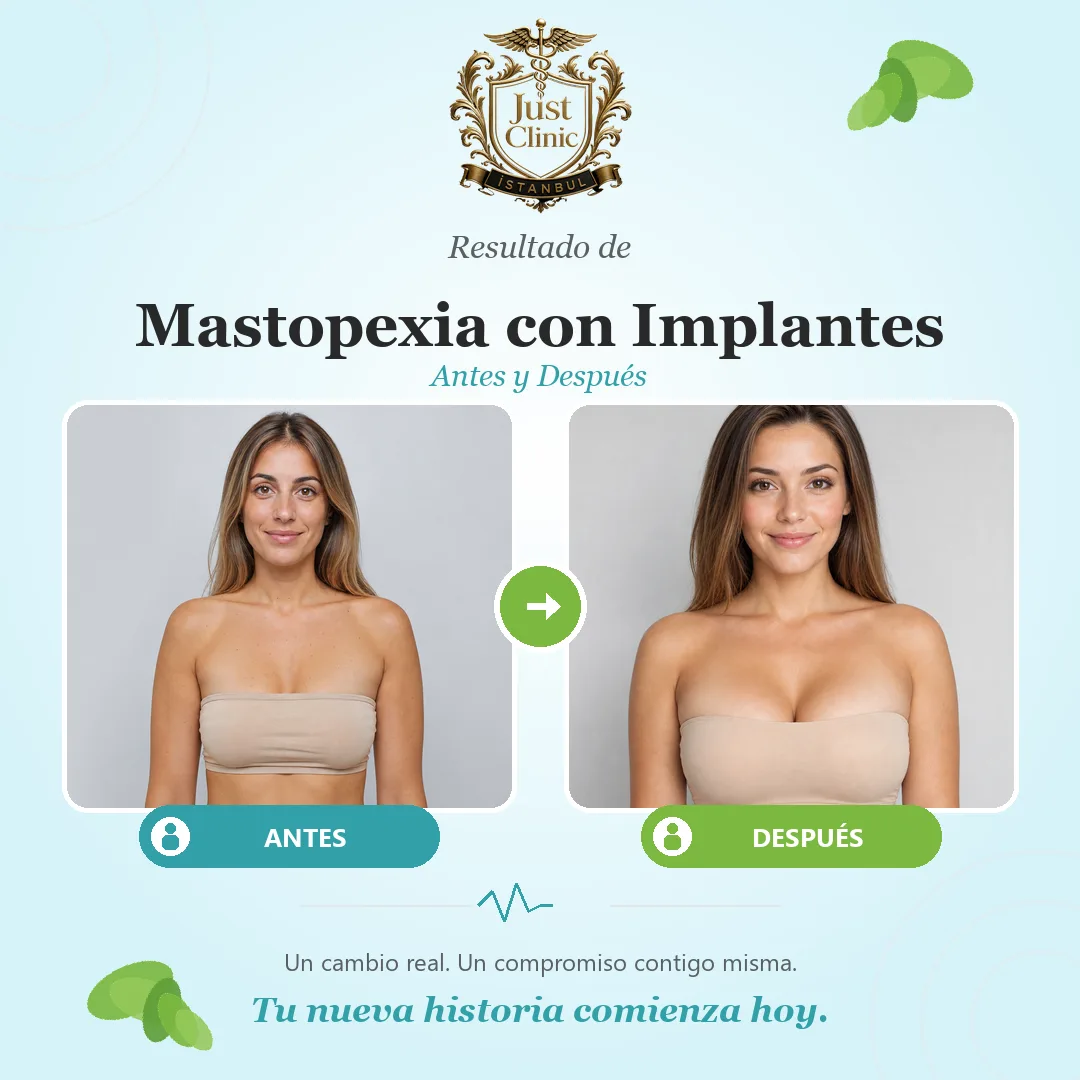
Choosing breast surgery starts with the change you want: more volume, a higher position, a smaller breast, or a correction after earlier surgery. The right comparison therefore covers the specific operation, the surgeon who will perform it, the facility, written price scope and the plan for follow-up at home. Just Clinic Istanbul is an independent marketing and lead-generation platform, not a healthcare provider or medical tourism intermediary. Enquiries may be shared with authorised healthcare partners with your consent. We can help identify and compare available options according to the treatment being researched, expected service level and budget; independent providers decide clinical suitability and treatment.
What should I compare when considering breast surgery in Turkey?
Compare like with like: augmentation, lift, lift with implants, reduction, implant replacement and revision solve different problems and have different recovery and long-term considerations. Ask who will assess you, who will operate, where surgery takes place, what is included in the quote and who answers a complication question after you return.
Check the surgeon's current registration and relevant specialist qualifications with the appropriate Turkish authority, then confirm the named surgeon will carry out the operation. Independently verify the facility's authorisation, anaesthesia team, overnight capability and emergency transfer arrangements. Use the hospitals and healthcare providers in Istanbul directory to begin a shortlist, then verify the named clinician, exact procedure, operating facility and follow-up directly. It is not a ranking or evidence of clinical superiority.
Is Turkey a reasonable option for my breast surgery?
Turkey may be a reasonable option for some people if they can verify the operating team and facility, take enough time for the planned operation and early reviews, and arrange follow-up after returning home. It may be a poor fit if the decision is rushed, the plan depends on an unconfirmed technique, or no one can explain who will assess a complication locally. Compare the practical burden of travel with having the same operation closer to home.
Before paying a deposit, ask the surgeon and your usual clinician how your health, travel, recovery support and access to later implant monitoring affect the decision. The CDC advises medical travellers to discuss risks, complication plans, records and travel with healthcare professionals; its guidance does not establish that any particular destination or provider is suitable. CDC Yellow Book: medical tourism.
How will a provider assess whether I am a candidate for breast surgery?
Candidacy depends on the intended change, breast and skin anatomy, health history, medicines, nicotine exposure, prior procedures and your expectations. A clinician should ask about pregnancy and breastfeeding plans where relevant, examine you, explain alternatives and identify reasons to delay, stage or decline surgery. A photograph or online form can start a conversation but cannot settle the plan.
Ask which findings would change the operation and whether any symptoms or new breast changes need assessment before cosmetic planning. For implants, suitability also includes understanding device risks and long-term monitoring; for a lift or reduction, discuss scars, sensation and future breastfeeding. The final decision belongs to the independent treating provider after an appropriate assessment.
How much does breast surgery cost in Turkey?
There is no useful single breast-surgery price: an implant operation, skin lift, reduction and complex revision have different scopes. Compare each proposed operation against its own current reference and request a named, itemised quote. The current service references are shown below.
Swipe across the table to compare every column.
| Guide and procedure | Planning range | Scope to compare |
|---|---|---|
| Breast lift | €2,800–€4,800 | The procedure in the linked guide; confirm anaesthesia, facility, travel items and follow-up inclusions in writing. |
| Breast augmentation | €2,900–€4,800 | The procedure in the linked guide; confirm anaesthesia, facility, travel items and follow-up inclusions in writing. |
| Breast lift with implants | €4,000–€6,500 | The procedure in the linked guide; confirm anaesthesia, facility, travel items and follow-up inclusions in writing. |
| Breast reduction surgery in Turkey: cost guide | €3,500–€5,500 | The procedure in the linked guide; confirm anaesthesia, facility, travel items and follow-up inclusions in writing. |
| Breast implant replacement in Turkey: cost guide | €3,000–€4,500 | The procedure in the linked guide; confirm anaesthesia, facility, travel items and follow-up inclusions in writing. |
| Breast revision surgery in Turkey: cost guide | €3,200–€4,200 | The procedure in the linked guide; confirm anaesthesia, facility, travel items and follow-up inclusions in writing. |
These figures come from the current linked Just Clinic guides. They are planning references, not individual provider quotations, quality scores or a combined branch average. Compare the same clinical stages and written inclusions; accommodation and transfers belong in the quote only when expressly included by the independent provider.
Confirm whether the fee includes surgeon and anaesthesia fees, hospital and overnight care, tests, implant/device costs, garments, medicines, scheduled reviews and treatment of a complication. Ask what is excluded, how the quoted plan changes after examination and what any extra operation would cost. See the individual augmentation cost guide, breast lift guide, lift with implants guide, reduction guide, implant replacement guide and revision guide for the procedure-specific detail.
Should breast surgery take place in a hospital or a specialist clinic?
The word “clinic” alone does not tell you whether it is an outpatient consultation site, an operating facility or a hospital. Ask for the exact address where surgery and recovery will occur, the facility’s authorisation for the planned operation, who provides anaesthesia, whether overnight observation is available and how emergency transfer is arranged. Confirm who will be physically present during surgery and who reviews you before discharge.
A hospital setting does not by itself prove that a particular surgeon or breast service is suitable; a specialist clinic may also work within a separately authorised operating facility. Verify the setting and the responsible team for your own procedure, then compare them on the same basis.
Why do breast surgery quotes differ between providers?
Differences can reflect the operation itself, surgeon involvement, implant/device choice, hospital setting, anaesthesia, overnight observation, tests and the aftercare included. A low headline figure may omit a lift, capsule work, imaging, extra nights or treatment of complications, while a higher figure does not prove better care or a better result.
Swipe across the table to compare every column.
| Provider profile | Planning reference | What a difference might reflect |
|---|---|---|
| Premium hospital setting | The upper end of the specific procedure’s own range — an upper-range budget scenario | Facility resources, named team, device or implant, clinical complexity and documented follow-up; confirm each item. |
| Established private hospital or specialist clinic | Compare within the same procedure and stage; no branch-wide midpoint | A different service scope or operating model; price does not establish clinician experience or suitability. |
| Value-focused provider | The lower end of the same procedure’s own range — a lower-range budget scenario | Lean service scope, travel exclusions or other commercial differences; check clinical responsibility and extra costs. |
The procedures in this branch do not share one clinically meaningful price range. Apply these budgeting scenarios separately to each relevant procedure; do not average different operations, devices, eyes, jaws or treatment stages.
These are comparison scenarios, not evidence that a particular provider type charges a particular amount. A higher price does not guarantee a better result, and a lower price does not automatically indicate lower medical quality.
These are planning references for comparing quotes, not verified prices for named hospitals or an assessment of quality. A midpoint, where displayed, is only the midpoint of the current planning range and is not an official market average for a provider category. Check that each quote covers the same operation and exclusions.
What are the best breast surgery hospitals or clinics in Turkey?
There is no universal best hospital or clinic for every breast operation. Build a shortlist around the surgeon's relevant experience with your exact procedure, the facility where it will happen, clear consent and a documented follow-up plan. Ask to see comparable cases at a similar stage of healing, not only selected early photographs.
Use the provider directory as a place to begin that comparison, then verify the operating surgeon, current credentials, exact procedure, facility and who is physically present before and after surgery. Directory presence is not a ranking or evidence of clinical superiority.
What should I check about breast implants before paying a deposit?
Ask for the manufacturer, model, fill, surface, size range and planned implant position in writing, and ask whether you will receive an implant card and a copy of your operative record. The FDA advises discussing benefits, risks and its patient decision checklist; implants need monitoring and are not lifetime devices. Silicone implants can rupture without obvious symptoms, so ask what follow-up imaging is appropriate for your device and circumstances. FDA: things to consider before getting breast implants.
Ask the surgeon to explain capsular contracture, displacement, rupture and the uncommon implant-associated lymphoma risk in a way you understand. New persistent swelling, pain or a change around an implant deserves clinical assessment. Do not assume an implant must be removed or replaced after a fixed number of years; discuss your own device and findings.
What should I clarify about MIA or other marketed “non-surgical” breast augmentation?
Ask what the label means in the exact offer. If a breast implant is placed through an incision, the plan still involves an implant and an access procedure; phrases such as “non-surgical”, “scarless” or “minimally invasive” do not identify the device, incision, anaesthesia, tissue plane or recovery requirements. Request the implant manufacturer and model, the full technique, who performs each step, the facility, applicable patient information and the plan if the intended access cannot be used. Do not assume a branded system or technique is available, approved or used in a particular way at a named provider.
Regulatory decisions are specific to a country, device, handpiece and intended use. A United States FDA clearance or approval does not establish Turkish authorisation or lawful availability; ask the provider to identify the exact device and the relevant Turkish regulatory status. The FDA’s implant materials explain that implants carry ongoing risks and monitoring needs: FDA patient information.
How do I choose between augmentation, a breast lift and a combined operation?
Augmentation adds volume; a lift removes excess skin and repositions the breast and nipple; a combined operation addresses both volume and position. The choice depends on examination, skin and tissue characteristics, breast position and your goals, so photographs alone cannot determine it.
For augmentation, ask how implant dimensions relate to your chest and tissue coverage. For a lift, ask which scar pattern may be needed and how nipple sensation and future breastfeeding could be affected. When both are proposed, ask why one stage is appropriate and when staging would be considered. Explore the augmentation package, lift package and lift-with-implants package; their descriptions do not replace an individual clinical plan.
What is different about breast reduction?
Reduction removes breast tissue and skin and reshapes the breast, usually including repositioning the nipple. Ask what size and shape are realistic for your anatomy, where scars will sit, how sensation may change and whether breastfeeding could be affected. Ask whether removed tissue will be sent for examination and how wound or nipple blood-supply concerns are managed.
Compare a reduction cost reference with the written scope and reduction package details. These pages describe different layers of the decision: cost and inclusion are not a clinical recommendation.
What should I ask about implant replacement or revision surgery?
Bring the implant card, prior operation note, imaging and a clear account of symptoms or the change you want. Ask the surgeon to identify the specific issue—such as rupture, contracture, displacement, asymmetry or a change in preference—and explain whether replacement, removal, capsule surgery, a lift or a limited correction is proposed. Capsule removal is not automatically required for every patient; the reason and added risks should be explained.
Revision often involves scar tissue and a less predictable starting point. Ask what can realistically improve, what may remain and how later surgery would be handled. Read the guides to anatomy-based implant planning, capsular contracture and follow-up, implant replacement questions and revision expectations.
How should I compare breast surgeons, hospitals and reviews?
Confirm the operating surgeon's identity and credentials independently, then ask how often they perform your exact procedure and how they handle problems such as bleeding, infection, wound separation or an implant concern. Check whether a hospital can provide the planned anaesthesia, overnight observation, imaging and urgent review. Ask who will see you at each post-operative appointment.
Reviews can reveal communication, organisation and whether patients describe follow-up, but they cannot verify clinical quality by themselves. Look for procedure-specific and recent accounts across more than one platform, note whether critical feedback receives a substantive response and compare the full healing timeline. Do not treat ratings, follower counts or curated photographs as a substitute for a consultation.
Should I choose an all-inclusive breast surgery package?
A package may make costs and logistics easier to compare when it clearly names the procedure, implant if applicable, facility, accommodation, transfers, reviews and exclusions. Treatment-only arrangements may suit someone organising their own stay or using a different follow-up plan. Neither format establishes quality or medical suitability.
Read the augmentation, lift, reduction and combined lift and implant package pages, then request a current written breakdown. A combined makeover package should specify every breast and abdominal procedure, total operating plan and what happens if one component is not advised after examination.
How should I plan recovery and travel after breast surgery?
Recovery and travel advice varies with the operation, healing, health history and any complication. Ask the treating surgeon for written activity, wound, medication, garment, review and flight guidance that applies to your actual plan. Do not book a non-changeable return around another patient's timeline or a package schedule.
Before travelling, agree who answers urgent questions, where an in-person assessment is available and how records will be shared with a clinician at home. Increasing pain, spreading redness, fever, wound opening, sudden swelling, breathing difficulty or chest pain warrants prompt local medical assessment. The bleeding and early warning guide and recovery pathway review add context.
How do I build a breast surgery shortlist, and can Just Clinic choose for me?
Use a short, consistent comparison sheet: exact procedure; named operating surgeon and verified qualifications; facility and anaesthesia; itemised inclusions and exclusions; comparable cases; follow-up access; and responsibility for complications after return. Ask each provider the same questions and keep copies of consent, implant and operation records.
Just Clinic can help identify and compare available options according to the treatment being researched, expected service level and budget. It cannot determine clinical suitability or select a universally best or safest provider; those decisions and the treatment plan belong to the independent healthcare provider. For additional practical questions, read the augmentation patient guide, lift guide and combined versus staged surgery evidence.
Explore breast surgery options
Use the service-specific price and package pages above to compare scope, then review relevant research and patient guides before speaking with a provider. Related options include the breast surgery price collection and breast surgery packages.