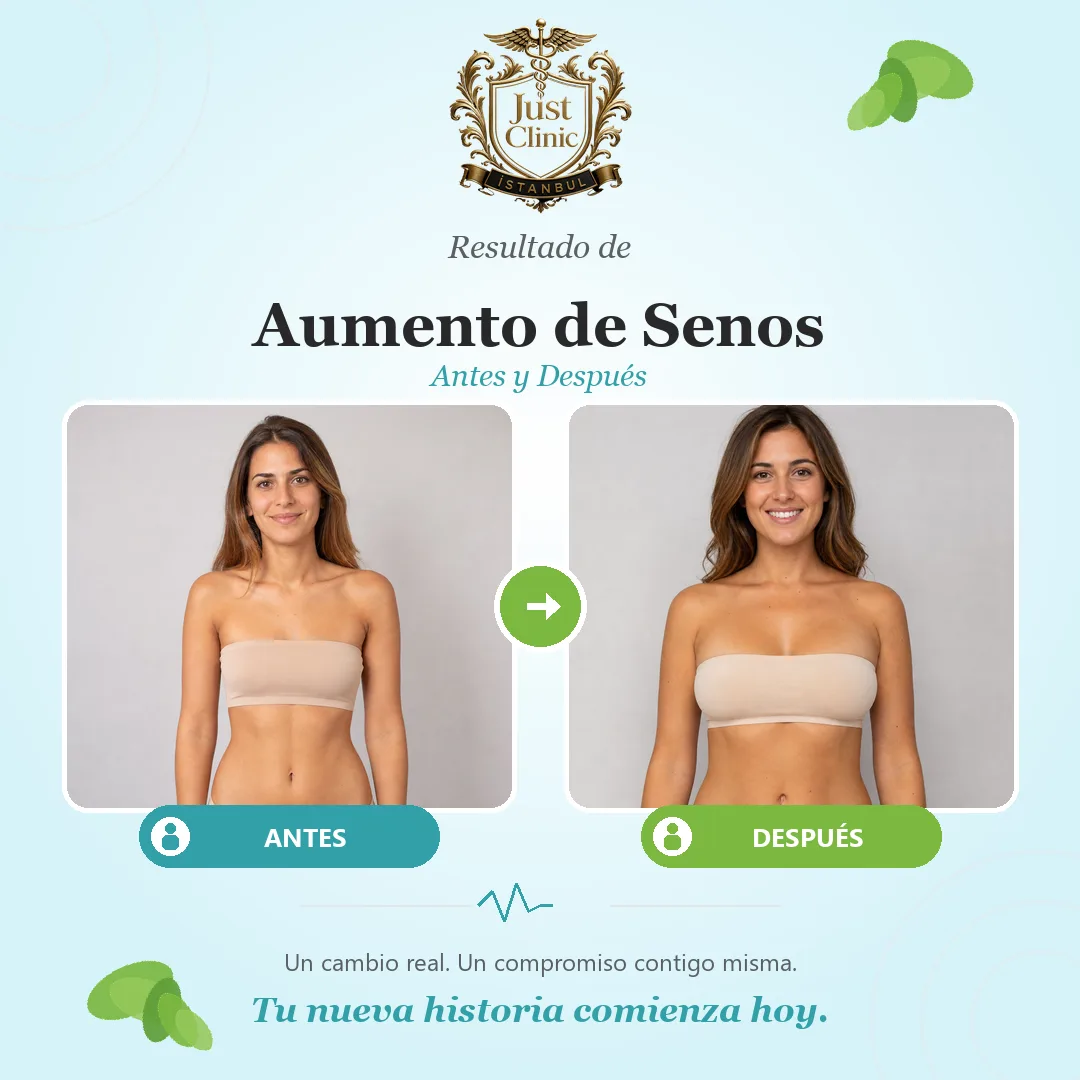





Breast reduction can be life-changing for some patients, but it is still major surgery with permanent trade-offs. It removes breast tissue, fat and skin, then reshapes the breast and repositions the nipple-areola complex in many techniques. People often search for relief from heaviness, neck or shoulder discomfort, skin irritation and clothing difficulty. They also worry about scars, nipple sensation, breastfeeding, wound healing and whether the final size will match the image in their mind.
The direct answer is this: breast reduction should be planned around your anatomy, symptoms, goals, tissue safety and future priorities, not around a guaranteed cup size. Just Clinic Istanbul can help you request written information from authorised healthcare partners with your consent. It is an independent marketing and lead generation platform, not a healthcare provider or medical tourism intermediary.
What breast reduction can and cannot promise
Breast reduction can reduce volume and reshape the breast, but it cannot promise a precise bra size. Cup size varies between brands and countries, and the surgeon must protect blood supply, nipple position, skin closure and proportion. A safe plan may not remove as much tissue as a patient initially imagines if doing so would create unacceptable risk or shape problems.
Ask for the goal in plain language: smaller and lifted, lighter but still proportional, reduced asymmetry, or relief from specific symptoms. A responsible clinician should also tell you what cannot be guaranteed, including perfect symmetry, scar quality, nipple sensation and future breastfeeding.
Which scar pattern might be used?
Common scar patterns include a scar around the areola, a vertical scar from areola to breast crease, and sometimes a horizontal scar in the fold, often called an anchor or inverted-T pattern. The pattern depends on breast size, skin excess, nipple position, tissue quality and how much reshaping is needed. A larger reduction often needs a more extensive scar pattern.
The direct answer is this: breast reduction scars are permanent, although they usually mature and change over time. They can remain red, raised, wide, dark, pale or sensitive. Scar outcome is affected by genetics, skin tone, tension, smoking or nicotine, wound healing, infection and aftercare. Ask where the scars will sit in relation to bras and swimwear, and how long scar care may continue.
Will nipple sensation change?
Nipple and breast sensation can change after reduction. Some people notice numbness, hypersensitivity or altered sensation that improves over time. For others, changes can be long lasting or permanent. The risk depends on technique, amount of tissue removed, starting breast size, blood supply and individual healing.
If nipple sensation is a high priority for you, say so before consent. It may affect the discussion of technique and size goals. No ethical provider should guarantee sensation preservation, especially in larger reductions or revision cases.
Can you breastfeed after breast reduction?
Some people can breastfeed after breast reduction, and some cannot produce enough milk or transfer milk effectively. The ability depends on how much glandular tissue remains, whether milk ducts and nerves are preserved, the technique used, previous breastfeeding history, future pregnancy factors and individual biology. A person may also need lactation support even if surgery preserved a favourable anatomy.
The direct answer is this: breast reduction may reduce breastfeeding ability, and no technique can guarantee future breastfeeding. If you definitely hope to breastfeed later, discuss whether delaying surgery, choosing a more conservative reduction, or documenting your priority changes the plan. If surgery is medically or emotionally important now, the decision can still be valid, but it should be informed.
What is recovery really like?
Recovery is more than the first week. Bruising, swelling, tightness, fatigue and wound care are expected early. The breasts can sit high, feel firm or look uneven while swelling settles. Incision junctions, especially where vertical and fold scars meet, may heal more slowly in some patients. A support bra is commonly used when advised by the treating team.
Desk work may resume earlier than lifting children, carrying luggage, sleeping on the front, gym training or swimming. Driving depends on pain, arm movement, medication and the clinician's advice. Heavy lifting and upper-body exercise need clearance. Scars mature over many months, not days.
What can go wrong?
Risks include bleeding, haematoma, infection, wound separation, delayed healing, fat necrosis, asymmetry, changes in nipple or breast sensation, partial or rare serious nipple-areola blood-supply problems, visible scarring, inability or difficulty breastfeeding, persistent pain, anaesthesia risks and possible revision. Smokers and nicotine users often face higher wound-healing risk, so disclosure matters.
Seek urgent medical advice for chest pain, shortness of breath, heavy bleeding, fainting, fever, spreading redness, severe one-sided swelling, foul discharge, blackening skin or nipple colour changes, or wound opening. These warning signs should be explained in your discharge instructions before you travel.
How should you plan travel and flight timing?
Travelling for breast reduction adds practical questions. How many days should you stay near the surgical team? Who checks the wounds before departure? What if a dressing needs changing? What happens if a small wound opens after you return home? Can you carry luggage? What documents should you show a doctor at home if needed?
There is no universal safe flight day. The treating clinician should clear travel after examining you. Long-haul flights can involve immobility, swelling, dehydration and lifting, so ask about walking, hydration, support garments and urgent-care planning. Arrange help with bags and home tasks before surgery, not after you feel tired and sore.
What should the written quote include?
A breast reduction quote should state the clinician and facility, planned technique, anaesthesia, expected reviews, support bra, medicines, dressings, pathology or tissue handling if applicable, accommodation and transfers only if included, exclusions, cancellation terms and after-hours contact. It should also clarify whether revisions, scar treatments or delayed wound care are included or separate.
Do not compare quotations that do not describe the same thing. A reduction with extensive reshaping, medical tests, pathology and follow-up is not the same scope as a vague "breast package". The better question is not only "how much is it?" but "what exactly is being planned and who is responsible if healing needs attention?"
How do you decide if now is the right time?
Think about weight stability, pregnancy plans, breastfeeding priorities, work leave, childcare, support at home and your tolerance for scars. If your breasts cause daily discomfort, surgery may feel urgent; if future breastfeeding is a major priority, timing may need deeper thought. A good consultation should leave space for both physical symptoms and future-life questions.
The right decision is not the fastest booking. It is the decision made after you understand the likely benefit, the visible trade-offs, the recovery burden and the uncertainties that no surgeon can remove.
Related guides: Price guide: Breast reduction surgery cost in Turkey September 2026 Academic research: Limiting Bleeding in Breast Augmentation: Haemostasis and Early Warning Signs