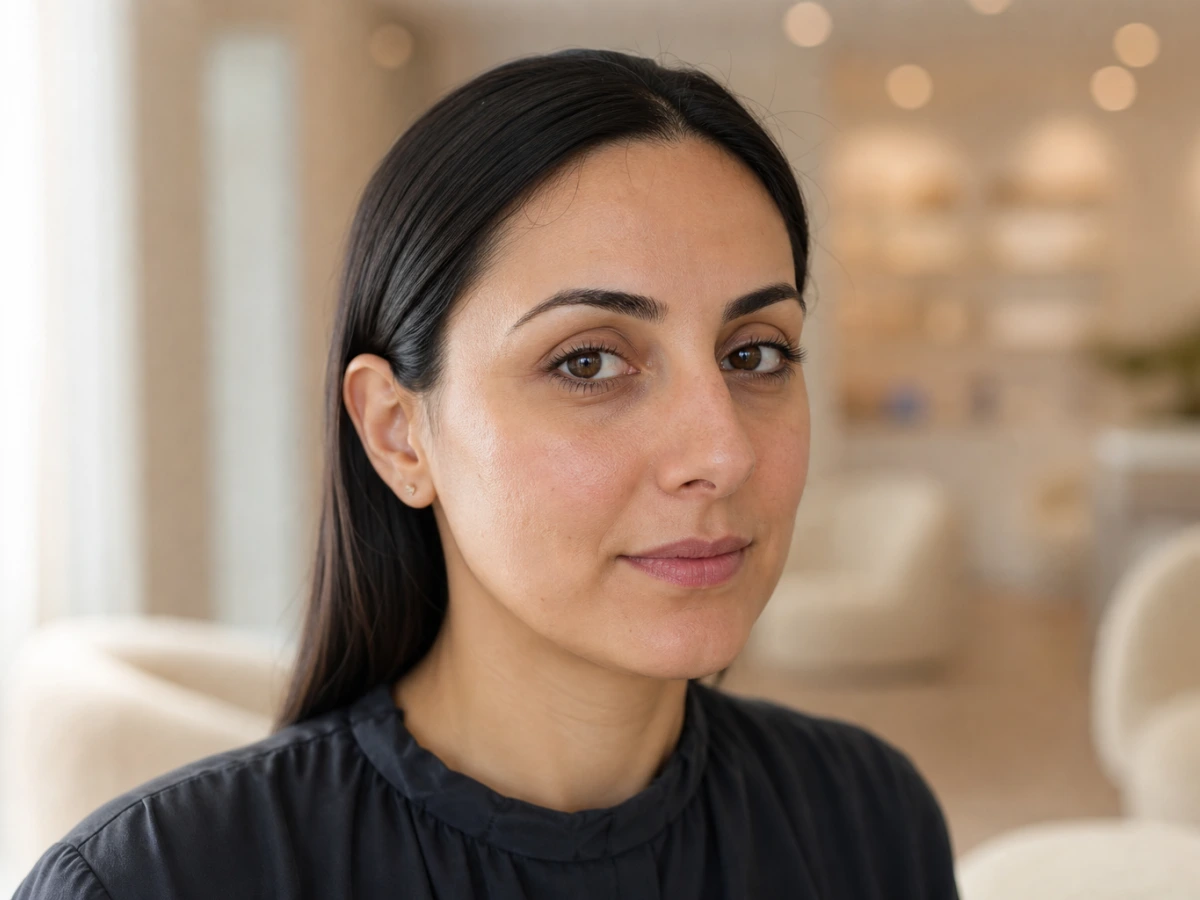
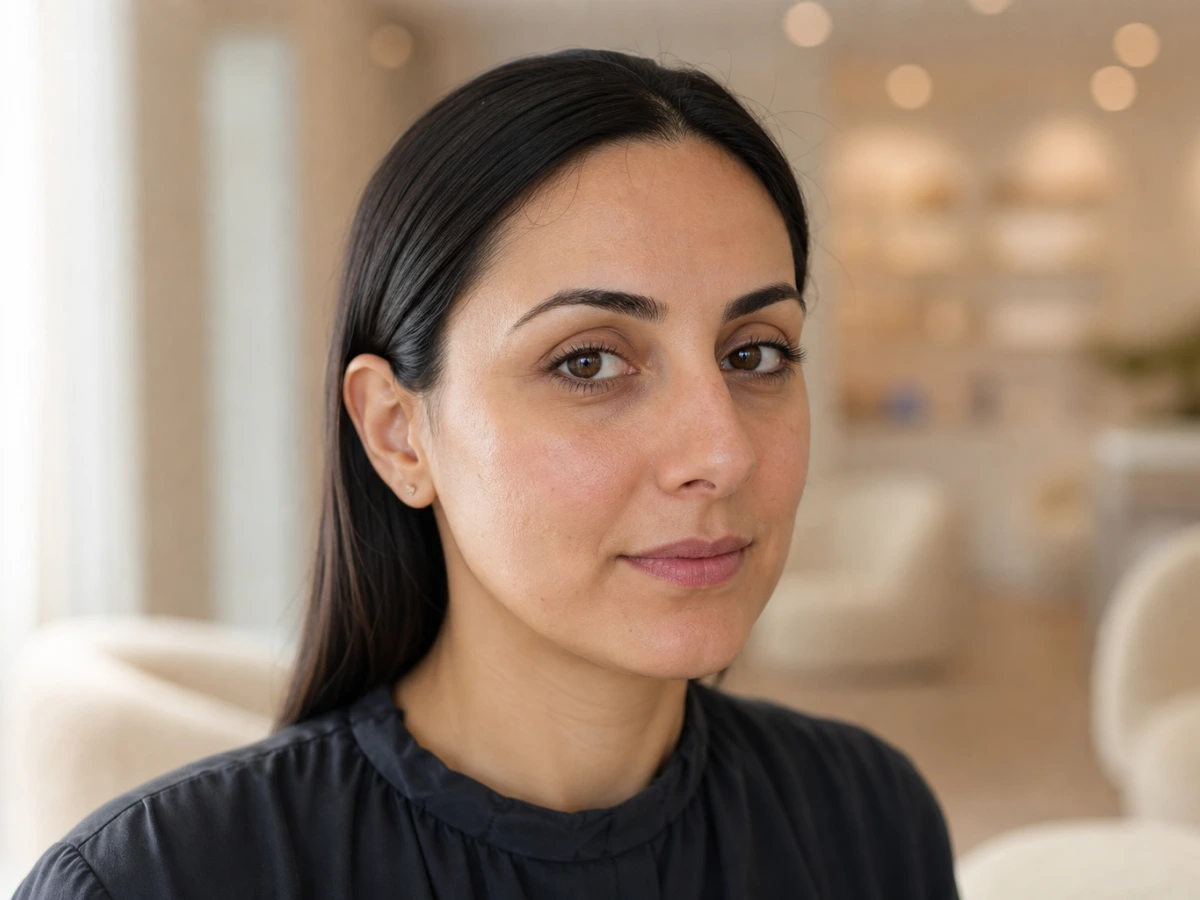
Package prices for Rhinoplasty in Turkey are typically 2,800 – 5,800 EUR, depending on the surgical plan, hospital standards, surgeon experience and included services.
Indicative cost
Procedure
Indicative range (EUR)
Rhinoplasty types, techniques and cost in Turkey September 2026
Written by Just Clinic Istanbul teamPublished on 31 Aug. 2026Medically reviewed on 31 Aug. 202614 min read
2,800 – 5,800 EUR
Rhinoplasty cost in Turkey
As of September 2026, the rhinoplasty Turkey price on this page is 2,800–5,800 EUR for a primary all-inclusive operation. Revision rhinoplasty is priced separately at 5,000–7,000 EUR. Treat advertised “from” figures with caution; you pay the written breakdown.
Each month, Just Clinic Istanbul collects current prices / costs for rhinoplasty procedures from 30 hospitals randomly selected from our partner network, listed on our Hospitals page. We compare equivalent treatment plans and publish the lowest and highest reported prices as a minimum–maximum range. They are a neutral, objective reference, not the price of a single hospital or clinic and not a personal offer from Just Clinic Istanbul.
The usual question — how much does a nose job cost in Turkey — is answered by the written quote. Some listings still show a lower rhinoplasty Turkey cost — ads from 2,200–2,700 EUR, or, at the other end, close to 6,500 EUR. Those ads almost always cover a different scope. Just Clinic Istanbul does not cut its range to match the cheapest advert. A septorhinoplasty Turkey cost sits in the 3,400–5,500 EUR band when breathing work is in the same plan.
Rhinoplasty cost compared by country
Type
Turkey
UK
USA
Thailand
Primary rhinoplasty
2,800 – 5,800
5,000 – 9,500
7,500 – 14,000
2,400 – 5,200
Ultrasonic rhinoplasty (piezo)
Within the primary range
Usually quoted in the private range
Usually quoted in the private range
Varies by hospital
Male rhinoplasty
Same breakdown as primary
Same breakdown as primary
Same breakdown as primary
Same breakdown as primary
Revision rhinoplasty
5,000 – 7,000
Usually above primary
Often 10,000 – 18,000
Usually above the local primary
For a country-to-country comparison to mean anything, you have to match the same operation, the same hotel nights and who pays the flights. A private quote in the UK is typically surgery alone, often in a band comparable to 5,000–9,500 EUR, quoted in pounds, without hotel, because you are already at home. Use the written breakdown rather than an advertised “from” price.
Rhinoplasty is surgery to change the shape of the nose — and, when needed, to improve how it breathes. In everyday UK speech it is a nose job: the hump, the tip, the width or a crooked bridge can all be part of the plan. It is not a filler procedure, and it is not a millimetre-perfect guarantee.
With your consent, an enquiry may be shared with an authorised healthcare partner. The named provider on your written plan is responsible for the clinical assessment and surgery. For general recovery information, read our blog article on recovery after a nose job in Turkey.
Who is rhinoplasty for?
Surgeons usually consider adults whose facial growth has finished, who are bothered by the shape of the nose or by a blocked airway that a septal correction can address in the same operation, and who are well enough for a general anaesthetic. Typical situations include a dorsal hump, a drooping or bulbous tip, a crooked bridge after injury, or previous surgery that needs revision. Cosmetic rhinoplasty is not routinely NHS-funded.
The operation is often postponed if growth is not finished, if you smoke and the team has asked you to stop, or if a long-term condition makes healing less safe. None of this is a promise that you are suitable. That decision is made after photographs, your history and a personal medical assessment.
What the operation aims to do
The realistic aims are a nose that sits in better balance with the rest of the face, and — if the septum is part of the plan — a clearer airway. The result is not the same on every face. Swelling hides the shape for weeks; the look you see after the splint comes off is not the final one. No clinic can guarantee a particular profile in millimetres. A further injury can change the result.
Techniques used
The surgeon chooses the approach from your nose, not from a package name. Open and closed are not two different price lists for the same work.
Closed rhinoplasty: incisions inside the nostrils. Often used when the change is more limited. Guide band 2,800–4,200 EUR.
Open rhinoplasty: a small step across the columella as well, so the surgeon can see the tip and the middle vault more clearly. Guide band 3,200–5,800 EUR.
Septorhinoplasty: the cosmetic change plus work on the septum when breathing is part of the problem. Guide band 3,400–5,500 EUR.
Ultrasonic (piezo): a tool for the bone, not a separate operation. It sits inside the primary range. There is no published fixed surcharge, and it is not a promise of fewer bruises.
Preservation (dorsal preservation) rhinoplasty: when suitable, the surgeon may reshape the nasal bridge while preserving selected dorsal structures rather than routinely removing and rebuilding them. It is a planning approach, not a separate price list or a guarantee of a particular result, and it sits within the primary range.
Tip-only work still follows the same breakdown; it is not a “mini price”. Male rhinoplasty uses the same tariff — the plan (dorsum, angle, skin) changes, not the list. We do not publish a separate tariff for ethnic rhinoplasty or for liquid rhinoplasty (fillers). Those are different plans. Revision work is quoted in its own band because cartilage and skin have already been operated on.
Rhinoplasty types and techniques that can affect the quote
Most patients use one word — rhinoplasty — but the written plan can involve several different decisions. For searchers comparing rhinoplasty Turkey cost, the more useful question is not only “open or closed?” It is whether the plan is a first operation, whether breathing work is included, how much tip or bone work is needed, whether the skin is thick, and whether the nose has already been operated on.
Common rhinoplasty types and how they affect a written quote
Type or technique
What it means
How it may affect cost
Where to read next
Primary rhinoplasty
A first surgical nose job, usually planned around the bridge, tip, width or facial balance.
This page’s 2,800–5,800 EUR range is for primary plans after assessment.
Stay on this guide.
Open rhinoplasty
A small incision across the columella gives the surgeon more direct access to the tip and middle vault.
Often used for more detailed tip or structural work, so theatre time and planning can be higher.
Compare with the closed approach below.
Closed rhinoplasty
Incisions are inside the nostrils; it is often chosen when the correction is more limited.
It may sit lower in the primary range, but only if the nose is suitable for a closed plan.
A primary rhinoplasty starts with tissues that have not previously been reshaped by nose surgery. A revision rhinoplasty starts with scar tissue, changed cartilage support and a previous result that may have altered the anatomy. That is why a revision quote is not simply the primary price plus a small supplement.
If your nose has already been operated on, the safer pricing path is to start with the revision rhinoplasty cost guide. If this would be your first operation, stay on this page and ask whether the written plan is open, closed, septorhinoplasty, piezo-assisted or tip-focused.
Cost factors to confirm before asking for a rhinoplasty quote
First operation or revision: previous surgery usually moves the case to a separate revision pathway.
Breathing symptoms: septal deviation, nasal valve collapse or turbinate problems may need separate assessment.
Tip work: bulbous, drooping, asymmetric or weak tips can require cartilage reshaping or support.
Bridge work: dorsal hump reduction, crooked bridge correction or bone narrowing may change technique and time.
Skin thickness: thick skin can affect definition and the recovery timeline.
Alar base or nostril work: nostril width or asymmetry should be itemised if it is part of the plan.
Combination surgery: chin surgery, eyelid surgery or dental work should not be assumed inside a rhinoplasty price.
Clinical tests, medication and follow-up as stated in the written plan.
Questions to ask before choosing open, closed or piezo rhinoplasty
The technique should follow the assessment, not the other way around. Before paying a deposit, ask which approach is planned, why it suits your nose, whether breathing work is included, whether piezo is actually needed for bone work, what happens if the surgeon finds more complexity during surgery, and who you contact after returning home. For safety context, also read our rhinoplasty safety guide.
How long the operation takes
Theatre time for a primary rhinoplasty is usually 1.5 to 3 hours. Revision or a more intricate plan often takes 2 to 4 hours. Combined functional work adds time. The written plan is the one that counts.
Anaesthetic
Rhinoplasty is done under general anaesthetic. You are asleep for the whole operation. If a different plan is safer given your medical history, the anaesthetic team explains that before the day.
Hospital stay
You usually go home the same day or stay 1 night in hospital. That is not the same as the total time in Istanbul. A splint is fitted before you leave the ward. Packing, if it is used, is the surgeon’s decision on the day — there is no fixed number of days advertised for it.
How long to stay in Istanbul
Plan 5 to 7 days in the city. That window covers the consultation, the operation, the first dressings and the splint coming off around day 7, then clearance to fly. The usual timetable in the quote is: day 0 assessment, day 1 surgery, days 2–6 hotel and check-ups, around day 7 the splint and — if the surgeon is happy — the flight home. The hospital night, if there is one, sits inside those days; it does not replace them. We do not sell a ready-made 7-night package: confirm how many hotel nights are in writing. Discharge is signed by the surgeon — it is not an advertising date.
What to do — and not do — before surgery
What to do
Send photographs and a clear history — previous nose surgery, injury, breathing problems, medicines — so you have a written quote before you book flights.
Book a flexible return. The splint usually comes off around day 7; discharge can wait if the surgeon asks.
Arrange someone to help you in the first days. You will not want to lift heavy bags or wear glasses as you usually do.
Follow the hospital’s fasting instructions on the day. That list comes from the ward, not from a blog.
What not to do
Do not stop or start medicines — including blood-thinners, anti-inflammatories or supplements — on your own. The surgeon and anaesthetic team tell you what to change and when.
Do not smoke if the team has asked you to stop. Smoking raises the risk of poor healing. How long to stop is their instruction.
Do not book a city-break return before the splint is due off. Five to seven days is the protocol here, not a weekend.
Do not treat “the best surgeon” rankings as a medical fact. The name on the quote is what counts.
Recovery
Two timelines matter, and they are not the same.
Daily life and desk work. Many people manage short walks from the first day. The splint usually comes off around day 7. Bruising and swelling in the first one to two weeks are expected. Light, desk-based work is often possible in 1 to 2 weeks, once the surgeon is happy. Glasses and anything that presses on the bridge wait until the team says so.
Full recovery and sport. Strenuous gym work usually waits about four to six weeks. Contact sports and anything that could knock the nose wait longer — often into the third month. The shape keeps settling for 3 to 12 months; the profile you see when the splint comes off is not the final one.
Your own pace depends on the technique, whether it is a revision, your job and how you heal. Follow the written aftercare, not a generic calendar.
Before and after drawings
The drawings below show a dorsal hump and a working profile. They are not a named patient’s photographs, and they are not a guarantee of result.
Profile with a hump. The surgeon decides whether bone or cartilage needs reducing.Working profile. The result takes months to settle; this drawing does not replace your assessment.
The photographs below are illustrative pictures of the associated surgical team in Istanbul. They are not a promise of who will operate; that name is on your written quote.
A surgeon from the associated team. The name of who will operate on you will appear in writing on your quote.A surgeon from the associated team. Ask about accreditations and follow-up, not slogans such as “the best”.
Questions from you
These notes answer questions people raise before they accept a written treatment plan. They describe what that plan should make clear. They are not a promise that any partner hospital uses a particular technique, device or payment arrangement. With your consent, an enquiry may be shared with an authorised healthcare partner.
How will my nasal breathing be examined before surgery?
AAO-HNS guidance asks that nasal blockage be assessed on its own when a change in shape is being discussed. A written examination should separate the contribution of the septum, the inferior turbinates, the internal nasal valve and the external nasal valve. “The septum is bent” does not cover those four. Source: AAO-HNS rhinoplasty guideline.
How will the airway be protected or corrected while the shape changes?
Taking the bridge down too far can narrow the internal valve. Weakening the tip cartilages can spoil both the shape and the breathing. A cosmetic reduction and any valve or septal repair belong in the same written plan, so one is not discovered later as a side effect of the other. Source: AAO-HNS rhinoplasty guideline.
If this is a revision, will earlier records be reviewed, and where would a graft come from?
If septal cartilage has not already been used, it is the first source to look at. When the septum is not enough, ear cartilage is used for the tip and rib cartilage for larger structural support. A rib graft leaves an extra wound and pain. Ear cartilage can change the contour of the ear. A second source should not be chosen until the old note, and where any previous graft was placed, is known. Source: AAO-HNS rhinoplasty guideline.
If I bleed, develop an infection or cannot breathe properly after I fly home, who follows that up and who pays?
The NHS asks people having cosmetic surgery abroad to get in writing where a complication would be reviewed, what further surgery and a return journey would cost, and whether the clinic’s insurance covers the patient. Travel insurance usually does not cover surgical complications. Follow-up after surgery in the UK is the surgeon’s responsibility. A clinic abroad may not offer the same follow-up or a doctor in your own country. The NHS uses 7–10 days after facial surgery as a planning window before flying, because of clot risk. Your own surgeon gives the personal clearance. Bleeding that will not stop, sudden narrowing of the airway, fever and a wound that opens need prompt review. A photograph is not a substitute for examination and endoscopy. This page does not say that any partner pays for revision surgery or the flight. Source: NHS advice on cosmetic surgery abroad.
Can rhinoplasty temporarily affect my sense of smell or taste?
Yes. Nasal swelling and crusting can temporarily reduce smell and taste while the inside of the nose heals; NHS hospital aftercare guidance says this often improves over the following weeks. An altered sense of smell is also listed among possible complications, so persistent, worsening or otherwise concerning changes should be discussed with the surgical team rather than assumed to be routine. Follow the nose-care instructions you were given and do not put anything inside the nose unless advised. NHS nasal surgery aftercare and NHS rhinoplasty guidance.
Why can my nose look uneven while swelling is going down?
Swelling does not always settle evenly, so the nose can look temporarily uneven as healing progresses. The shape seen when the splint comes off is not the final contour; refinement takes months and can continue for up to a year. That does not prove that an irregularity is only swelling, so raise a new or persistent concern at follow-up, and contact the surgeon sooner if you have worsening pain, bleeding, fever or breathing difficulty. ASPS rhinoplasty recovery overview.
How long does tip swelling last after rhinoplasty?
There is no single date when tip swelling disappears. Initial swelling often improves over the first weeks, while the finer nasal contour can take many months to emerge and may continue refining for up to a year. Skin thickness and the operation performed can affect the pace, so the early shape should not be treated as the final result. Keep scheduled reviews and ask the surgeon to assess swelling that is worsening, one-sided with increasing pain, or accompanied by fever or breathing problems. ASPS rhinoplasty recovery guidance.
When can I wear glasses after rhinoplasty?
Wait until your surgical team says glasses can rest on the bridge; there is no safe universal date for every operation. Pressure on the nose can matter while the bones and tissues are healing, and the plan may differ depending on what was done. Ask whether you should use cheek or forehead support and for how long. If you have already worn glasses and notice new pain, a change in shape or breathing, contact the team for advice. UC Davis rhinoplasty aftercare.
When is it too early to judge whether I need revision rhinoplasty?
It is often too early to judge the final shape in the first weeks or months because swelling can hide the result and nasal contour may continue to refine for up to a year. A concern about breathing, healing or a sudden change should still be raised promptly; waiting for swelling to settle is not a reason to ignore symptoms. The surgeon who knows what was changed can review the operation and healing before discussing whether revision is appropriate. ASPS rhinoplasty recovery guidance.
How accurate is a 3D rhinoplasty simulation?
A 3D simulation can help you and the surgeon discuss a goal, but it cannot guarantee the nose you will have after surgery. In one small study of 40 patients, reviewers preferred the actual postoperative result to the simulation in most cases, even though the authors considered simulation useful for communication and planning. Real healing, anatomy and surgical judgement affect the result, and a simulation does not show every functional or recovery issue. Ask the surgeon which parts of the image are achievable aims, what may differ, and how breathing will be assessed separately. Three-dimensional imaging study in rhinoplasty.
How much does rhinoplasty cost in Turkey in 2026?
+
As of September 2026 the rhinoplasty Turkey price on this guide is 2,800–5,800 EUR for a primary all-inclusive operation. Revision rhinoplasty is handled separately at 5,000–7,000 EUR because a previously operated nose may need scar-tissue release, grafts or structural support. The written quote is what you pay.
When can I fly after a nose job?
+
When the surgeon discharges you, usually inside the 5 to 7 days in Istanbul, after the splint comes off around day 7. Book a flexible return.
Are flights included in the package?
+
Flights are usually extra. Check the written quote. Keep the return date flexible until the splint is off.
Does ultrasonic (piezo) rhinoplasty cost extra?
+
Piezo sits inside the overall quote. There is no published fixed surcharge, and it is not a promise of fewer bruises or a different profile.
Does male rhinoplasty cost more?
+
No. There is no second tariff by sex. What changes is the surgical plan — dorsum, angle, skin. If facial growth is not finished, surgery waits.
How does rhinoplasty in Turkey compare with a UK private quote?
+
UK private care is usually surgery alone, often in a band comparable to 5,000–9,500 EUR, quoted in pounds, without hotel. A Turkish package can include hospital, splint and post-operative follow-up arrangements. Compare the same items. Savings are not guaranteed.
Is it safe to have a nose job in Turkey?
+
Safety does not sit in the country’s name. It depends on the hospital, who operates, the anaesthetic team and follow-up once you are home. Check accreditations and the name on the quote. Millimetre-perfect results cannot be guaranteed.
How many types of rhinoplasty are there?
+
Patients usually compare primary, open, closed, septorhinoplasty, ultrasonic or piezo, preservation (dorsal preservation), tip, ethnic, male, thick-skin and revision rhinoplasty. Preservation is a planning approach for suitable anatomy, not a separate price category; these terms describe the plan, technique or anatomy that affects the written quote.
Is open rhinoplasty more expensive than closed rhinoplasty?
+
Open rhinoplasty can sit higher in the range when it is chosen for complex tip, middle-vault or structural work. Closed rhinoplasty can be lower when the correction is limited, but the surgeon decides suitability after assessment.
Is septorhinoplasty included in the rhinoplasty cost?
+
Selected septorhinoplasty plans can sit inside the primary guide range, but the septal work, airway assessment and any extra tests must be named in the written quote. Breathing improvement cannot be guaranteed by a price page.
Does thick skin make rhinoplasty more expensive?
+
Thick skin does not automatically create a separate tariff, but it can change the surgical plan, tip expectations, swelling timeline and follow-up. Those details can influence the final written quote.
Is ethnic rhinoplasty a separate price category?
+
This guide does not use a separate ethnic rhinoplasty tariff. The quote depends on bridge height, skin, cartilage support, breathing, tip goals and whether grafting is needed, while preserving facial identity and realistic expectations.
When is rhinoplasty priced as revision rhinoplasty?
+
If the nose has already had rhinoplasty, the case usually belongs in the revision pathway. Scar tissue, reduced cartilage support, graft planning and previous records can make the operation more complex than a first rhinoplasty.
This content is general information, not personal medical advice or a treatment offer. With your consent, an enquiry may be shared with an authorised independent healthcare partner. The treating provider makes the individual clinical assessment, provides care and issues the written plan.
The reviewer links identify an external professional profile. Editorial medical review does not replace an individual assessment or create a treating-provider relationship. The authorised healthcare provider named in the written plan remains responsible for clinical decisions, care, follow-up and complication management.
Still unsure?
Ask the remaining question on WhatsApp
If the FAQ did not fully answer your question, send a short message and ask for written clarification.
We use necessary technical cookies for the site to function and, with your consent, analytical cookies (Google Analytics 4) to understand how our website is used and improve the experience. You can accept all cookies or reject analytical cookies; in the latter case Google Analytics will not load. See our Cookie Policy for more information.


 Turkey
 UK
 USA
 Thailand