



The bathroom mirror in Brighton
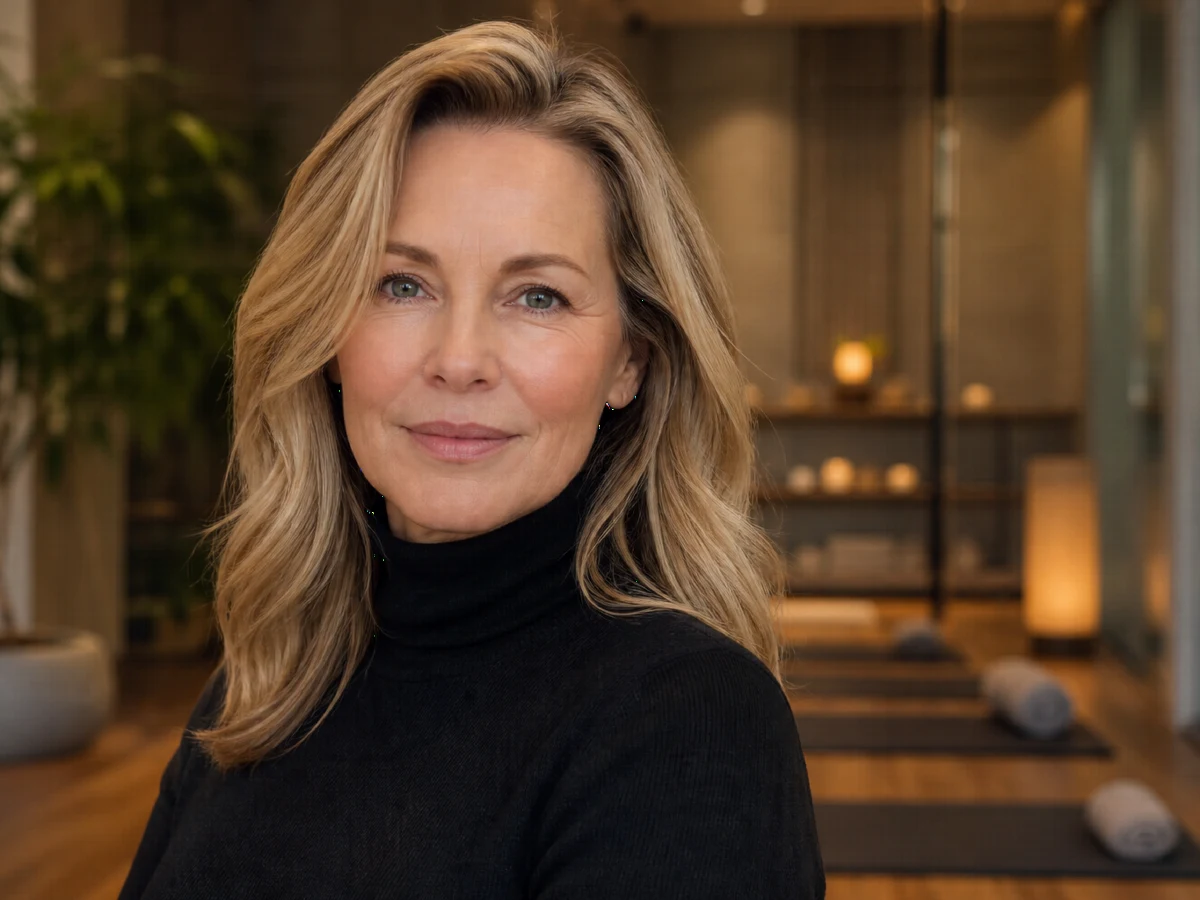
I’m Helen. I’m fifty-one and I live in Brighton. I still walk the seafront before work. Then I’d catch the bathroom mirror and look as if I hadn’t slept in a week. It was the lids — the upper ones on the lashes, and the bags whether I’d had eight hours or three. A woman on the Lanes, someone I barely know, said, “You look exhausted, love.” I wasn’t. Even eyeshadow vanished under that fold before I’d left the house.
I knew what would change it. Eyelid surgery. Blepharoplasty, if you want the proper word. I ran from it because it is the eyes, not a tummy you hide in a jumper. Two quotes in Hove were more than I could get my hands on. I typed is eyelid surgery in Turkey safe? Not is it cheap. Is it safe.
I wanted a clinic name I could put next to a hospital, not a price first. That is how I found Just Clinic Istanbul. I looked up Just Clinic Istanbul blepharoplasty after the first reply. I sent the fears: not closing, hollows, going blind, a hotel with my eyes taped. They answered those before anyone mentioned money. Who looks up blepharoplasty Just Clinic Istanbul wants that, not a slogan.
The first night I could shut them
I’d rather have looked tired for another twenty years than sleep with a gap. I’d read lagophthalmos at midnight and couldn’t unread it. Too much skin off so the photographs look tight, and at night the lids don’t meet.
I said it on the video call, without dressing it up. He said that happens when somebody cuts to a photograph. They would mark me awake, open and closed, and take only the spare fold on the lashes. “We are not tightening the whole lid. The mechanism that closes the eye is left alone.” When the strips came off, and later when the swelling dropped, I shut them tight. I still check some nights, a finger at the lashes. They meet.
The bags, not the hole
I wanted the bags gone. Not that hollow, sick look. Skull eyes, the forums call it. They did not scoop the fat and throw it away. The extra that made the bag was spread into the groove under the eye. The puff went. I did not get skull eyes. When the swelling went down, the step from lid to cheek was smooth, the way it was in my thirties.
Three weeks, then my shape
I have ordinary English eyes. I like them. I did not want a permanent startled look. He said the opening is ligaments and muscle, not the spare skin. They were not going to cut those. Week one I was swollen and shiny and I had a wobble about day four. He’d told me not to judge it yet. By three weeks the shape was my shape. People at work said I looked well, or asked if I’d been away. Nobody said, “What have you done to your eyes?”
Going blind nearly stopped me booking. He did not say it was impossible. Rare, he said, usually a bleed that wasn’t spotted, in a place without a proper hospital. Mine was a real hospital, an anaesthetist in the room, blood pressure on a monitor. Skin and the fat under it. Not the globe. Not the nerve at the back. When I opened my eyes, the room was there. I still have the sight I flew out with.
Drops for three weeks, not for life
I live on the seafront. Wind is not optional. He was honest: while the lids are swollen they don’t blink as well. Drops, and a gel at night. Long-term dryness, he said, is usually the cousin of a lid that doesn’t close. I used the drops for about three weeks, including on the plane. As the swelling came down, my own moisture came back. The seafront in February is still February. My eyes cope the way they used to.
The night on the ward
I asked to stay the night. I was not going to a hotel with both eyes covered, working out my own tablets. I was in Istanbul five or six nights. I flew when he had seen the strips, not because a package said day four. Nurses with ice packs on a schedule. Blood pressure. Painkillers when they were due. In the morning the surgeon who’d operated came himself. Only then the hotel.
Back on the seafront
When I sat down and properly read around eyelid surgery Turkey, I stopped comparing prices and wrote a list. Hospital by name. Who gives the anaesthetic. What happens if a lid needs revising. Two places sent a smiley and a figure. One sent documents and a slot for the awkward questions. I woke up in a proper hospital. I paid less than Hove. I did not pay less for less.
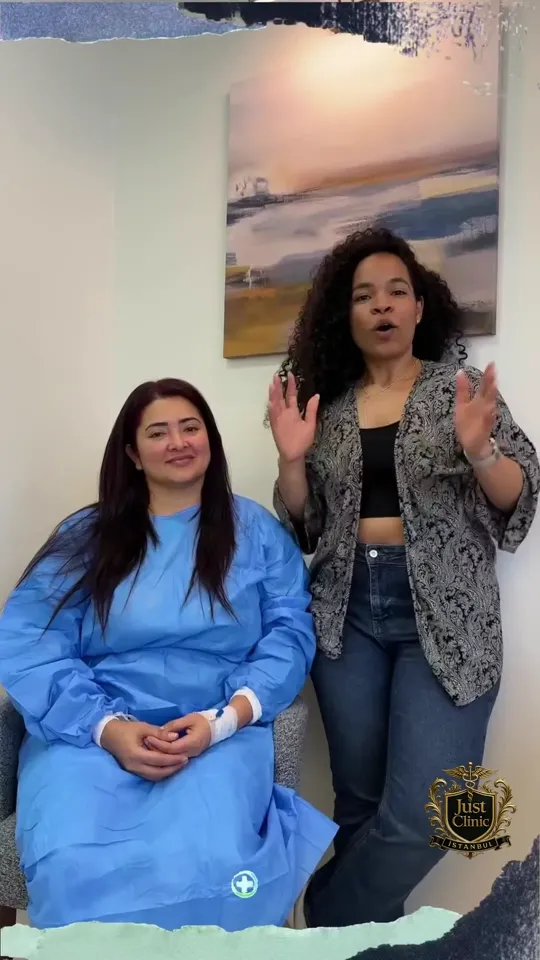
The woman from the clinic who answered my first message was still answering months later. Week two, a sting along the upper line, photographs by the kitchen window. She came back after showing the surgeon: the stitch line settling. Temperature, vision changing, spreading redness — GP or A&E here first, then message her. Not instead of.
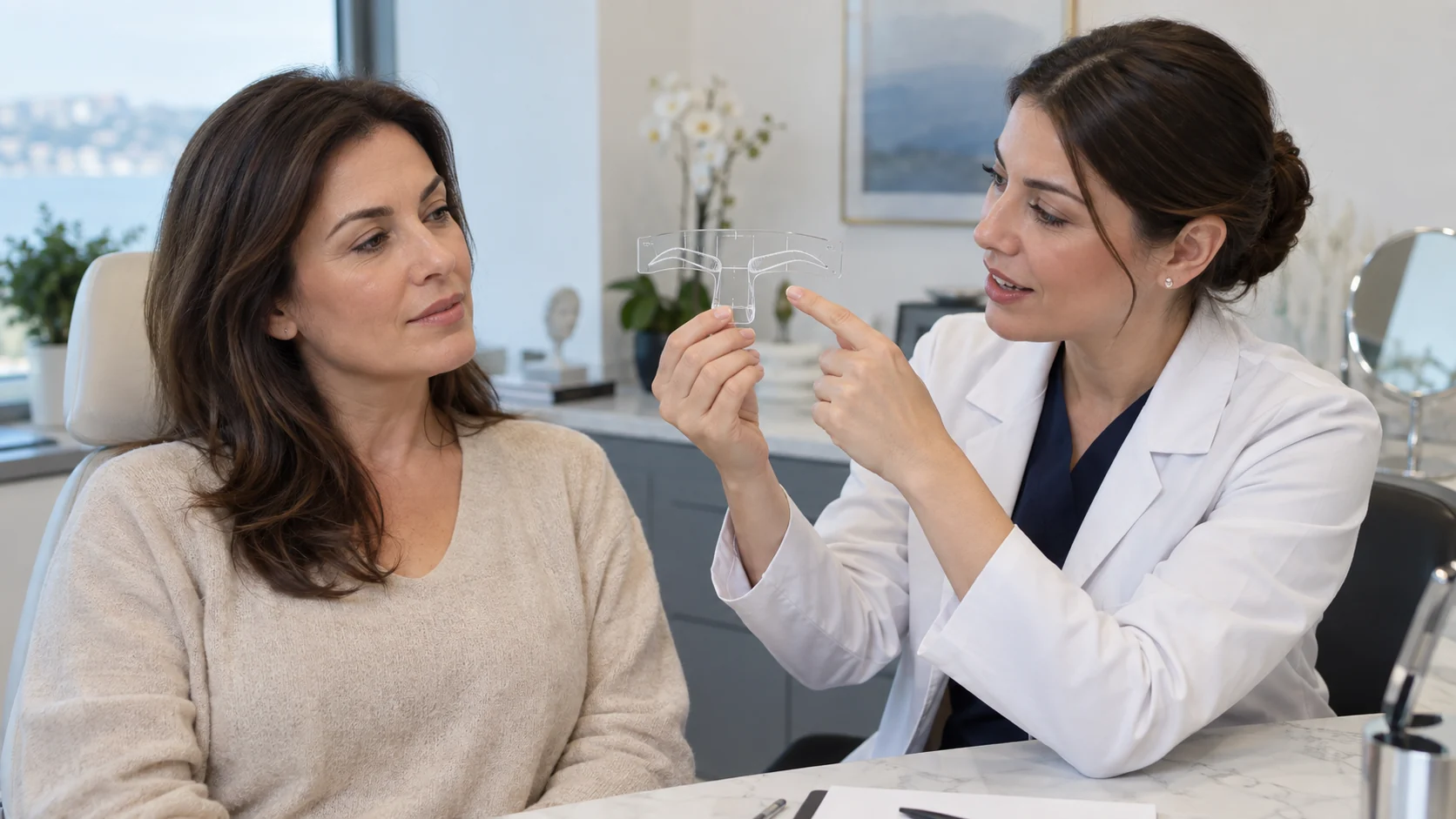
A man at arrivals with my name on a board. Clinic cars after that. I never stood on a pavement with sore eyes squinting at a map. The surgeon marked my lids in front of the mirror, open and closed. I asked him to do the lower ones again so I understood. The woman from the clinic went through the papers with me, in English, line by line. I stopped her twice. She explained again. When I came round, the first voice said my name and that it had gone well.
I asked about the brow, because mine sit a little low. He said the lids were the job. One recovery. If I still wanted to talk about the brow in a year, I could. I flew home having had the operation I booked, at the figure we agreed before I got on the plane. No filler. No extra bill.
They put me through to a woman in Bristol. Upper and lower, ten months before. Day two and three are puffy, she said. Sunglasses home. Button-up tops. The drops even when you feel fine. Then: “My husband thought I’d just had a good night’s sleep. That was the point.” That conversation got me on the plane. Not the photographs.
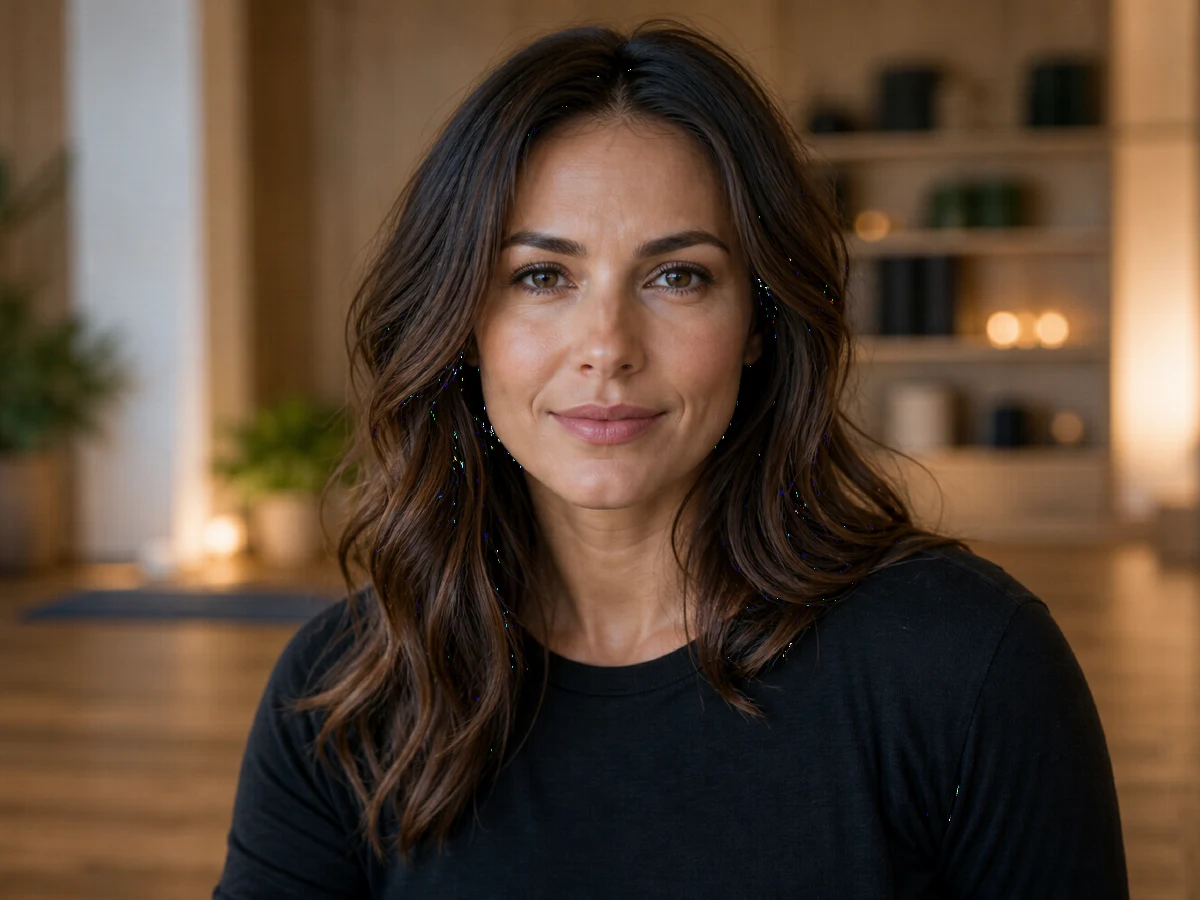
It’s a year on. I still look fifty-one. I look like I sleep. A thin pale line in the upper crease if I lift the lid in the bathroom light; the lower one along the lash line. My hairdresser has never mentioned it. I wear eyeshadow again. That is a small thing and also the whole point.
How we keep our medical content accurate
This content is general information, not personal medical advice or a treatment offer. With your consent, an enquiry may be shared with an authorised independent healthcare partner. The treating provider makes the individual clinical assessment, provides care and issues the written plan.
| Medically reviewed by | Prof. Dr. Halil İbrahim Canter Liv Hospital Vadistanbul Plastic, Reconstructive and Aesthetic Surgery |
|---|---|
| Author | Just Clinic Istanbul Medical Writing Team |
The reviewer links identify an external professional profile. Editorial medical review does not replace an individual assessment or create a treating-provider relationship. The authorised healthcare provider named in the written plan remains responsible for clinical decisions, care, follow-up and complication management.