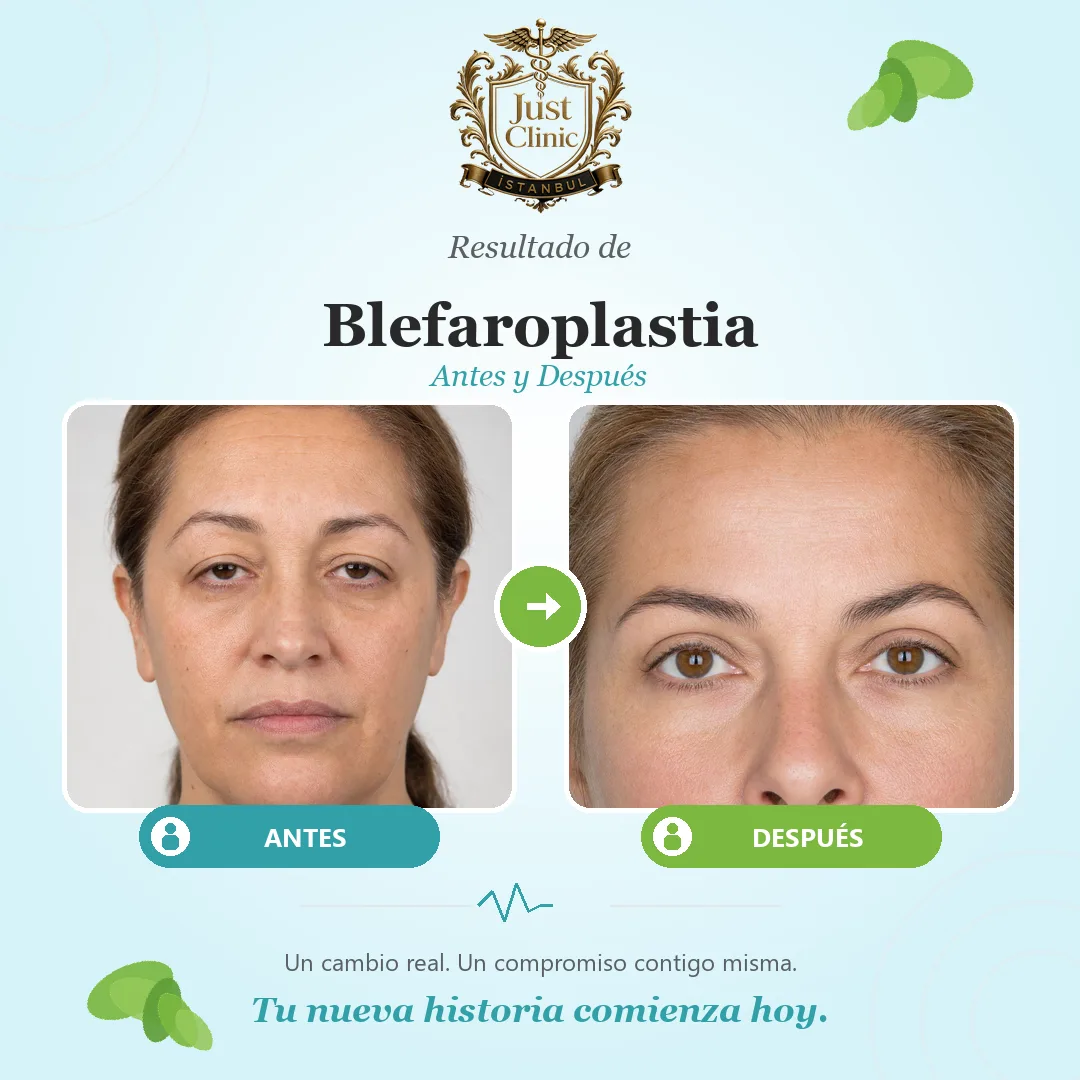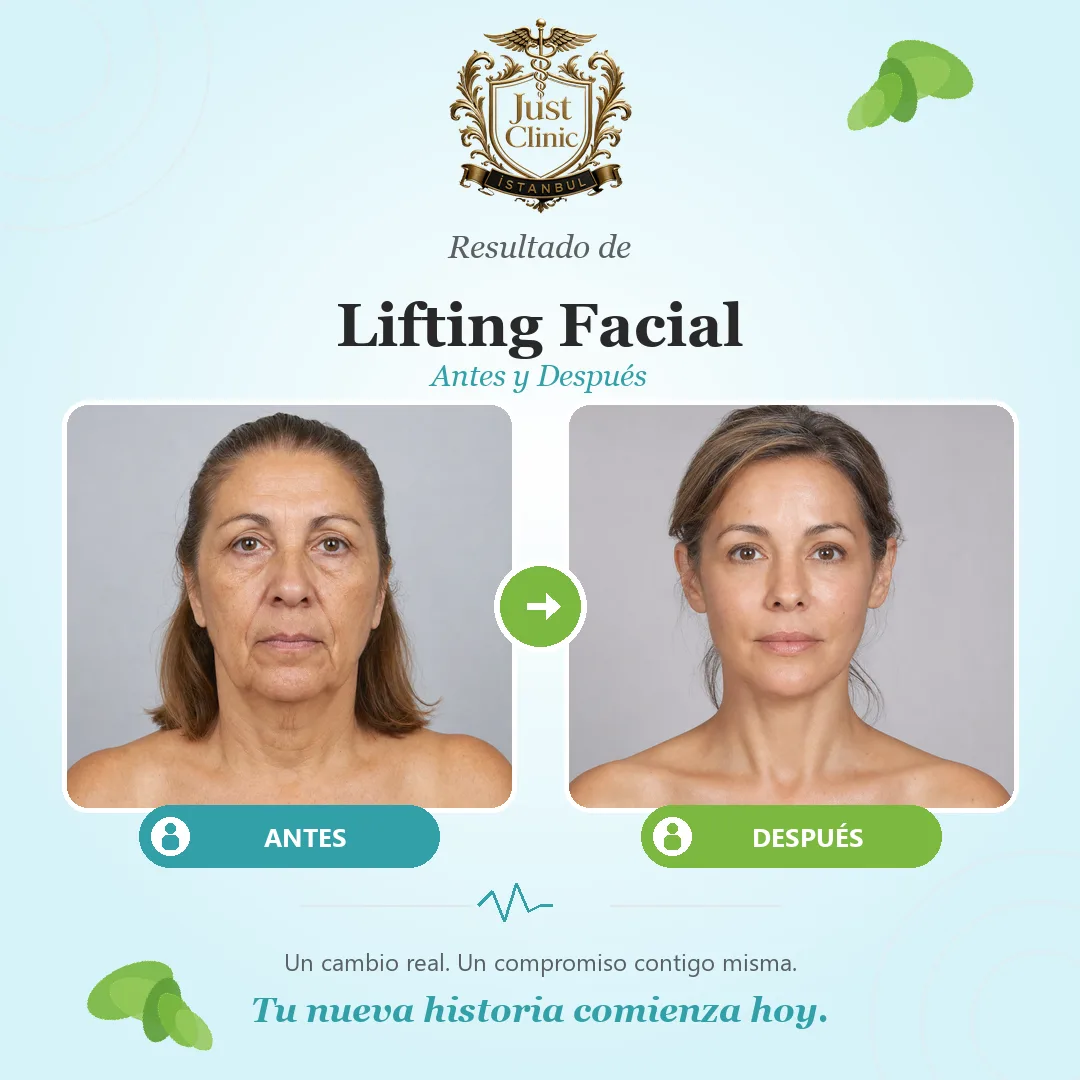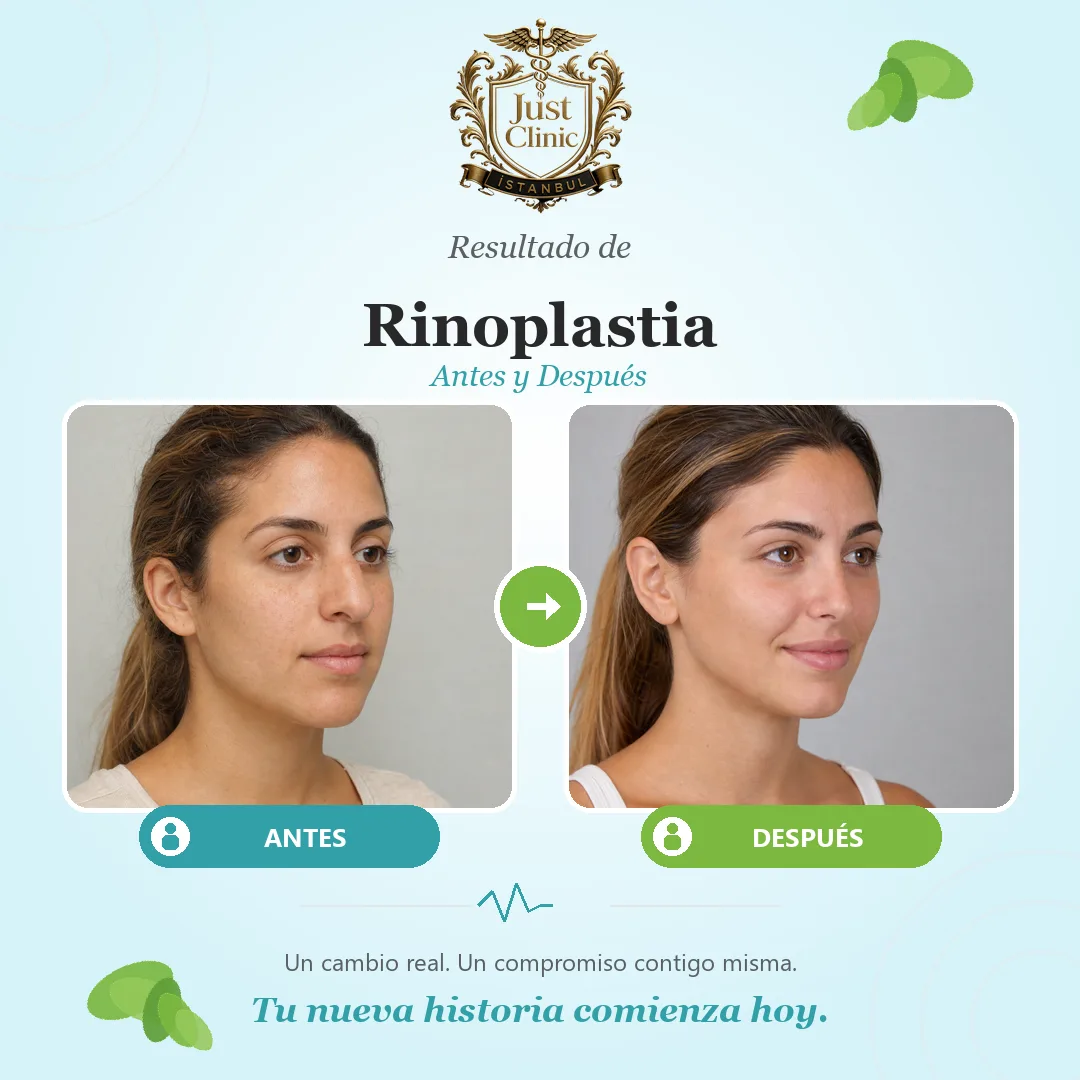





A brow lift is designed to reposition the brow and forehead tissues. It is not automatically the answer to heavy upper eyelids, and it is not interchangeable with eyelid surgery. The first useful question is simple: is the concern caused by brow position, forehead skin, eyelid skin, muscle activity, volume change or a combination? A careful assessment should answer that before any package, technique name or price is discussed.
Is a brow lift the same as eyelid surgery?
No. A brow lift changes the position and support of the brow and upper forehead area, while upper eyelid surgery treats eyelid skin, fat or muscle. The two concerns often overlap because a low brow can make the upper eyelid look heavier, and loose eyelid skin can make the brow work harder. A direct answer is that some patients need brow assessment, some need eyelid assessment and some need both reviewed together.
This distinction matters for safety and expectations. If the real issue is eyelid skin, lifting the brow may leave the eyelid concern mostly unchanged. If the real issue is brow descent, eyelid-only surgery may remove skin without improving the tired or heavy expression. Ask the clinician to show, in plain language, what each proposed step is meant to change.
What makes a brow lift look natural?
A natural brow lift is not measured only by how high the brow sits. It is measured by whether the new brow position fits your face at rest, your expression when you speak, the distance between the brow and eyelid, the hairline, the forehead shape and your existing asymmetry. The direct answer to "will it look natural?" is that naturalness depends on planning, restraint and anatomy; it cannot be guaranteed by the name of a technique.
Patients often worry about looking surprised, tight or different in a way they did not intend. That anxiety is valid. A responsible plan should not chase a fixed millimetre of lift or a social-media reference photo. It should discuss what is realistic for your brow tail, central brow, forehead lines and eyelid relationship. Perfect left-right symmetry should not be promised because most faces are asymmetric before surgery.
Which technique is being discussed?
Common approaches include endoscopic, temporal, hairline, coronal, direct or limited-incision brow lifting, but the right discussion is not a menu of labels. Ask where the incisions would be, which part of the brow is being moved, whether the forehead is also being addressed, and why this approach fits your anatomy. A temporal brow lift, for example, is not the same as a full forehead lift.
The technique affects scar position, swelling pattern, numbness, hairline considerations and recovery. Endoscopic or limited approaches may use smaller scalp incisions, while other techniques may place incisions at or near the hairline or directly above the brow in selected cases. No incision is scar-free. The question is whether the scar position is acceptable for your hair density, hairstyle, skin type and goals.
Where are brow lift scars?
Brow lift scars depend on the planned approach. They may be hidden in the scalp, placed close to the hairline, placed within a forehead crease in selected direct approaches, or positioned laterally in the temple area. A direct answer is that scars are usually planned to be discreet, but they can still be visible, raised, widened, tender or slow to settle in some people.
Ask how the hairline will be protected, whether hair thinning near an incision is possible, how scars are reviewed, and what care is recommended if redness or firmness persists. If you wear your hair pulled back, have a high hairline, have fine hair or have previous hair transplant or scalp surgery, those details should be part of the consent discussion.
How painful is recovery?
Most patients should expect tightness, swelling, bruising, tenderness, pressure or temporary numbness rather than one uniform pain pattern. The direct answer is that discomfort is usually managed with the treating clinician's medication plan, but worsening pain, visual symptoms, fever, increasing one-sided swelling or drainage needs prompt medical advice.
Swelling can involve the forehead, brows and sometimes the upper eyelids or under-eye area. Bruising may travel downward before improving. Temporary altered sensation, itchiness or scalp numbness can feel strange even when healing is progressing. You should receive written instructions for head elevation, wound care, medicines, activity limits and the first review appointment.
How long until I look presentable?
A cautious planning answer is that initial wound healing often takes around the first couple of weeks, while swelling, bruising and incision refinement continue for longer. Some patients feel socially presentable before they feel fully healed. If a brow lift is combined with eyelid surgery, facelift or other facial procedures, downtime can change substantially.
Do not plan important photography, public events or a long flight around a best-case timeline. Ask when clips or stitches are removed if used, when make-up is allowed, when hair washing is safe, when glasses or hats can be worn comfortably, and how much swelling is expected at the point you plan to travel home.
Can I fly after a brow lift?
You should fly only after the treating facility has reviewed you and confirmed that travel is appropriate for your procedure and healing. A direct answer is that there is no universal flight date that is safe for every patient. The plan depends on anaesthesia, swelling, wound condition, blood pressure, medications, whether drains or clips are used and your access to urgent care after returning home.
Before booking, ask who examines you before departure, what warning signs require delaying travel, and how you contact the treating team from abroad. If a quote includes a short stay only, make sure that the stay still allows meaningful follow-up, not just the operation date.
What should a written quotation include?
A brow lift quotation should separate the brow lift from upper eyelid surgery, lower eyelid surgery, facelift, temple lift, fat transfer, botulinum toxin or other additions unless those items are explicitly included. It should name the facility and responsible clinician, anaesthesia, preoperative tests, aftercare, medicines, planned reviews, exclusions, revision policy and urgent-contact route.
Be cautious with language that promises a "fresh", "young" or "fox-eye" result without explaining anatomy and risks. Ask what happens if asymmetry remains, if scars are more visible than expected, or if the brow settles lower over time. Good planning is not pressure; it gives you enough information to pause or decline.
How Just Clinic Istanbul fits into the enquiry
Just Clinic Istanbul is an independent marketing and lead generation platform, not a healthcare provider or medical tourism intermediary. Enquiries may be shared with authorised healthcare partners with your consent. It can help you request a written scope and compare whether answers are clear, but it cannot examine your face, decide whether surgery is suitable, prescribe recovery instructions or guarantee an aesthetic result.
Related guides: Price guide: Brow lift cost in Turkey September 2026