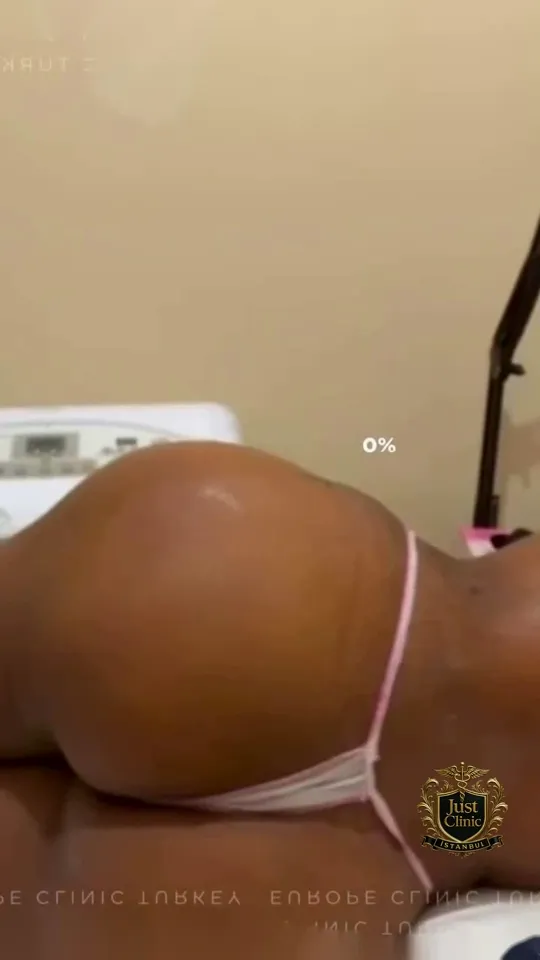
Package prices for J-Plasma in Turkey: cost guide in Turkey are typically 2,500 – 3,200 EUR, depending on the surgical plan, hospital standards, surgeon experience and included services.
Written by Just Clinic Istanbul teamPublished on 05 Sep. 2026Medically reviewed on 05 Sep. 20268 min read
2,500 – 3,200 EUR
J-Plasma cost in Turkey
As of September 2026, the indicative J-Plasma cost in Turkey on this page is 2,500-3,200 EUR per procedure. The range covers the defined J-Plasma or helium-plasma contouring plan; treatment area, anaesthesia, hospital care and any added liposuction or skin surgery are confirmed after assessment.
Each month, Just Clinic Istanbul collects current prices / costs for J-Plasma skin tightening procedures from 30 hospitals randomly selected from our partner network, listed on our Hospitals page. We compare equivalent treatment plans and publish the lowest and highest reported prices as a minimum–maximum range. They are a neutral, objective reference, not the price of a single hospital or clinic and not a personal offer from Just Clinic Istanbul.
The final written quote can change with complexity, technique, anaesthesia, hospital arrangements, tests, medication, accommodation, transfers and follow-up. Anything not named in writing should be treated as outside the price.
With your consent, enquiries may be forwarded to independent healthcare providers or authorised medical tourism organisations.
J-Plasma cost compared by country
Use the country table as editorial orientation only. Ranges can cover different scopes from one country to another; compare the same procedure, inclusions and follow-up in writing before treating any figure as meaningful.
J-Plasma in Turkey: cost guide Average Procedure and Recovery Times
Procedure time
1–3 hours
Hospital Stay
Same day or 1 night
Back to Work
3–10 days
Recovery / result maturation
2–6 weeks
What is J-Plasma?
J-Plasma is a name commonly used for the Renuvion system, which uses radiofrequency energy and helium to create plasma and heat soft tissue. In aesthetic surgery, a surgeon may discuss a subcutaneous application to improve the appearance of lax skin, sometimes after liposuction. The intended use, handpiece, treatment area and local authorisation matter; “J-Plasma” is not a guarantee of skin tightening or a substitute for surgical skin removal.
The guide on this page covers one defined body area. It does not automatically include liposuction, 360 contouring, several body regions or excision of excess skin. The treating hospital or clinic handles appointments and communication; it arranges practical services only where these are included in the written offer. The named surgeon on the quote is responsible for the clinical assessment and device plan. If you are comparing it with fat removal, see our liposuction Turkey price guide.
Who might consider one-area J-Plasma?
A surgeon may discuss an energy-based skin treatment for a patient with mild or moderate laxity in a defined area, particularly when skin quality and the amount of excess tissue make a less extensive plan reasonable. The procedure is not suitable for every body or every degree of laxity. Marked excess skin may require a surgical lift or excision instead.
A consultation should cover your skin quality, previous operations, medicines, smoking status, expectations and the exact area to be treated. The plan may be postponed or changed if you have an active infection, a condition that affects healing, significant loose skin, unrealistic expectations or a medical risk that makes heat-based treatment or anaesthesia less safe. The result is not guaranteed and cannot be predicted from a package name alone.
Device, treatment area and alternatives
One-area treatment: the surgeon defines the body region and the intended depth. The price does not automatically cover the abdomen, arms, thighs and back together.
J-Plasma after liposuction: a surgeon may consider it to address laxity after fat removal, but the liposuction and device use are separate parts of the plan and should be itemised.
Surgical skin removal: a tummy tuck, arm lift or thigh lift removes excess skin and leaves a surgical scar. It may be more appropriate when laxity is substantial.
Other energy devices: radiofrequency, laser and ultrasound systems are not interchangeable. Ask for the exact device, handpiece, intended use and who will operate it.
US FDA information is an important safety reference but is not blanket approval for every aesthetic use or every country. The FDA has described specific clearances for particular Renuvion handpieces and uses, while also warning about certain aesthetic skin procedures. Ask the provider which handpiece is planned, what the intended use is, what training applies and how the device is authorised at the treatment facility.
Operation time, anaesthetic and hospital stay
The duration depends on the body area, treatment extent, whether liposuction is performed at the same time and the anaesthetic plan. There is no safe universal duration to promise online. The surgeon and anaesthetist decide whether local anaesthesia, sedation or general anaesthesia is appropriate for your procedure.
Hospital or day-case arrangements depend on the device use, any accompanying liposuction, your health and the facility’s protocol. Ask the written quote to specify the hospital or clinic, anaesthesia, monitoring, dressings, medication, compression garment and planned follow-up. A short procedure does not remove the need for informed consent and aftercare.
Planning your stay in Istanbul
Arrange your trip around the consultation, treatment, any wound or swelling check and clearance to travel. If J-Plasma is combined with liposuction, the recovery and flight advice is governed by the larger plan. UK NHS guidance advises avoiding flights for 5–7 days after procedures such as liposuction; your surgeon may set a different interval. Flights are separate unless expressly included in the written quote.
Do not treat Istanbul as a post-treatment holiday. Plan loose clothing, help with luggage and a way to contact the clinic after you return. Confirm where follow-up takes place and how complications would be managed before booking.
Preparing for J-Plasma
Share your medical history, previous operations, medicines, supplements, allergies, smoking status and any planned weight changes.
Ask the provider to name the device and handpiece, intended use, treatment area, operator and facility authorisation before you consent.
Discuss alternatives, including no treatment, liposuction alone or surgical skin removal, and ask what degree of laxity the plan can realistically address.
Follow instructions about smoking, alcohol, fasting, medicines and supplements. Never stop a prescribed blood thinner without clinical advice.
Arrange help with luggage and daily tasks, and bring loose clothing that does not rub or press on the treated area.
Confirm wound care, compression, bathing, exercise, warning symptoms and follow-up before booking travel.
Recovery, risks and follow-up
Recovery depends on the energy treatment, the body area and whether liposuction was also performed. Temporary soreness, swelling, bruising, altered sensation, redness and fluid leakage can occur. Heat-based procedures can cause burns, infection, changes in skin colour, scarring, nerve injury or prolonged healing if the device is used improperly. A compression garment or wound dressing is used only as instructed.
Gentle movement and return to work or exercise depend on the treatment and your job. Do not use a generic “minimal downtime” promise to plan travel or strenuous activity. If liposuction is added, its restrictions and blood-clot precautions apply as well. The contour may take months to settle, and no exact degree of tightening can be guaranteed.
Contact the treating team promptly about worsening pain, increasing redness or swelling, fever, a burn, heavy bleeding, shortness of breath, calf pain or any unexpected symptom. Keep the device and aftercare details available for any clinician you see after returning home.
Questions from you
These notes answer questions people raise before they accept a written treatment plan. They describe what that plan should make clear. They are not a promise that any partner hospital uses a particular technique, device or payment arrangement. With your consent, an enquiry may be shared with an authorised healthcare partner.
Is the main problem extra fat, extra skin or separated abdominal muscles, and which of those will this operation treat?
ASPS notes that when a large amount of fat is removed, extra skin can need a second operation. J-Plasma, also called Renuvion, aims to tighten skin with heat. It should not be written as a replacement for a tummy tuck or an arm or thigh lift when there is a hanging skin apron or a clear separation of the abdominal muscles. Source: ASPS liposuction safety.
How are a seroma, a wound opening or skin loss recognised and treated?
ASPS lists fluid collection, poor wound healing and heat injury among liposuction risks. A seroma is a wavy swelling under the incision. A small one may be absorbed. A collection that persists can be aspirated. One that is infected or threatening the skin is drained. A wound that opens, or skin that turns black, is a sign of tension, smoking, infection or a circulation problem. It is not a mark to close at home with a dressing. Drains, compression and the review date should be written down. Fever, a bad smell, an open wound and rapidly growing swelling should be reported without delay. Source: ASPS liposuction safety.
After I go home, who follows a wound problem or a suspected clot, and who pays for extra treatment?
The NHS asks people having cosmetic surgery abroad to settle in advance where reviews happen and what further surgery and a return journey cost. Travel insurance usually does not cover surgical complications. The NHS uses 5–7 days after liposuction or breast surgery, and 7–10 days after a tummy tuck, as planning windows before flying. A painful swollen calf with breathlessness or chest pain is an emergency-department symptom. This page does not say that any partner pays those items. Source: NHS advice on cosmetic surgery abroad.
The guide range on this page is 2,500–3,200 EUR per one-area procedure as of September 2026. The written quote confirms the device, body area and inclusions.
What is J-Plasma or Renuvion used for?
+
J-Plasma is commonly used to describe the Renuvion radiofrequency and helium-plasma system. A surgeon may discuss a specific subcutaneous use for a defined area, but the handpiece, indication and local authorisation must be confirmed rather than assumed.
Does J-Plasma remove loose skin like a tummy tuck?
+
No. J-Plasma is an energy-based treatment and does not excise a fold of skin. Significant laxity may need a surgical lift or skin-removal procedure, which is a different operation and price.
Is J-Plasma safe after liposuction?
+
The safety and appropriateness of combining them depend on the device use, area, amount of surgery, your health and the operator’s training. Ask which handpiece is planned, what the intended use is and how risks will be managed.
Does the J-Plasma Turkey price include liposuction?
+
No additional liposuction should be assumed. The guide covers one-area J-Plasma; liposuction, 360 treatment and multi-area work must be assessed and itemised separately.
How long should I stay in Turkey after J-Plasma?
+
Allow time for assessment, treatment, any swelling or wound check and travel clearance. If liposuction is added, UK NHS guidance advises avoiding flights for 5–7 days after liposuction, but your surgeon sets the safe interval.
What are the risks of J-Plasma?
+
Reported risks can include burns, infection, colour changes, scarring, nerve injury, bleeding, swelling and prolonged healing. Discuss the exact device use and alternatives with the treating clinician before consenting.
This content is general information, not personal medical advice or a treatment offer. With your consent, an enquiry may be shared with an authorised independent healthcare partner. The treating provider makes the individual clinical assessment, provides care and issues the written plan.
The reviewer links identify an external professional profile. Editorial medical review does not replace an individual assessment or create a treating-provider relationship. The authorised healthcare provider named in the written plan remains responsible for clinical decisions, care, follow-up and complication management.
Still unsure?
Ask the remaining question on WhatsApp
If the FAQ did not fully answer your question, send a short message and ask for written clarification.
We use necessary technical cookies for the site to function and, with your consent, analytical cookies (Google Analytics 4) to understand how our website is used and improve the experience. You can accept all cookies or reject analytical cookies; in the latter case Google Analytics will not load. See our Cookie Policy for more information.