Tummy tuck Turkey recovery is essential reading for UK patients planning abdominoplasty abroad. This guide explains muscle repair, drains and compression garments, scar maturation, fit-to-fly timing, and week-by-week healing — with budget context linked to our price page only.
What abdominoplasty treats and how a tummy tuck is performed
Abdominoplasty (tummy tuck) addresses redundant abdominal skin, subcutaneous fat, and — when present — diastasis recti (separation of the rectus muscles). It reshapes contour when skin has lost elasticity after pregnancy or weight change; it is not a weight-loss substitute.
A horizontal incision in the lower abdomen (often along the bikini line) allows skin and fat removal. If diastasis exists, rectus muscles are plicated in the midline. The navel is repositioned. Surgery under general anaesthesia lasts two to four hours. Variants include mini tummy tuck (below navel only), full abdominoplasty, and extended techniques for lateral excess.
Tummy tuck recovery timeline in Turkey
| Phase | What to expect | Key care |
|---|---|---|
| Days 1–7 | Relative rest; drains if placed; hunched posture common | Analgesia, wound care, compression garment, gentle walking |
| Weeks 2–3 | Many return to sedentary work; tightness persists | Garment wear; avoid abrupt trunk flexion |
| Weeks 4–6 | Gradual straightening posture; reduced drain sites | Continue garment per surgeon protocol |
| Weeks 6–8 | Light exercise may resume with clearance | Scar protection; no heavy lifting |
| Months 3–6 | Contour refines as deep swelling subsides | Sun protection; silicone on mature scar if advised |
Drains and compression garment
Temporary drains evacuate seroma fluid and are usually removed days three to five when output drops. A compression garment or abdominal binder supports tissues for six to eight weeks typically. Record drain output as instructed.
Tummy tuck scar care timeline
The scar sits low, hidden under underwear. Early redness and firmness are normal. Maturation takes six to twelve months. Smoking delays healing dramatically — stop before surgery. Fit to fly after tummy tuck is usually assessed from day seven to ten for uncomplicated cases; confirm individually before booking return flights.
Post-operative risks and warning signs
Risks include seroma, infection, wound separation, thromboembolism in susceptible patients, and numbness below the scar. Seek urgent review for fever, spreading redness, sudden swelling, or shortness of breath.
How many days in Istanbul
Plan seven to ten nights for drain management, garment fitting, and medical clearance. Arrange help at home for the first week after return — bending and lifting remain limited.
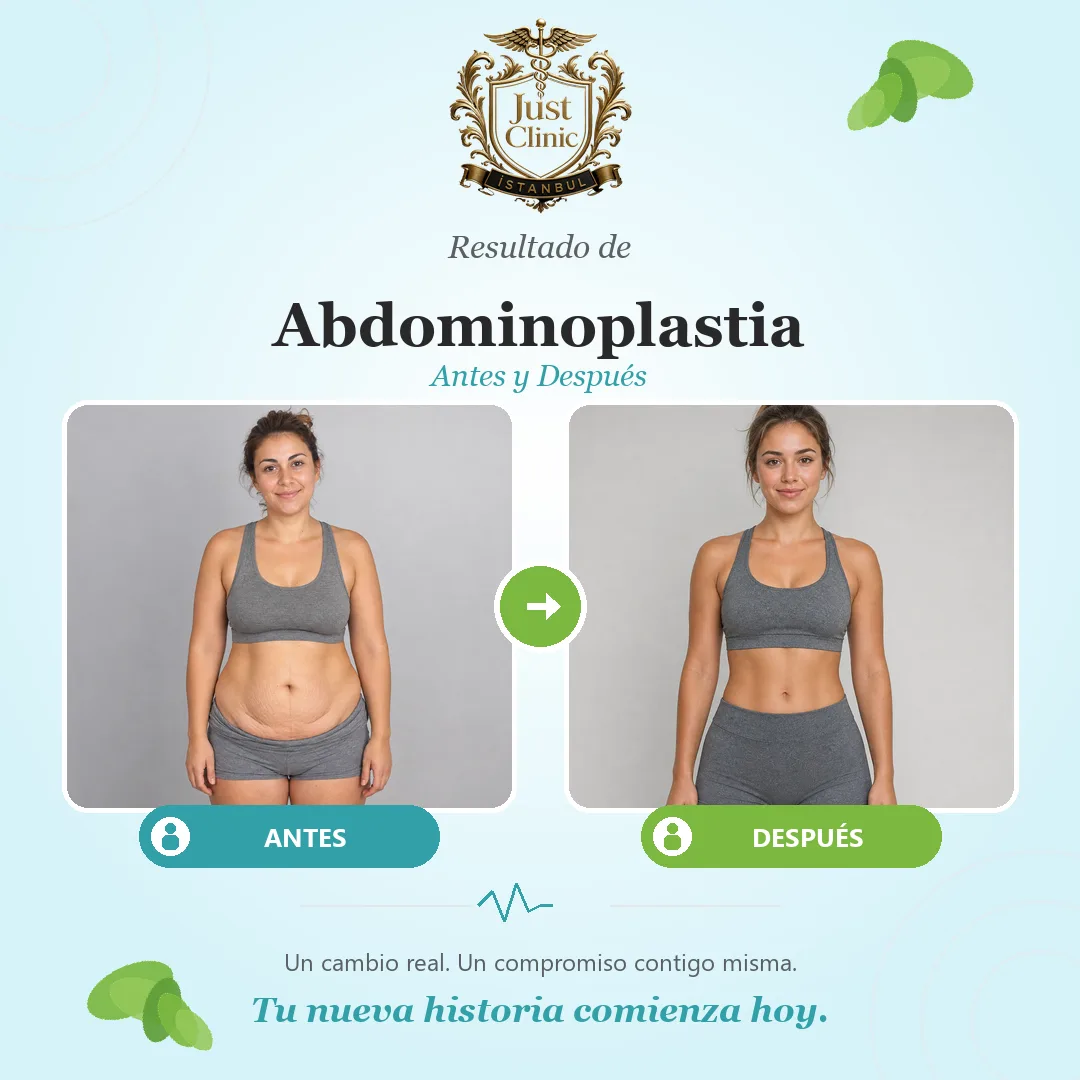
Tummy tuck before and after Turkey
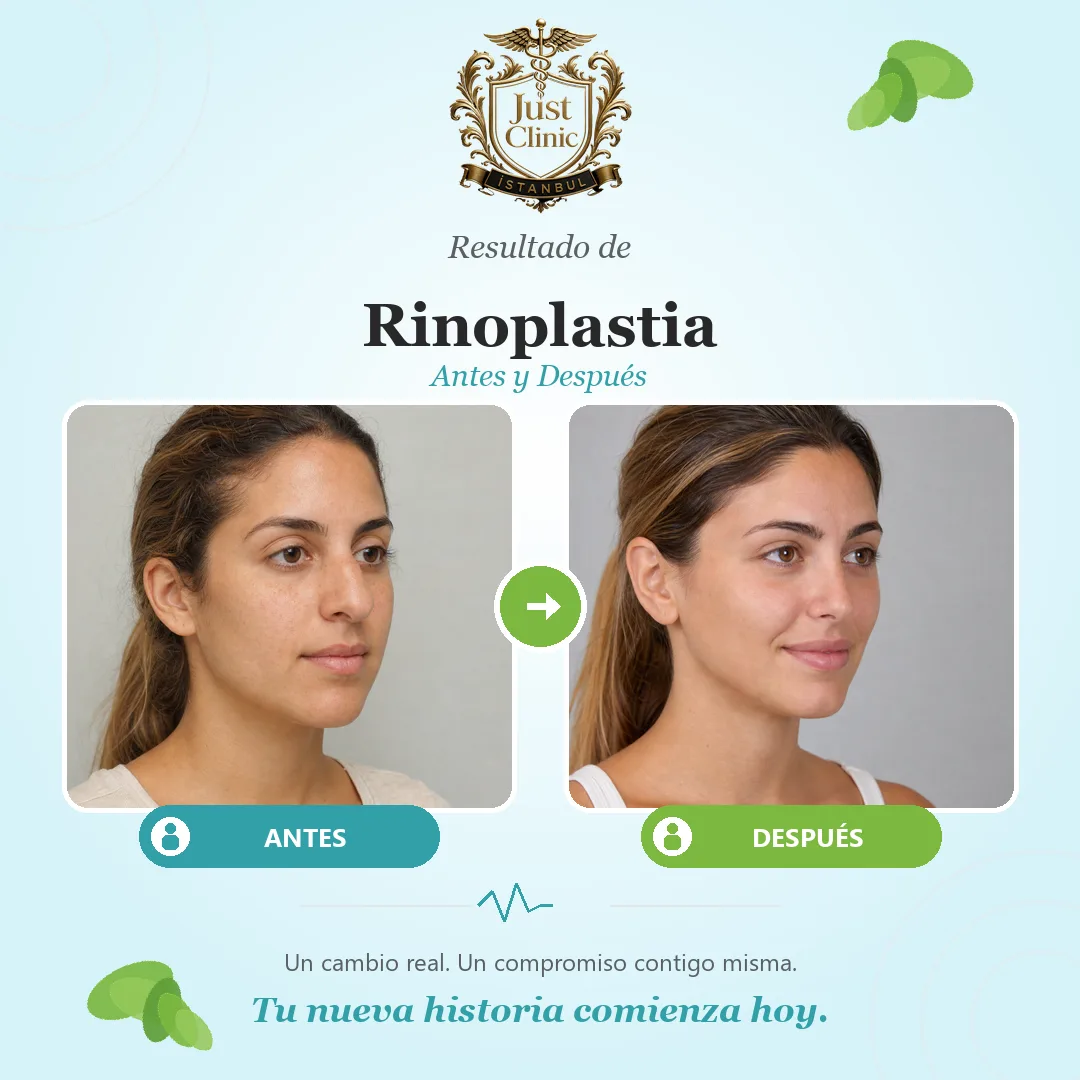
Swelling masks early contour. Reliable comparison photos are taken months later. Mini vs full technique produces different scar length and recovery intensity — confirm which applies to you pre-travel.
Choosing abdominoplasty in Istanbul
See tummy tuck in Istanbul for clinical detail. UK patients comparing trip costs should read our tummy tuck Turkey cost page for orientative ranges.
Diastasis repair and core function after tummy tuck
When rectus muscles are plicated during abdominoplasty, many patients notice improved abdominal firmness and reduced bulging — though core strength still requires gradual rehabilitation. Physiotherapy-style exercises such as gentle pelvic tilts may begin only after surgeon clearance, typically from week six onward. Traditional crunches and planks remain off limits until the muscle repair has healed sufficiently; rushing abdominal loading risks suture line disruption.
UK patients who had diastasis after pregnancy often ask whether future pregnancy is possible. It is medically possible, but a subsequent pregnancy can re-separate muscles and stretch skin, partially reversing contour gains. Completing family plans before abdominoplasty is frequently discussed in consultation.
Combining tummy tuck with liposuction
Liposuction of the flanks or upper abdomen is sometimes performed alongside abdominoplasty to refine the waist. This increases operating time and garment coverage but does not replace skin removal when laxity is severe. Combined body-contouring packages should list each component clearly so you understand recovery implications for multiple treated zones.
Detailed first-week day-by-day guide
Day 1: Hospital discharge or hotel rest; short assisted walks; drain output recorded if applicable; pain controlled with prescribed analgesia; sleep with upper body elevated.
Days 2–3: Continue gentle mobilisation; showering may be permitted with protection per protocol; avoid straightening fully when standing — a slight forward bend reduces tension on the lower abdominal incision.
Days 4–5: Drain removal often scheduled when output falls below threshold; garment adjusted; review appointment confirms wound appearance.
Days 6–7: Increased comfort with walking upright gradually; still no lifting; prepare fit-to-fly documentation if return is imminent.
Life after return to the UK
Arrange time off work aligned with physical job demands — manual roles need longer absence than desk-based roles. Childcare and pet care plans should account for limited bending. Scar massage and silicone products begin only when the surgeon authorises — usually after weeks two to four once incisions are fully closed.
Core rehabilitation after diastasis repair
Gentle core activation only after surgeon clearance — usually week six plus. Crunches too early risk plication failure. Future pregnancy can re-stretch results; family completion often discussed pre-op.
Day-by-day first week
Day 1: Discharge, short walks, drain log.
Days 2–3: Forward-bent posture normal.
Days 4–5: Drain removal often.
Days 6–7: Fit-to-fly assessment.
UK return planning
Manual jobs need longer leave; scar care starts when authorised; child/pet lifting restricted — arrange support.
Just Clinic Istanbul tummy tuck coordinates consultation, photo review, and English-speaking logistics. With Just Clinic Istanbul tummy tuck, garment use and drain care are explained in writing before surgery day.
Mini vs full abdominoplasty decision guide
Mini tuck suits infra-umbilical laxity with tight upper abdomen; full tuck addresses diastasis and supra-umbilical skin. Choosing mini to shorten scar when full indicated produces incomplete correction. Surgeon honesty about scar length trade-offs beats marketing shorter scar at expense of result.
Seroma management after return to UK
Fluid accumulation may appear weeks later — report persistent bulge or fluctuating swelling. Aspiration in UK clinic may be coordinated with Istanbul team if seroma develops post-flight.
Garment laundering and skin care under binder
Follow garment wash instructions — loss of elasticity reduces support. Powder or rash under binder warrants review to exclude contact irritation versus infection early.
Practical questions UK patients ask before booking
Insurance rarely covers cosmetic surgery abroad — budget for complications fund and possible extended stay. EHIC/GHIC does not replace private surgical coverage in Turkey. Travel insurance declaring cosmetic procedure is essential; standard holiday policies often exclude elective surgery claims. Keep credit card unblocked for hospital deposits if required on admission day.
Language access matters at 2 a.m. if nausea or anxiety spikes — confirm twenty-four-hour English coordinator availability in writing, not only weekday office hours. Save clinic GPS address in phone for taxi drivers. Download offline maps of hotel-to-clinic route.
Companion vs solo travel
Solo travel is possible for many procedures with hotel nursing add-ons, but first-night assistance after general anaesthesia strongly favours a companion or paid carer. Airport wheelchair request reduces fatigue even if you can walk — energy reserves matter for healing not heroics.
Document checklist for border and aftercare
- Passport, flight confirmations, hotel booking, clinic appointment schedule
- Printed operative consent copies and allergy list
- GP letter listing regular medications
- Emergency contact tree: coordinator, surgeon office, hotel front desk
- Photograph incisions only if surgeon requests telemedicine review — date-stamp images
Realistic recovery beats rushing home to impress employers or social media followers. The clinics that encourage extended stay when healing lags are prioritising safety over bed turnover — that culture sign matters when choosing where to book.
Setting expectations with your employer and family
Discuss anticipated absence length with HR using medical certificate from Istanbul discharge — not guessed dates from forums. Family members should understand lifting restrictions: toddlers, shopping bags, and laundry baskets often exceed post-op limits silently assumed at home. Meal prep and childcare rosters before departure reduce relapse into overactivity that triggers complications.
When online forums disagree with your surgeon
Reddit and TikTok recovery timelines are anecdotal. Your surgeon's protocol reflects your operative extent, comorbidities, and intraoperative findings — follow personalised instructions over generic week-by-week posts from strangers with different anatomy and procedures.
Closing notes on safe medical travel from the UK
Elective surgery abroad combines healthcare with travel logistics — treat both seriously. Arrive rested, not straight off a night flight into pre-op assessment. Hydrate on aircraft, wear compression stockings if your UK GP recommends DVT prophylaxis for your risk profile, and walk the cabin aisle hourly on return when medically cleared to fly. Keep digital and paper copies of consent forms.
Healing continues long after social-media-ready moments pass. Schedule follow-ups before departure, not only after problems appear. A structured plan from day zero reduces panic-driven decisions mid-recovery.
Recording your recovery for remote review
Many Istanbul teams request dated photos at fixed angles — front, oblique, profile as applicable. Consistent lighting and distance help surgeons compare progress. Do not edit or filter images sent for medical assessment. Honest documentation speeds useful advice if asymmetry or delayed healing appears after you land in the UK.
Red flags vs normal recovery sensations
Normal recovery includes discomfort managed by prescribed medication, predictable swelling, and gradual improvement week by week. Red flags requiring urgent contact include fever above thirty-eight degrees Celsius persisting, one-sided pain or swelling disproportionate to the other side, wound edges separating with odour, chest pain or breathlessness, or sudden vision change when relevant to facial procedures. When uncertain, photograph the concern and message your coordinator before assuming forum advice applies.
UK NHS 111 or A&E remain available for emergencies after return — bring Istanbul discharge summary to local clinicians. Cooperation between overseas surgical team and UK doctors improves continuity though ultimate responsibility follows the original treating surgeon's aftercare window.