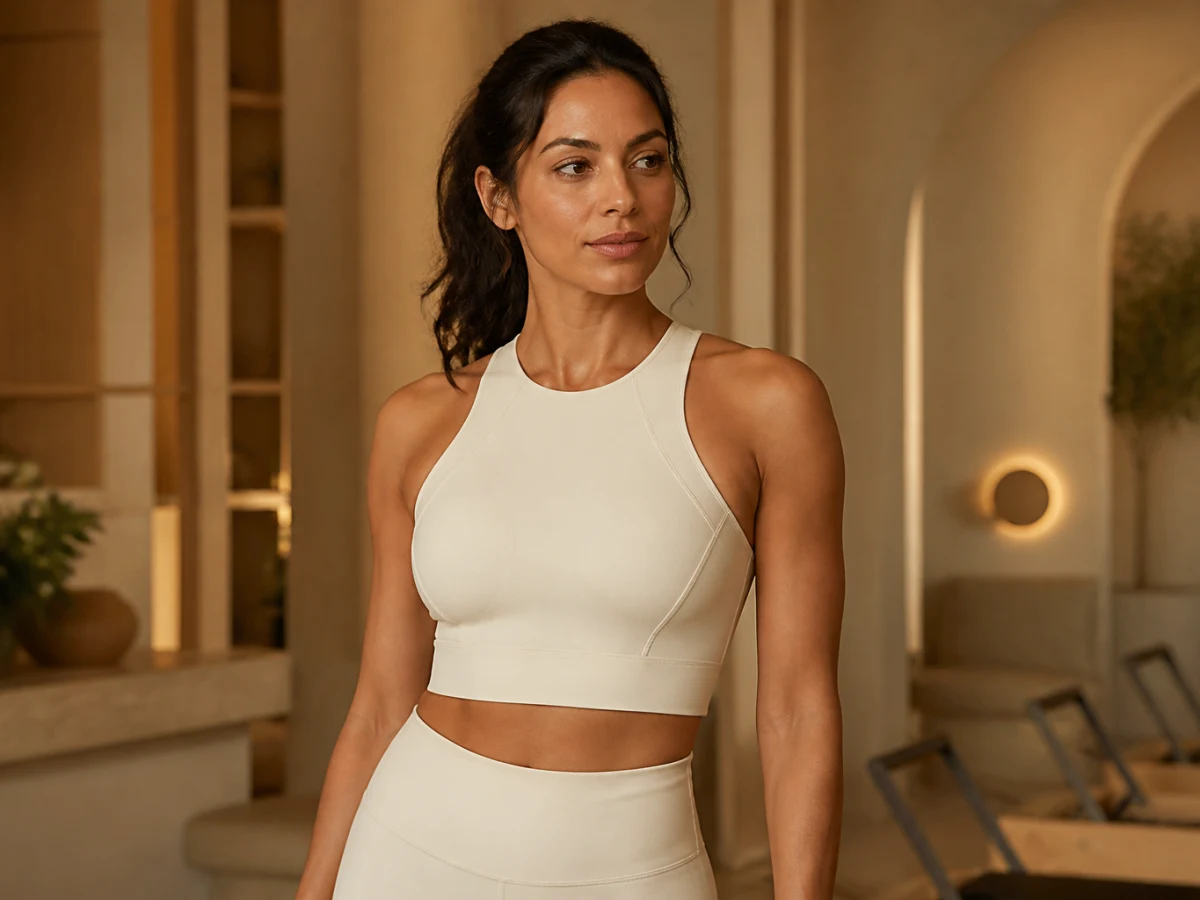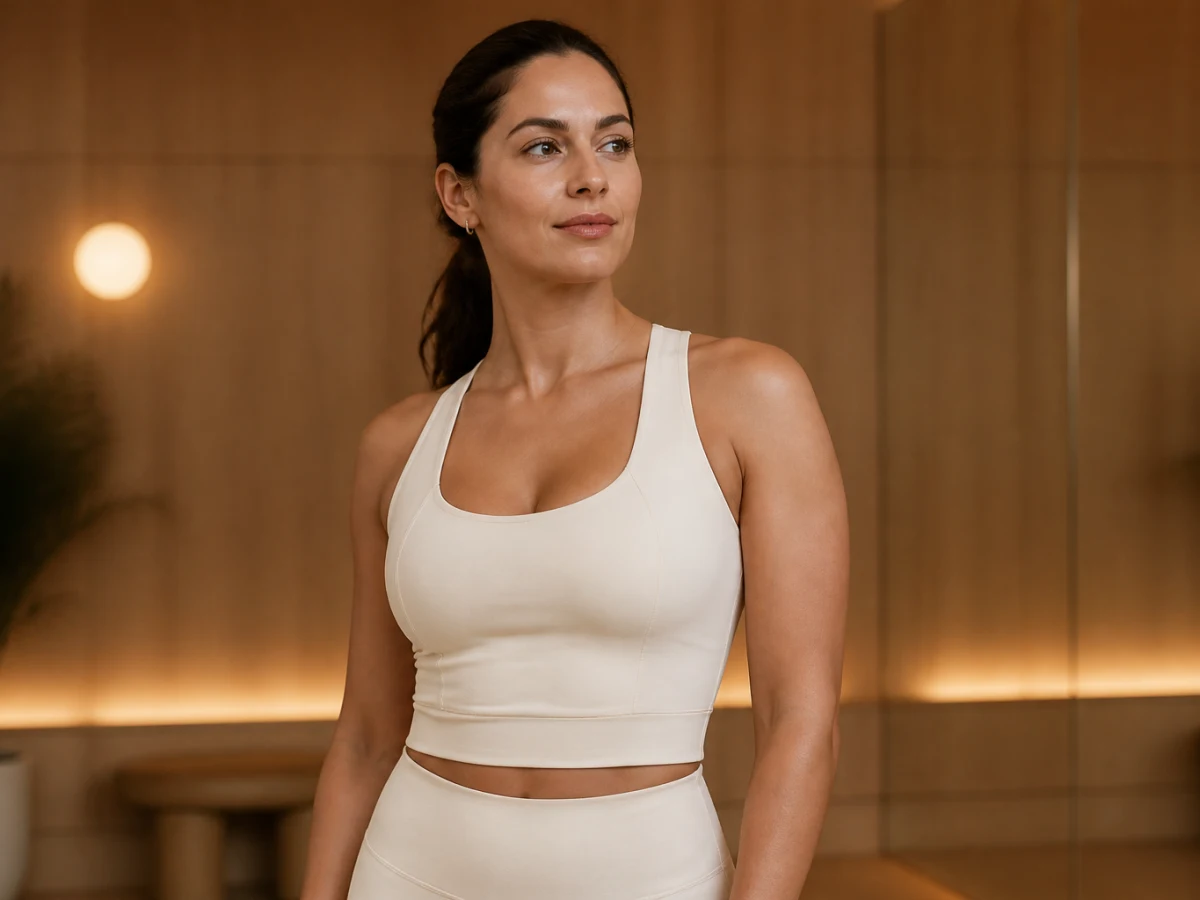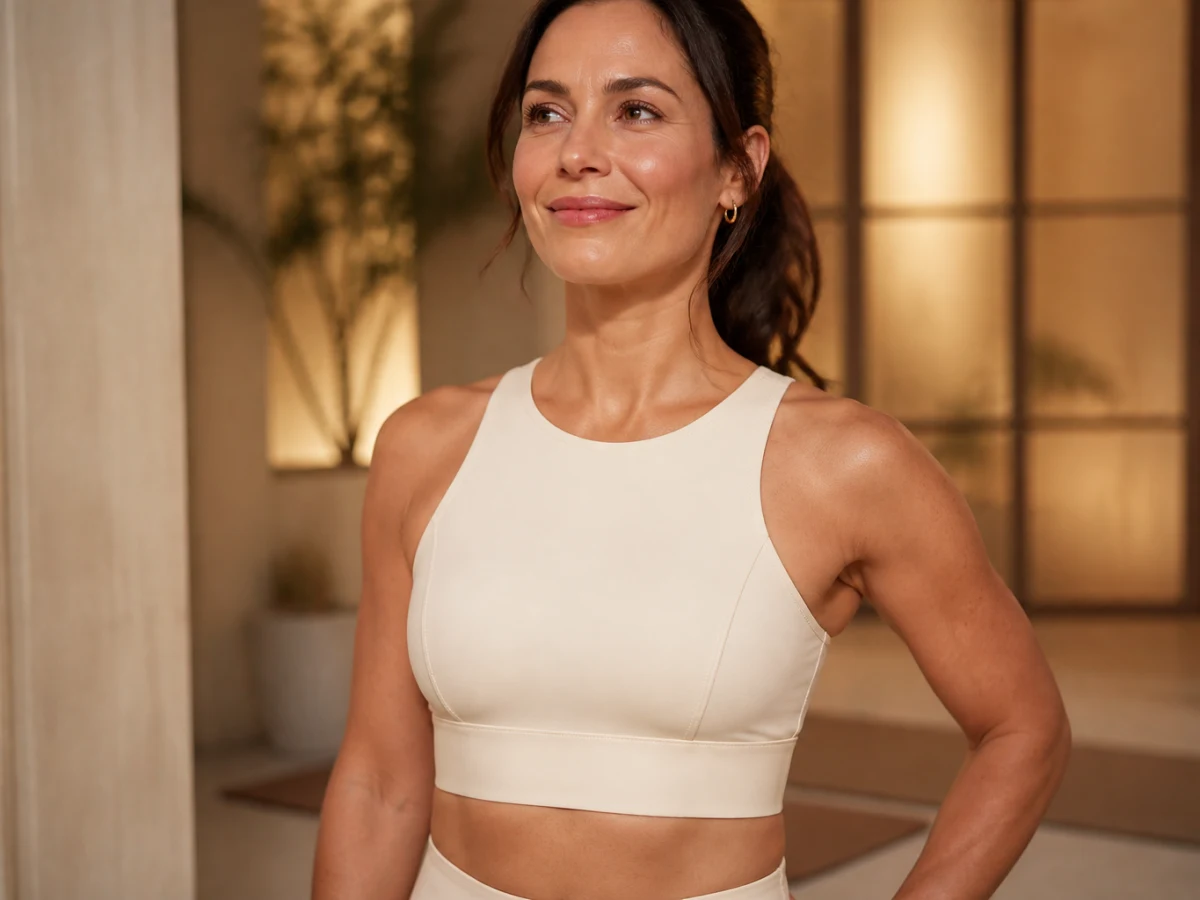



My name is Emma. I live in Manchester. For years the mirror didn’t match the rest of me. I wasn’t after a model’s body. I wanted to button a blouse without stuffing the cups. Walk into a fitting room and not be back in my own clothes two minutes later. A bikini without feeling something was missing. It took all winter. At night: would they feel fake? Would the scar show? Would it floor me for a week? Then the money. UK quotes, on an office salary, would have left me with nothing.
I started looking at Turkey. Quotes for a breast augmentation in Turkey were so much lower I didn’t feel relieved. I felt suspicious. If it costs that much less, what are they cutting? I spent weeks on forums. One decent comment and I was packing. Next day: an unlicensed clinic, a plane on day three, a woman home whose messages dried up. On the bad nights I typed is breast augmentation in Turkey safe? until my eyes burned. I wanted a name, a hospital, someone who would talk to me like an adult. In the middle of that I wrote to Just Clinic Istanbul. Not on day one. First I read whose hands I’d be putting myself in.
Manchester, the sofa
I didn’t send “how much?” I sent what scared me: that my partner would think they looked fake, that the scar would show in a bikini, that back in Manchester nobody would pick up. They asked for photos, measurements, history. They didn’t send a set price and a flight date. They asked whether I wanted something you could see from across the street, whether I might want children, whether I slept on my front.
Then they offered a call with a woman who’d already had it with them. I didn’t speak for a moment. Forums say clinics never do that. We spoke nearly an hour. She didn’t paint a fairy tale. Hotel bathroom, first week, the knot easing once they started to look like breasts again, not something still bandaged. That hour did more than twenty threads. On the paper, later: Just Clinic Istanbul breast augmentation, a name, a hospital. If you came in on breast augmentation Just Clinic Istanbul, that was the line on the file, not a slogan I said out loud.
The first night
I’d read about packages that operate you and send you to the hotel the same afternoon. Airport to table to plane. I was terrified of that.
They didn’t put me in a car. I stayed that night in a real hospital. Clean room. Equipment I could see. Call bell in reach. Nurses through the night: could I breathe with that pressure, blood pressure, dressing, surgical bra, painkillers and the drip on time. They helped me drink. They moved the pillow when I couldn’t lift my arms. In the morning the surgeon who had operated came in. He looked at me, not the clock on the door.
Theatre is usually one to two hours if it isn’t combined with anything else. Mine was about that. At the door, hands freezing, I asked again where they would cut. Under the muscle. Incision in the fold under the breast. They said it in English, in sentences, not “you’ll see”.
Six nights
I stayed in Istanbul six nights. Fly only after he was convinced: the wound, the blood pressure, how I felt. They didn’t bring the flight forward to fit a package. After what I’d read about medical tourism, that calmed me more than any email.
The first three to five days: pressure, weight, tightness, like carrying a thick book on my chest. It burned in a dull way — not an anvil and a fire at once. Not crying all night. Arms above the shoulders were hard. I asked for help with a T-shirt. By the second week the sharp sting had gone. I kept to the tablet times like a flight time.
The hotel bathroom
Week one in that mirror, my stomach turned. High, tight, shiny. The crease didn’t look like a crease yet. They had warned me before surgery, not after. Implants drop and soften. Three to six months. Don’t compare day ten with month six. If I’d gone by that first photo I’d have been in bits.
He measured chest width, shoulders, the distance between nipples. A bigger implant on my frame would look like an advert. I wanted someone in the street not to think I’d had surgery. My partner, hugging me, to feel breasts, not two footballs. We didn’t overdo it.
The scar sits in the fold. First weeks red. No invisible scar. Sun, rubbing too soon, hard sport can ruin it. Creams, looking after it like a job. A fine line remains. From the front you barely see it. I wasn’t collecting breast implants before and after Turkey as a catalogue. I wanted mine to look like mine.
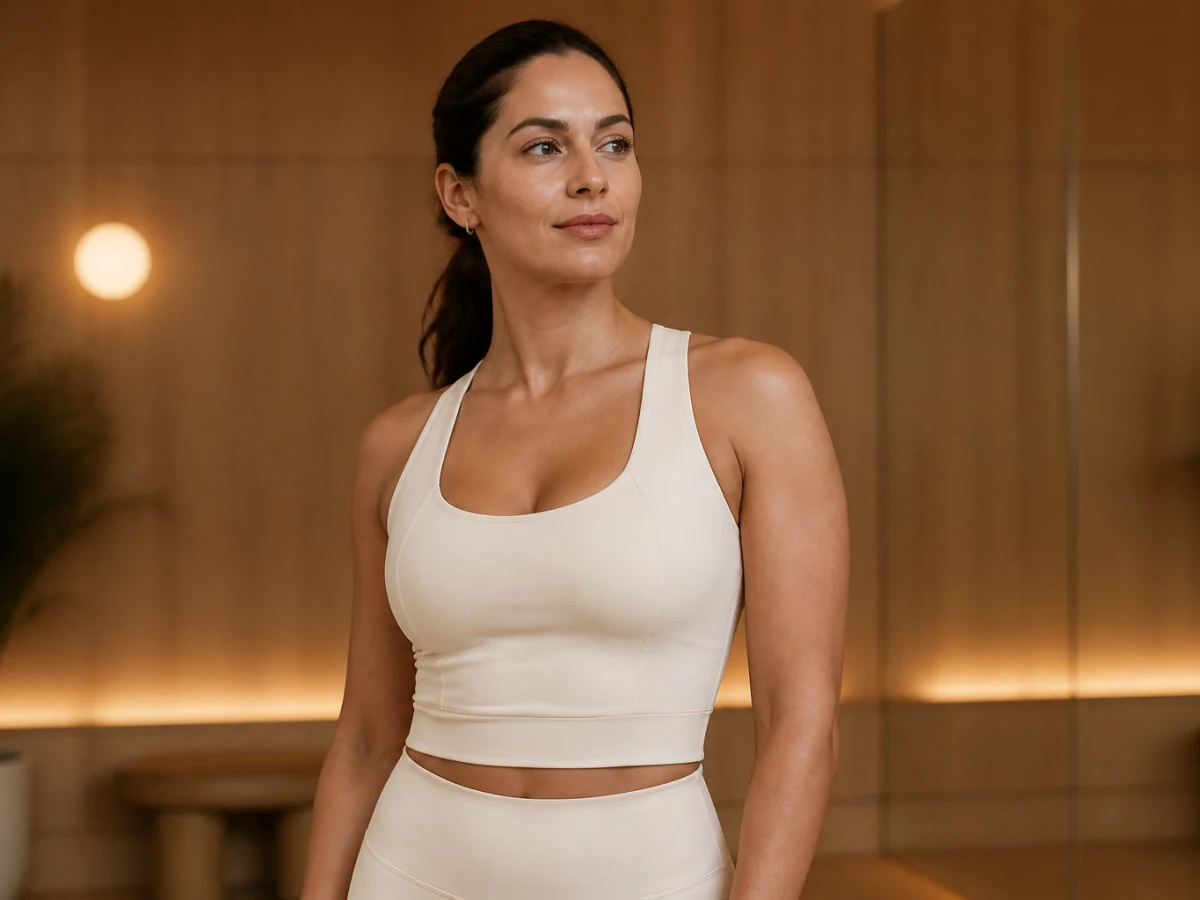
Week two at the desk
He’d said desk jobs often sit down after five to seven days. For me it was the start of week two, post-surgery bra on, no boxes, no suitcases. Sport and weights: four to six weeks. I wasn’t going to wreck it to look strong in the gym. If you’re reading this for breast augmentation Turkey recovery, that’s my week, not a timetable for everyone.
Sex: gently at first. Around week six if he said yes and it no longer hurt. A hug doesn’t burst an implant. Cabin pressure doesn’t either. I didn’t sleep on my front the first weeks. They can need replacing years later. He didn’t sell me “never”.
Underside of the left breast: numb, like through a glove. Then pins and needles. Months, possibly. Cut not around the nipple. Breastfeeding matters to me. Under the muscle and the crease lowers the risk. No hundred per cent. Capsular contracture can happen in Manchester or Istanbul. Any body. Not “more common in Turkey”.
The flight to Manchester
Ordinary flight. Stockings. Water. Walking the aisle. No drains on the plane. He examined me once more and said I could fly. I didn’t pick the cheapest quote. The Foreign Office says quality varies from centre to centre. Who operates, real hospital, brand and model and traceability in writing before the ticket. Nothing extra at the theatre door.
Sixteen million people, no Turkish. Named transfer. Not the metro with a bandage on. The person who wrote back from the first message speaks proper English. Forms explained, not a sheet for Google Translate. After landing, same person on WhatsApp. A sting, a photo: normal at that stage; fever or worse pain, A&E, they speak to the doctors. I didn’t feel fobbed off.
I searched breast augmentation Turkey because the prices here shut the door. I came home able to button a blouse. Not a leap. A plan for my frame. Just Clinic Istanbul organised the trip. They don’t operate.
How we keep our medical content accurate
This content is general information, not personal medical advice or a treatment offer. With your consent, an enquiry may be shared with an authorised independent healthcare partner. The treating provider makes the individual clinical assessment, provides care and issues the written plan.
| Medically reviewed by | Prof. Dr. Halil İbrahim Canter Liv Hospital Vadistanbul Plastic, Reconstructive and Aesthetic Surgery |
|---|---|
| Author | Just Clinic Istanbul Medical Writing Team |
The reviewer links identify an external professional profile. Editorial medical review does not replace an individual assessment or create a treating-provider relationship. The authorised healthcare provider named in the written plan remains responsible for clinical decisions, care, follow-up and complication management.