Hair transplant in Istanbul
Hair transplant surgery restores density to thinning or receding areas using your own follicles. At Just Clinic Istanbul, FUE, DHI and Sapphire specialists support UK patients with graft planning, transparent packages and full English-speaking coordination from consultation through growth-phase follow-up.
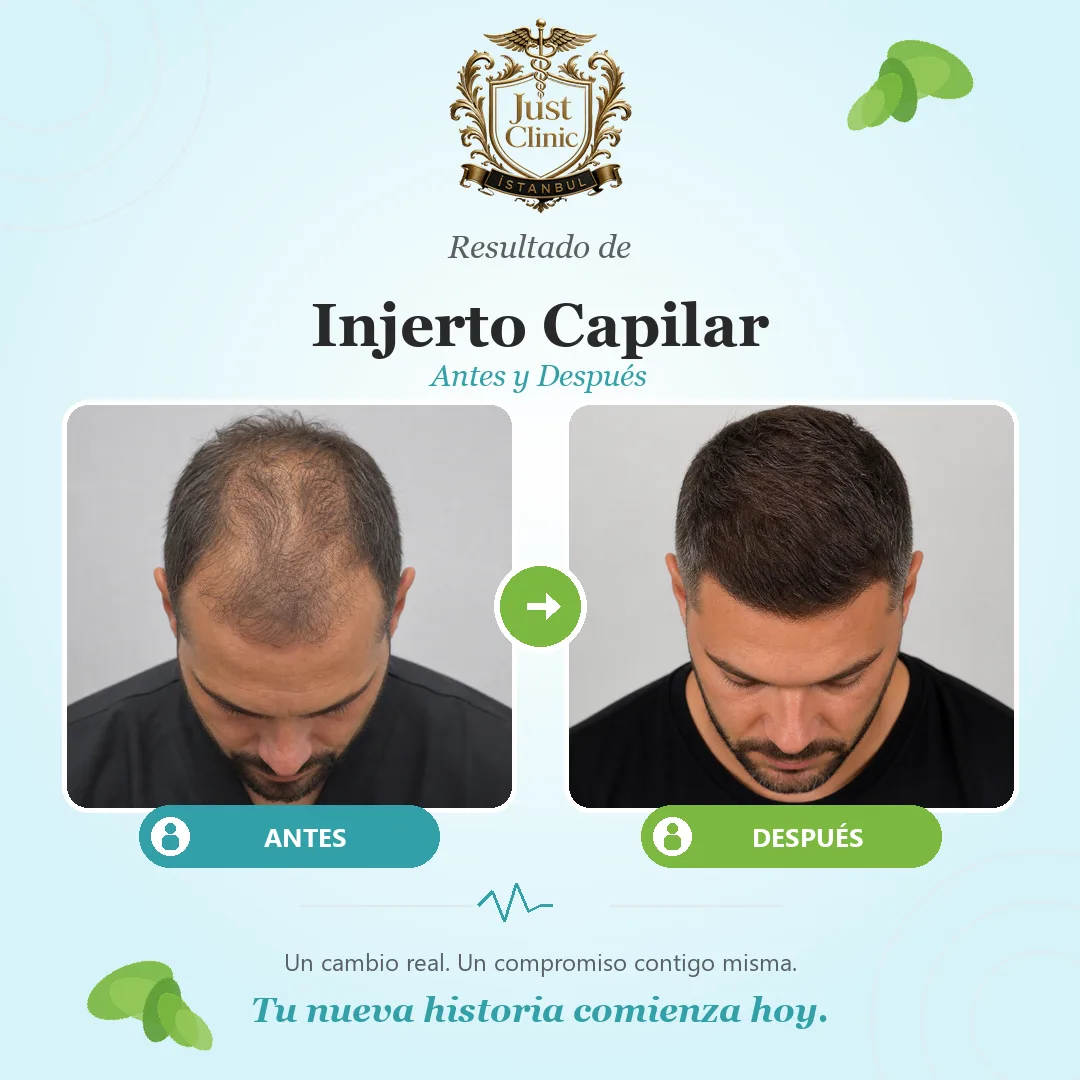
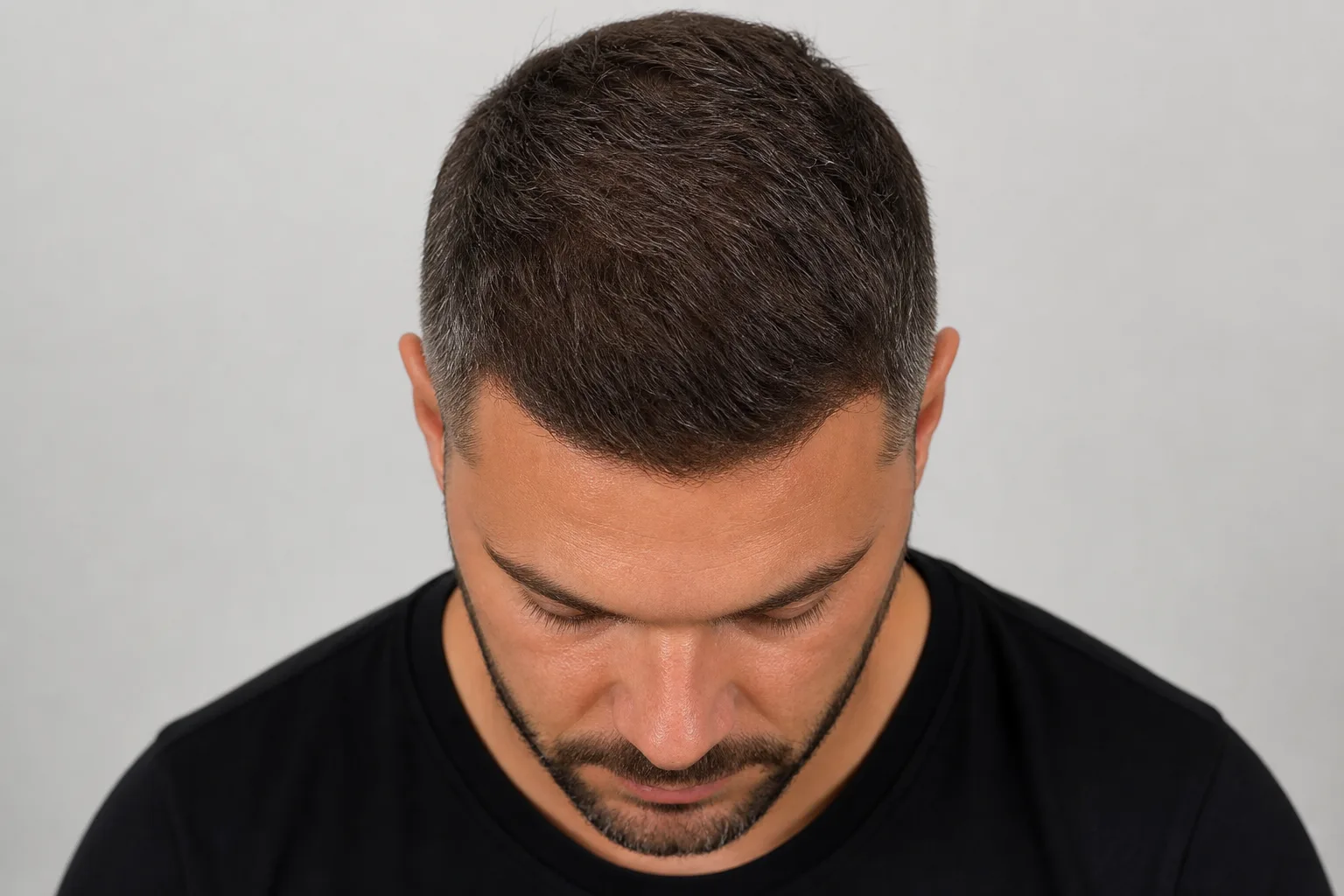
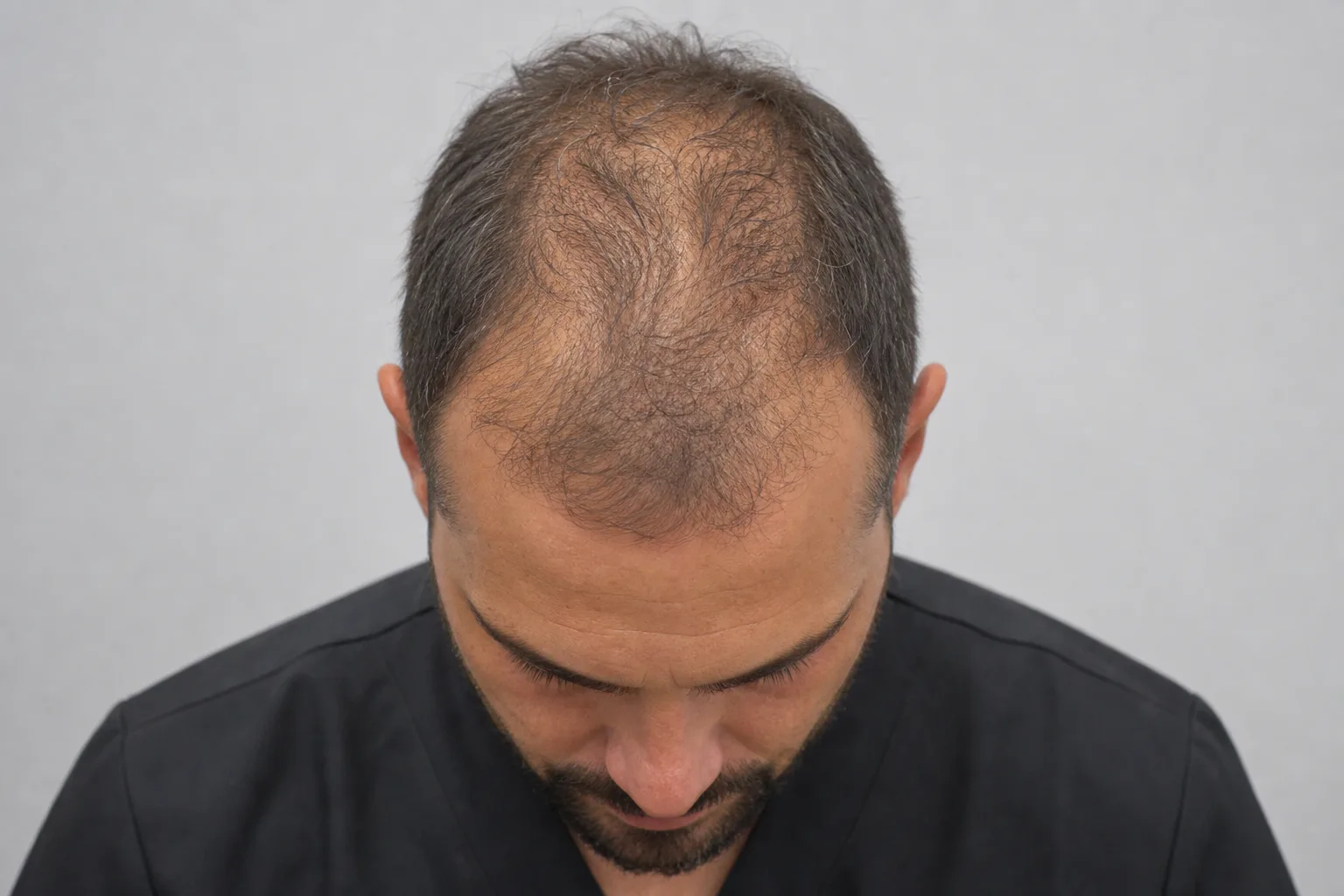
Results and real cases
What is a hair transplant?
A hair transplant — also called hair restoration surgery — moves healthy follicles from a donor area (usually the back and sides of the scalp) to thinning or bald regions such as the hairline, crown or mid-scalp. Once grafts take root, they can produce permanent hair growth because donor follicles are genetically resistant to typical pattern baldness.
Istanbul is among the world’s busiest destinations for hair transplant surgery, attracting UK patients who want experienced teams, structured packages and transparent graft-based pricing. At Just Clinic Istanbul, we coordinate FUE, DHI and Sapphire FUE pathways with accredited clinics, English-speaking liaisons and realistic counselling about density, donor limits and growth timelines.
Hair restoration is a medical procedure, not a same-day cosmetic tweak. Success depends on accurate graft planning, sterile technique and disciplined aftercare — including how you sleep, wash and protect the scalp on the flight home. Our hair transplant recovery and cost guide expands on shock loss, growth months and budgeting without repeating clinical detail here.
FUE, DHI and Sapphire FUE — how techniques differ
UK patients researching hair transplant Turkey packages encounter acronyms quickly. Understanding them helps you ask better questions at consultation.
FUE (Follicular Unit Extraction)
FUE hair transplant removes individual follicular units with a micro-motor punch (typically 0.7–1.0 mm). Grafts are counted, sorted and implanted into recipient sites created with blades or needles. FUE avoids a linear strip scar, leaving dispersed dot scarring in the donor zone that is usually hidden by surrounding hair. It suits many Norwood patterns when donor density is adequate.
DHI (Direct Hair Implantation)
DHI hair transplant uses a Choi implanter pen to insert grafts directly without pre-made channels in many cases. Potential advantages include slightly faster placement, angle control and — in selected clinics — partial or unshaven DHI options for patients who need discretion at work. Graft survival still depends on handling quality and realistic density targets, not the pen alone.
Sapphire FUE
Sapphire FUE refers to FUE where recipient channels are opened with sapphire blades rather than steel. Finer incisions may support dense packing and quicker scalp healing in some patients. Sapphire describes channel creation — extraction remains FUE. Marketing sometimes blurs terms; your coordinator clarifies exactly what your clinic performs.
Which technique is better?
Neither technique wins universally. DHI may suit patients prioritising dense placement or limited shaving; classic FUE may be efficient for high graft counts with excellent teams. The surgeon’s experience, graft handling and your specific balding pattern matter more than acronym prestige.
UK patients sometimes ask whether robotic FUE is superior to manual extraction. Automation can standardise punch depth, but outcomes still depend on team experience, graft handling time outside the body and recipient-site design. Ask clinics how long grafts remain outside the scalp and what survival protocols they follow.
Who is hair transplant surgery suitable for?
Good candidates have sufficient donor hair, stable hair loss and realistic density expectations. Common profiles include:
- Male pattern baldness with a receding hairline or thinning crown
- Female pattern thinning when clinically appropriate and diagnosed properly
- Scar alopecia from injury or previous surgery (case-by-case)
- Patients seeking to lower or refine the hairline with natural irregularity
You should disclose medical conditions, medications, previous transplant attempts and family hair loss history. Active scalp infections, uncontrolled autoimmune disease or very early hair loss that may progress unpredictably require careful discussion. Hair transplant does not stop future loss — maintenance therapy may be advised alongside surgery.
Donor supply is finite. Ethical teams refuse to over-harvest or promise celebrity density when follicle reserves cannot support it. A measured plan protects long-term appearance if hair loss advances.
Female pattern candidates require careful diagnosis — not all thinning is androgenetic. Telogen effluvium, alopecia areata and hormonal imbalance should be ruled out or stabilised before surgery. Men with early recession may be counselled to stabilise medically for several months so the hairline design does not become outdated as loss progresses.
Beard-to-scalp or body-hair transplant exists for advanced cases but is not first-line; Istanbul clinics with high volume typically focus on scalp donor quality and realistic hairline artistry.
Step-by-step procedure
Consultation and planning
Your journey often starts online from the UK with photos and a questionnaire. In clinic, the surgeon maps donor capacity, designs the hairline — respecting face proportions and age-appropriate recession — and estimates graft count. Blood tests and consent follow. You know whether you are targeting roughly 2,500, 3,000, 4,000 or more grafts before the day of surgery.
Surgery day
Procedures are performed under local anaesthesia with sedation available for comfort. Duration commonly ranges from six to ten hours depending on graft number and technique. The team extracts follicles, preserves them in controlled solution, then implants recipient sites in logical zones: hairline singles, mid-scalp multis, crown density as planned.
Same-day discharge and first wash
Most patients return to hotel the same evening with written medication and sleeping instructions — typically avoiding pressure on grafts by sleeping semi-upright. A first wash demonstration occurs within forty-eight to seventy-two hours; gentle technique protects newly placed follicles. You receive an English-language aftercare sheet and emergency contacts.
Teams differ on who performs which stage — physician versus technician roles — and reputable clinics disclose this transparently. Extraction and implantation demand skill; ask about team composition rather than assuming the named surgeon performs every graft personally.
Estimated session length means you should eat a light breakfast if permitted, bring entertainment for breaks and arrange hotel proximity so post-operative fatigue does not require long transfers the same evening.
Recovery and your stay in Istanbul
Hair transplant medical tourism packages often advertise two or three days in Istanbul, which matches the core surgical window for many FUE and DHI cases. Some UK patients stay an extra day for comfort before flying.
Days one to seven
Expect redness, crusting around grafts and mild swelling of the forehead — normal and temporary. Avoid scratching, hats that rub grafts, gym sweat and sexual activity as advised. Work from home may be feasible if your camera angle tolerates temporary redness; many patients take one week off visible meetings.
Weeks two to four
Crusts shed; transplanted hairs may enter shock loss, where shafts fall but follicles remain. This alarms unprepared patients but is common. Donor soreness fades; you resume light exercise when cleared.
Months three to eighteen
New growth emerges gradually. Cosmetic improvement is often visible around month three to four; meaningful density builds between six and twelve months. Final character — calibre, direction, fullness — matures up to eighteen months. Remote photo reviews help your team track progress after you return to the UK.
Detailed month-by-month guidance and graft-based budgeting appear in our recovery and cost blog. Orientative package tiers are summarised on the hair transplant Turkey cost page.
Washing technique is the skill patients fear most — clinics demonstrate gentle cupping of water and pat-dry methods without rubbing grafts. Saline sprays may be used for the first days. Itching is common; resist scratching and follow antihistamine advice if provided.
Alcohol and smoking impair healing; abstain for the period your clinic specifies. Gym, swimming and saunas stay off limits until clearance to avoid infection and dislodging crusts.
Returning to the UK with a slightly reddened hairline is normal; hats should be loose. Employers focused on client-facing roles sometimes schedule surgery before annual leave or hybrid-working weeks.
Hair transplant tourism in Istanbul — what UK patients should expect
Istanbul’s hair transplant sector is mature: airport transfers, hotel tiers, interpreter support and fixed graft packages are standardised — quality varies, so due diligence matters.
Look for physician-led planning (not technician-only chains], documented sterility, realistic graft ceilings and written follow-up. All-inclusive hair transplant packages typically cover procedure, medications, washes and transfers; flights and personal expenses remain separate unless stated.
At Just Clinic Istanbul, English-speaking coordinators align clinic choice with your goals — whether you need Sapphire FUE Turkey density, partial-shave DHI for workplace discretion, or conservative hairline lowering. We discourage chasing the highest graft number on a brochure if donor anatomy cannot support it responsibly.
Airport meet-and-greet services reduce stress after a long procedure day. Confirm whether your package includes one companion in transfers and whether extra nights are available if you prefer flying a day later than the minimum medical window.
Some clinics offer PRP or laser add-ons; evidence and pricing vary. Treat optional therapies as supplements to core FUE or DHI, not magic multipliers that replace careful graft placement.
Graft counts, density and realistic outcomes
UK forums obsess over numbers — 3,000 grafts hair transplant Turkey is a common search — but graft count without context misleads. One graft may contain one to four hairs. Hairline design requires single-hair follicles; behind it, multi-hair units create bulk.
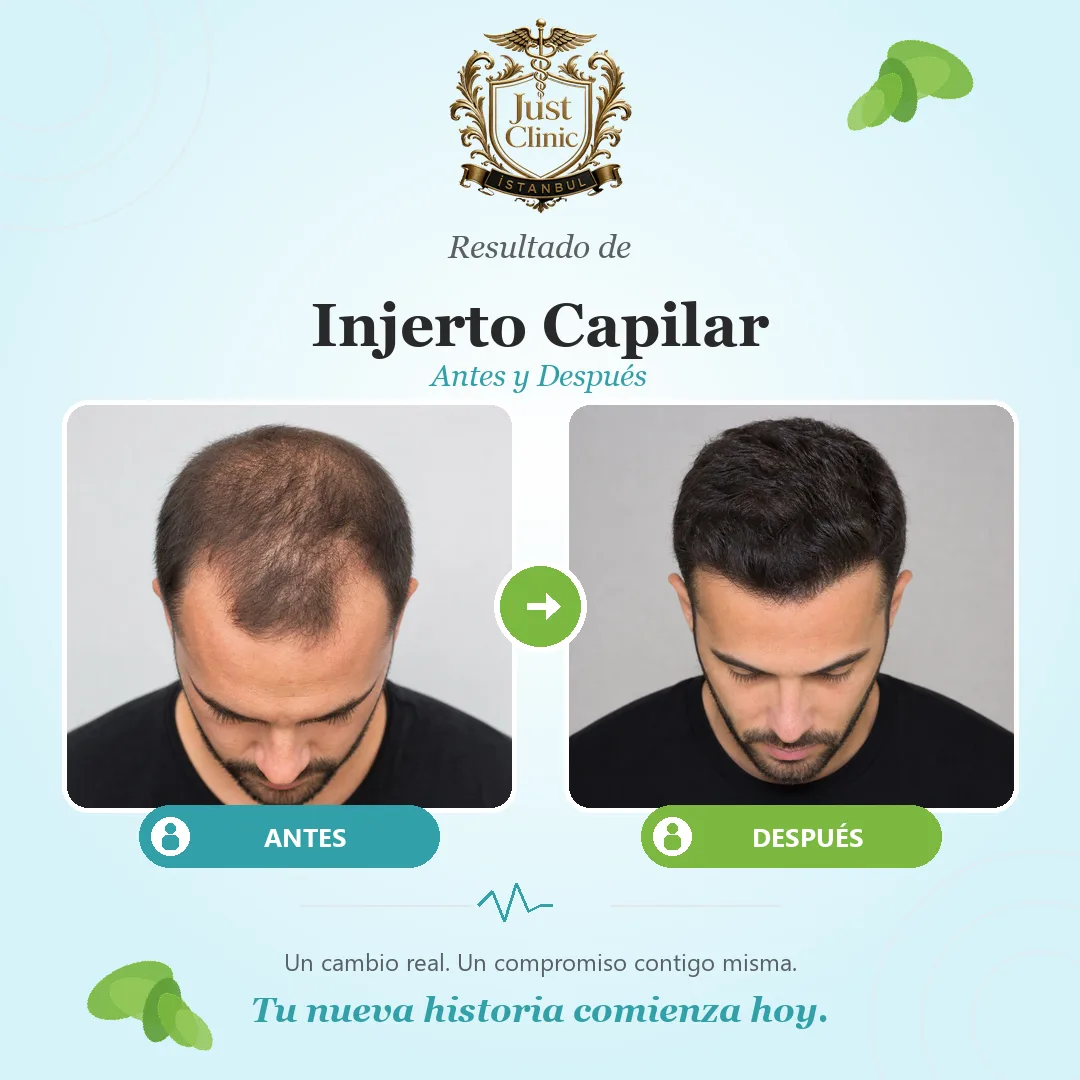
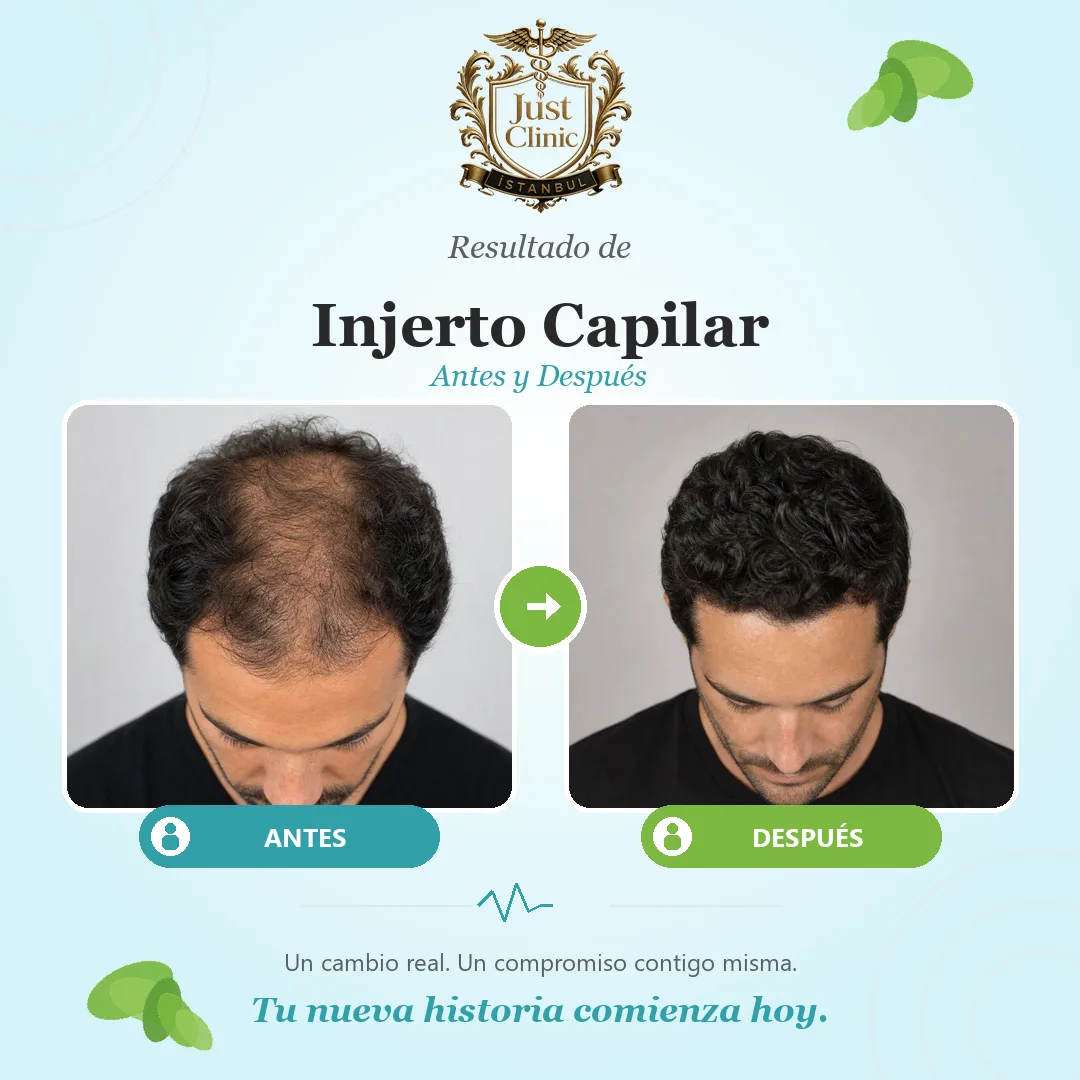
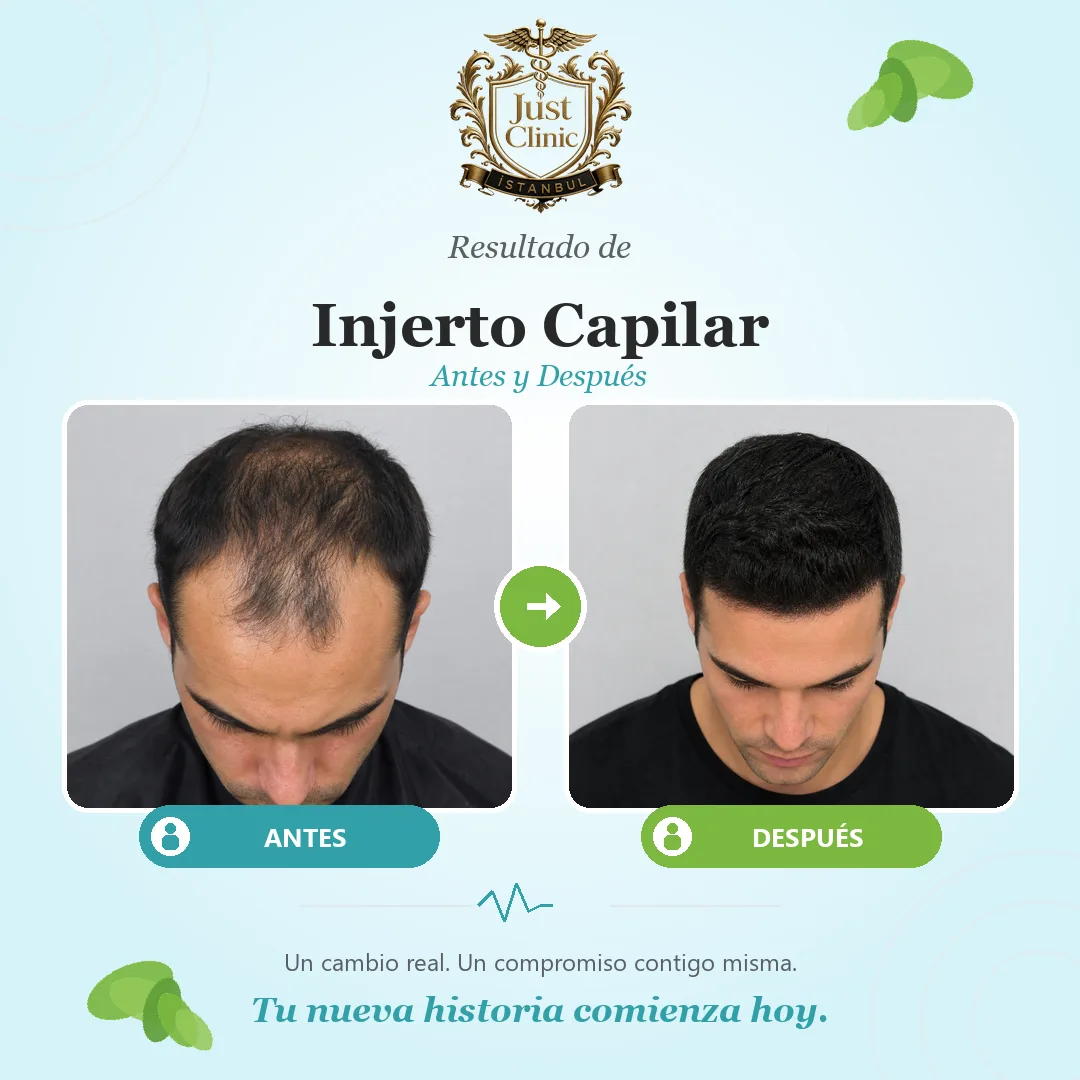
Density goals must respect blood supply to the scalp. Packing too aggressively in one session risks poor survival. A skilled team spreads grafts intelligently for visual fullness rather than mathematical density alone. Before-and-after photos should resemble your starting hair colour, calibre and loss stage — not unrelated models.
If hair loss continues after surgery, medical therapy or a second session years later may be discussed. Transparent clinics mention this upfront instead of selling a lifetime guarantee on a single operation.
Norwood scale staging helps communicate loss severity in consultation — stage III vertex recession differs from diffuse thinning. Crown work often requires higher graft counts than a conservative hairline touch alone; combined zones may be staged across two sessions if donor limits apply.
Hair calibre and curl influence visual density: coarse hair achieves coverage with fewer grafts; fine hair may need conservative expectations or slightly lower hairline designs to avoid a wispy appearance.
Why choose Istanbul for a hair transplant?
UK private hair restoration can cost substantially more per graft than Istanbul packages, which helps explain travel interest — but value only exists where clinical standards keep pace with marketing.
Istanbul offers high surgeon and technician throughput, competitive pricing on FUE hair transplant Turkey and DHI hair transplant Istanbul routes, and direct flights from UK airports. The city’s infrastructure supports same-week surgery for planned leave from work.
Medical travel insurance that covers elective cosmetic procedures abroad is limited in the UK — read policy exclusions carefully. Keep receipts and clinical letters in case you need GP follow-up at home for wound checks or prescribed scalp treatments.
Finasteride and minoxidil may continue after surgery under medical advice to protect native hair, though dosing changes around procedure day should be surgeon-led. Hair transplant is a partnership between surgical placement and long-term medical maintenance.
Choosing Istanbul should never mean choosing the cheapest quote blindly. Prioritise team credibility, clear graft estimates, English aftercare and remote review access. Just Clinic Istanbul exists to filter noise and connect you with structured pathways — not to treat hair restoration as a commodity haircut.
Direct flights from London, Manchester and regional UK airports make short surgical leave realistic. Currency and package clarity in euros or pounds should be stated before payment — ask for written breakdowns to compare like with like against domestic clinics.
Your consultation with Just Clinic Istanbul
Start with a free consultation sharing scalp photos (front, top, sides, donor rear], your medication list and how you style hair to conceal thinning. Surgeons estimate graft need, discuss FUE versus DHI versus Sapphire options, and outline whether one session suffices.
You receive a written plan: technique, estimated graft range, Istanbul nights, wash schedule and quote tier. We explain inclusions — transfers, hotel nights, PRP add-ons if offered — without pressure.
When you book, coordinators confirm surgery date, fasting instructions and flight timing relative to first wash. Review the hair transplant cost guide for fee context and our recovery blog for growth timelines. Request your consultation — and move toward fuller hair with a plan grounded in donor biology, not brochure promises.
Prepare a list of medications including finasteride, minoxidil or blood thinners — some may need pausing before surgery under medical advice. Hair fibres and concealer sprays should be avoided on procedure day so the team sees true donor density.
If you colour your hair, discuss timing with the coordinator; many clinics prefer natural colour contrast for graft visibility during implantation, with colouring deferred until healing permits.
Frequently asked questions
How much does a hair transplant cost in Istanbul? +
How long is recovery after a hair transplant? +
FUE or DHI: which is better? +
Does hair transplant leave visible scars? +
Will I have English-speaking support throughout? +
Other treatments
Ready to take the next step?
Request your free consultation today. Our expert team will respond as soon as possible.