
What gastric reduction is and how bariatric surgery works
Gastric reduction, within the field of bariatric surgery, groups procedures designed to treat obesity when diet, exercise and medical therapy have not achieved sustained weight control, or when comorbidities are linked to excess body mass. It is not a cosmetic shortcut: it is medical surgery that changes digestive anatomy or function to reduce calorie intake, alter nutrient absorption, or both, depending on the technique chosen.
Obesity involves a prolonged energy imbalance, hormonal changes — such as leptin resistance or ghrelin alterations — low-grade inflammation and metabolic pressure on organs including the liver, pancreas and cardiovascular system. Bariatric surgery does not only shrink the stomach or reroute the bowel; in many patients it modifies appetite signalling and improves metabolic markers, which is why nutritional and psychological follow-up remains essential after the operation.
Restrictive and malabsorptive mechanisms
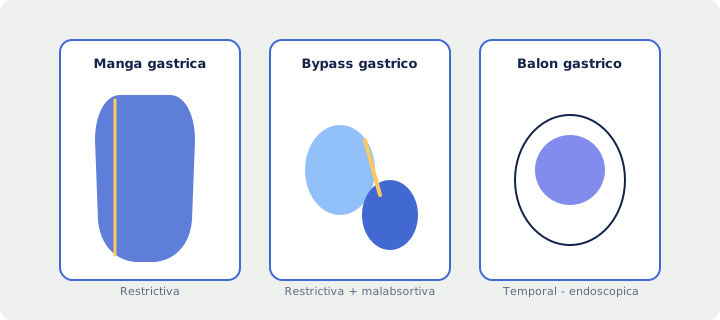
Restrictive techniques reduce stomach capacity so smaller portions produce satiety. Sleeve gastrectomy is the most widespread example: roughly 75–80% of the stomach is resected, leaving a narrow tube that limits volume and may reduce ghrelin secretion. Malabsorptive or mixed techniques, such as gastric bypass, create a small gastric pouch and bypass part of the small intestine so fewer calories and nutrients are absorbed. The gastric balloon is a temporary endoscopic device that occupies space inside the stomach; it does not require major incisions, but its effect ends when it is removed, so lifestyle change must run in parallel.
Choosing between sleeve, bypass, balloon or less common options — such as adjustable gastric banding — depends on BMI, prior abdominal surgery, associated diseases (type 2 diabetes, reflux, hypertension), eating habits and expected adherence to follow-up. No procedure guarantees a specific target weight; outcomes improve when patients understand that surgery starts a multi-year process, not an instant result.
Procedure types: sleeve gastrectomy, gastric bypass and balloon
Sleeve gastrectomy
Sleeve gastrectomy is usually performed laparoscopically through several small abdominal incisions. The bariatric surgeon divides the stomach along the greater curvature and removes the lateral portion, sealing the edge with staples or reinforced sutures. Surgery typically lasts one to two hours; international protocols often involve one to three hospital days. It is the most requested option in patients with moderate to high BMI without severe contraindications to extensive gastric resection. Advantages frequently cited: less absorption change than bypass, no intestinal anastomoses and lower dumping risk than mixed techniques. Limitations: not reversible, may worsen reflux in predisposed patients, and the remnant stomach can dilate if dietary guidance is ignored.
Gastric bypass (Roux-en-Y)
Gastric bypass creates a gastric pouch of about 30–50 ml and connects the small bowel so food bypasses a section of duodenum and proximal jejunum. It combines restriction with moderate malabsorption and has long been a reference in very high BMI or poorly controlled type 2 diabetes. Weight loss may be faster in early months than with sleeve, but micronutrient monitoring — iron, calcium, vitamin B12, folate — is stricter because of deficiency risk. Technical complexity and anastomosis-related complications require a team with documented bariatric experience.
Intragastric balloon
The balloon is placed endoscopically under sedation and remains six to twelve months depending on the model. It occupies volume, delays gastric emptying and supports habit re-education alongside nutritional counselling. It suits lower BMI patients who do not meet strict surgical criteria, or as a bridge before major surgery. After removal the stomach regains capacity; without maintenance planning, weight regain is common. Nausea, vomiting and gastric discomfort in the first weeks usually ease with medication and gradual diet adaptation.
Who may be a candidate: BMI, comorbidities and assessment
General criteria — always individual — often consider adults with BMI ≥40 kg/m², or BMI 35–39.9 kg/m² with relevant comorbidities (type 2 diabetes, sleep apnoea, hypertension, dyslipidaemia, disabling joint disease). In some settings, sleeve gastrectomy is evaluated at BMI 30–34.9 with poorly controlled obesity and associated metabolic disease under strict multidisciplinary supervision.
Before scheduling surgery in Istanbul or elsewhere, a responsible protocol includes full medical history, blood tests, cardiology assessment when indicated, nutritional status review and, in many centres, psychological support to rule out untreated eating disorders, active alcohol dependence or unrealistic expectations. Active smokers, planned pregnancy or uncontrolled disease may require preparation or temporary contraindication. The decision should be shared between surgeon, endocrinologist, dietitian and patient.
- BMI and abdominal fat distribution.
- History of abdominal surgery or hernias.
- Chronic medication (anticoagulants, antidiabetics, psychotropics).
- Ability to follow progressive diets and postoperative supplementation.
- Support network at home for medium-term follow-up.
Recovery after bariatric surgery in Istanbul
Recovery varies by procedure, baseline health and early mobilisation. After laparoscopic sleeve or bypass, walking usually starts the same day or the next to reduce venous thrombosis risk. Abdominal pain is managed with stepwise analgesia; most international travellers stay in hospital one to four days before moving to supervised accommodation.
First weeks: diet and symptoms
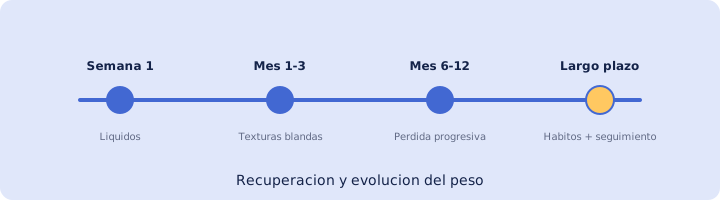
Food progresses in phases: clear liquids, full liquids, purées and finally soft textures according to the team's calendar. Eating too fast, poor chewing or drinking with solids can cause nausea, vomiting or epigastric pain. Small volumes and pauses between bites are essential. Hydration between meals, protein-first intake and prescribed vitamin supplementation underpin immediate postoperative care.
Return to activity and flying home
Many people can walk and do light tasks within one to two weeks; heavy physical work or lifting is usually postponed four to six weeks or longer. Long-haul flights need individual thrombosis prevention — compression stockings, hydration, periodic movement — based on risk and flight duration. Before flying, a review with the treating team should confirm favourable progress and provide written alarm signs: persistent fever, severe abdominal pain, inability to tolerate liquids or abnormal wound discharge.
When results appear and long-term maintenance
The most noticeable weight loss often occurs between months six and twelve, though many patients see changes from the first weeks through calorie restriction and reduced appetite. With sleeve gastrectomy, 50–70% excess weight loss at 12–18 months is common in adherent patients, with individual variation. Bypass curves may be similar or slightly faster early on. The balloon, being temporary, depends almost entirely on habits built during its placement.
Long-term success is measured not only in kilograms but in comorbidity improvement, quality of life and balanced nutrition. Some patients regain weight years later, especially if follow-up stops or liquid hypercaloric patterns return — sugary shakes, frequent alcohol, grazing between meals. Periodic blood tests, bone density scans when indicated and ongoing nutritional support are part of treatment, not optional extras.
Risks, limitations and responsible expectations
Major surgery carries risks: bleeding, infection, deep vein thrombosis, pulmonary embolism, staple-line leaks or anastomotic dehiscence in bypass, stenosis, marginal ulcers or, rarely, reoperation. Perioperative mortality in high-volume centres with standardised protocols is low but not zero; risk reduction means accredited hospitals, teams that document complication rates and a clear emergency plan.
Honest limitations: surgery does not automatically correct skin laxity, does not remove the need for progressive physical activity and does not replace psychological care when disordered eating exists. In women of childbearing age, contraception planning and post-bariatric pregnancy need specialised coordination. No ethical professional can promise an exact weight or guaranteed resolution of every metabolic disease; reasonable discussion covers probabilities of improvement and active patient commitment.
Gastric reduction cost in Turkey: what drives pricing
Searches for gastric reduction Turkey price or bariatric surgery Istanbul cost are common among international patients comparing quotes. In Istanbul, laparoscopic sleeve gastrectomy often falls in an indicative range of €3,500 to €7,500; gastric bypass may sit higher due to complexity and operating time; the gastric balloon, without prolonged hospitalisation, is usually cheaper though removal and follow-up are included. Figures vary by hospital, surgeon experience, preoperative tests, nights of stay, translation, transfers and whether a dietitian or psychologist is in the package.
Verify in writing before booking: who performs surgery (bariatric surgeon with documented annual volume), centre accreditation, what happens if a complication arises during travel, whether remote follow-up is included and for how long, and which supplements or reviews are excluded. A price far below market without transparency on the surgical team or ICU availability is additional risk, not smart savings.
Why consider Istanbul and how to choose a clinic
Istanbul has become a medical travel hub through internationally accredited hospitals, multidisciplinary teams used to foreign patients, advanced laparoscopic technology and competitive value compared with much of Western Europe. The city offers strong flight connections, hotel infrastructure for companions and the option to recover in a diverse cultural setting — provided sightseeing respects medical guidance.
Choosing where to operate requires more than brochure comparison. Review verifiable surgeon credentials, thromboprophylaxis protocols, communication in your language, access to bariatric-experienced dietitians and clarity on continuing follow-up at home. Ask approximate annual procedure volume, night emergency management and whether a detailed surgical report is provided for your GP or endocrinologist.
At Just Clinic Istanbul bariatric surgery we coordinate preliminary assessment, test scheduling, travel logistics and contact with centres meeting recognised safety standards. We do not currently list a dedicated obesity treatment page in our aesthetic surgery catalogue; for a personalised enquiry about gastric reduction and referral to the appropriate team, contact us via our contact page. We also answer questions about complementary procedures after weight loss, such as liposuction in Istanbul to reshape residual areas when weight is stable — always on medical grounds, without confusing body contouring with obesity treatment.
Deciding on bariatric surgery abroad deserves time, a second opinion if you are unsure, and realistic expectations. When you reach out to Just Clinic Istanbul gastric reduction, we prioritise clear information, itemised quotes and English support before, during and after the procedure, without promising miraculous outcomes that medical evidence and professional ethics cannot guarantee.