What naskorrigering addresses and how surgery is performed
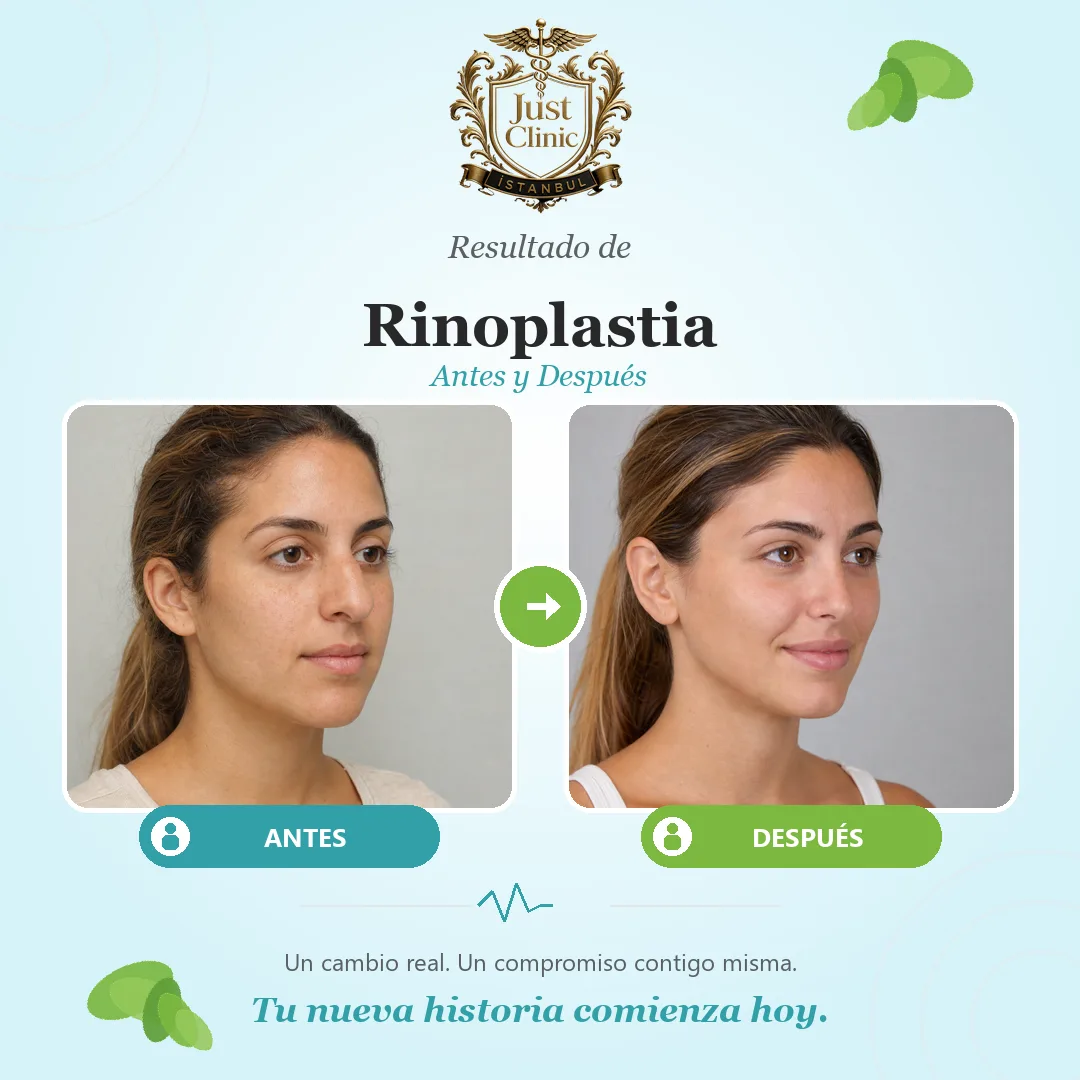
Rhinoplasty is surgery that reshapes the bony and cartilaginous framework of the nose to improve its appearance, facial balance, or — in some cases — nasal airflow. From an aesthetic standpoint, it may address a dorsal hump or irregular bridge, tip projection or width, alar base asymmetry, or the nasolabial angle. When a deviated septum or collapsed valves are present, the procedure may be combined with septonaskorrigering to treat breathing as well.
In routine practice, surgery is carried out under general anaesthesia, or local anaesthesia with sedation for minor cases. Operating time typically ranges from one to three hours depending on anatomical complexity. Reshaping may involve osteotomies, cartilage sculpting or suturing, and autologous grafts when structural support is needed. The aim is not a one-size-fits-all profile, but a balanced result that respects ethnicity, skin thickness, and individual limits.
Common surgical approaches
Closed naskorrigering uses internal incisions with no visible external scars. Open naskorrigering adds a small columellar incision to lift the tip and improve visibility; it is often chosen for tip refinement, marked asymmetry, or revision cases. Ultrasonic (piezo) naskorrigering has become widely used because high-frequency vibrations can reshape bone with less soft-tissue trauma, which may reduce early swelling for many patients. No single technique is universally best — the choice depends on your individual assessment.
What happens on the day of surgery
After pre-operative assessment and required tests, you enter the operating theatre. Once anaesthesia is administered and the planned reshaping is complete, an external splint is usually applied. Temporary nasal packing or internal splints may be used in selected cases. Following a short period of observation, most international patients return to their hotel the same day or after one night in hospital, depending on the centre's protocol and the extent of surgery.
Rhinoplasty recovery: realistic phases and timelines
Recovery does not end when the splint comes off. Understanding the stages helps you interpret residual swelling without mistaking it for a poor early outcome.
The first week
The first two or three days often bring the most swelling and periorbital bruising, which typically shifts from purple to yellow. Nasal congestion, facial pressure, and numbness around the tip or upper lip are common. The external splint is usually removed between days seven and ten; at that point the nose still looks swollen and may appear wider than expected. That early appearance is not the final result.
- Keep your head elevated when sleeping and avoid strenuous activity in the first days.
- Do not blow your nose or rest glasses on the nasal bridge for several weeks.
- Follow prescribed medication, saline rinses, and scheduled follow-up appointments.
- Avoid direct sun on the nasal skin until your surgeon clears it.
From one month to final refinement
Between weeks two and four, much of the bruising fades and many people return to desk work or low-key social activity. Improvement is usually clear after the first month, although the tip — especially with thick skin — can remain swollen for months. A representative result is often visible around three to six months; full structural and skin settling may take nine to twelve months, or longer in complex cases. Scheduled reviews and patience are part of the process.
How much does naskorrigering cost in Turkey?
Searches for naskorrigering Turkey cost are among the most common from UK, US, and European patients comparing options abroad. In Istanbul, primary naskorrigering quotes often fall in an indicative range of €2,500 to €5,500, though figures vary widely. Revision naskorrigering, functional septonaskorrigering, or cases requiring grafts and longer operating time may cost more. Typical medical-travel packages may include surgeon and anaesthesia fees, hospital stay, basic medication, transfers, and accommodation — but confirm in writing what is covered and what is not, including flights, extra tests, or additional hotel nights.
What most strongly influences outcome is not price alone, but surgeon experience (facial plastic surgeon or ENT specialist with aesthetic rhinology background), hospital accreditation, a transparent surgical plan, and structured aftercare. Be cautious of offers far below market level that do not explain who operates, where surgery takes place, and how complications are managed.
Choosing naskorrigering in Istanbul with sound medical criteria
Istanbul has internationally accredited centres, teams used to international patients, and competitive value compared with much of Western Europe. That does not replace your own due diligence: verify credentials, review documented cases similar to your profile, ask about emergency protocols, and confirm English-speaking coordination for consultation, surgery, and follow-up.
For structured information about the procedure within our network, see our naskorrigering in Istanbul page, which outlines the clinical approach and medical-travel coordination. You can also review current pricing factors on our naskorrigering Turkey cost page. At Just Clinic Istanbul naskorrigering, planning starts with an individual consultation: we review photos, realistic goals, and contraindications before quoting. Our coordination team handles transfers, appointments, and clinic communication so you can focus on preparation and recovery.
Deciding to have surgery abroad deserves time. Compare assessments, ask why a specific technique is recommended, and make sure you leave with written instructions for home. When you choose Just Clinic Istanbul naskorrigering, we prioritise centres with recognised safety standards and direct English support before, during, and after surgery — without promising outcomes that no ethical professional can guarantee.