Which tissues a tummy tuck treats and how surgery is performed
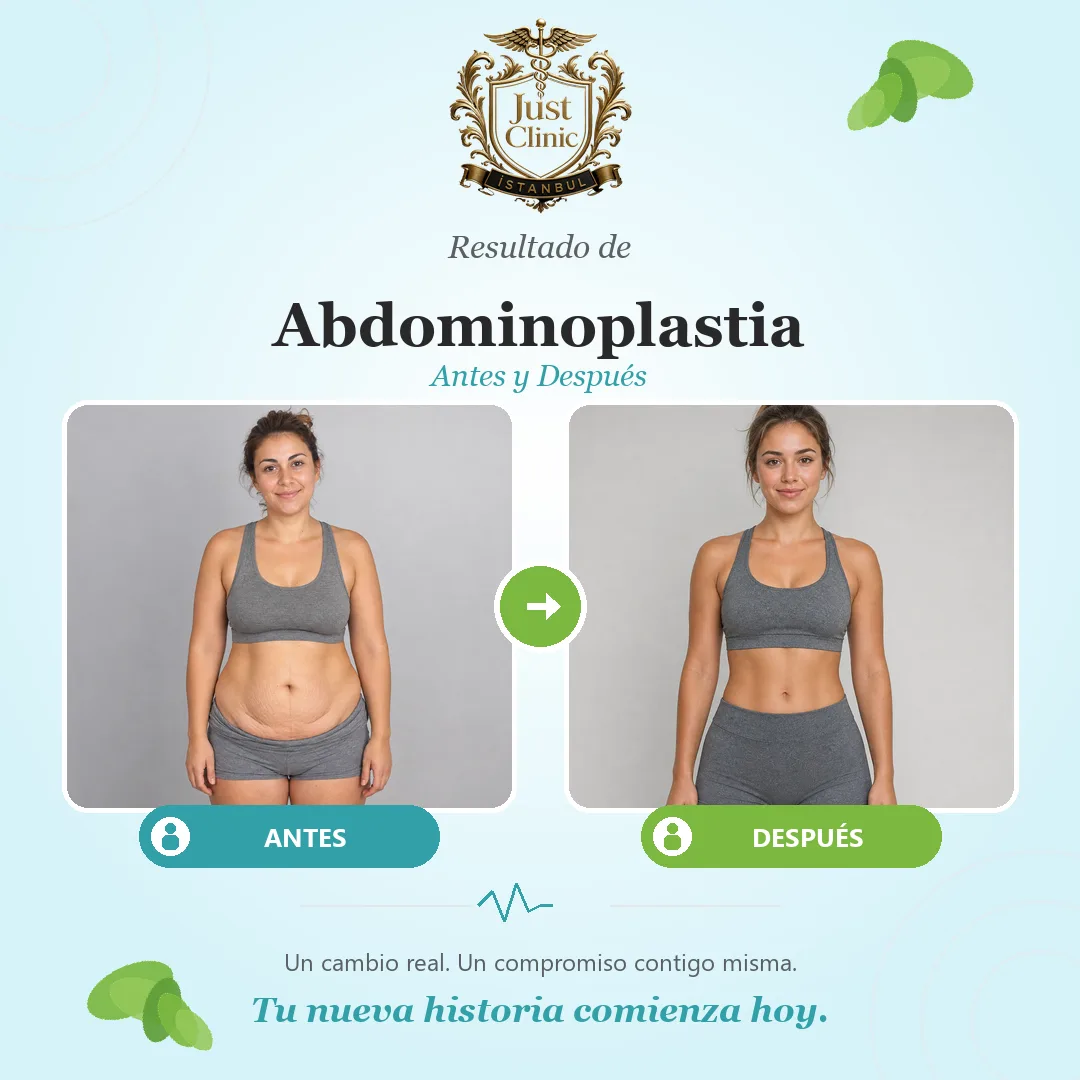
Abdominoplasty — also called a tummy tuck — works on three anatomical layers: redundant abdominal skin, subcutaneous fat, and the anterior abdominal muscles. It does not replace diet or weight loss; its purpose is to reshape contour when skin has lost tone or the rectus muscles have separated.
In routine practice, the surgeon makes a horizontal incision in the suprapubic area, often along the bikini line, to access the subcutaneous plane. Excess skin and fat are removed, and abdominal diastasis is assessed — separation of the rectus muscles common after pregnancy or major weight change. When present, the muscles are approximated and sutured in the midline (plication), reinforcing the abdominal wall. The navel is repositioned and skin is closed in layers. Surgery is performed under general anaesthesia and may last two to four hours depending on case extent.
Variants: mini, full, and combined approaches
Not every patient needs the same technique. A mini tummy tuck addresses laxity below the navel with a shorter incision. Full abdominoplasty treats upper and lower abdomen and often includes muscle repair. Extended abdominoplasty may be considered when excess is lateral. Liposuction of the flanks is sometimes combined to refine the waist, though liposuktion alone cannot remove loose skin or correct diastasis.
Choice depends on skin quality, degree of laxity, and medical history — which is why pre-travel assessment with photos and examination matters.
Why diastasis recti matters in planning
Diastasis recti is separation of the rectus abdominis muscles along the linea alba. It can cause bulging, a sense of weakness, and difficulty toning the area with exercise alone. During abdominoplasty, the surgeon sutures both rectus muscles to restore wall tension. This step does not produce identical results for everyone, but it often improves abdominal profile and trunk firmness.
If you are unsure whether muscle repair is needed, discuss it in consultation before booking travel dates.
Drains, compression garment, and the first days after surgery
After closure, many teams place one or two temporary drains to evacuate fluid (seroma) and reduce tension on the suture line. Drains are not permanent: they are usually removed between post-operative days three and five when output decreases. While in place, the team explains how to record output and when to attend review.
A compression garment supports early recovery by controlling swelling, holding tissues, and limiting sudden movement. Continuous wear is often recommended for the first weeks, with progressive adjustment as swelling subsides. Gentle walking from the first twenty-four hours, with support, supports circulation; abrupt trunk flexion and heavy lifting should be avoided initially.
Typical recovery calendar
- Days 1–7: relative rest, discomfort managed with prescribed analgesia, wound care, and drain monitoring if used.
- Weeks 2–3: many people return to sedentary work; swelling and tightness persist.
- Weeks 6–8: gradual return to moderate activity, per medical guidance.
- Months 3–6: contour often refines as residual inflammation settles.
Timelines vary with surgical extent, general health, and adherence to instructions. No single calendar fits every patient.
How the tummy tuck scar evolves
The abdominoplasty scar usually sits low on the abdomen to stay hidden under underwear or swimwear. Initially it may look red, raised, or firm — normal early healing. Over time — often between six and twelve months — it tends to lighten and flatten, though the mark does not disappear completely.
Factors include closure technique, skin tension, smoking, direct sun exposure, and aftercare. Silicone gel, gentle massage when cleared, and sun protection on the mature scar are common measures. Each skin type responds differently; realistic expectations matter.
How much does a tummy tuck cost in Turkey?
Tummy tuck Turkey cost is often lower than in many European or Latin American countries, but it is not a fixed figure. Price depends on mini versus full abdominoplasty, whether liposuktion is added, estimated operating time, hospital nights, and package services (transfers, garment, reviews, hotel nursing).
Istanbul's concentration of body-contouring clinics allows comparison, but the main criteria should be surgeon qualification, quote transparency, and post-operative follow-up — not the lowest number alone. A written breakdown clarifies what is covered and what may incur extra cost. See our tummy tuck Turkey cost page for current pricing factors.
Choosing a tummy tuck in Istanbul with sound criteria
Istanbul attracts international patients through experience in body surgery, hospital infrastructure, and organised stays. Before deciding, review credentials, safety protocols, coordination language, and what happens if you need follow-up after returning home.
At Just Clinic Istanbul tummy tuck, planning starts with consultation, photo review, and recovery timing adapted to your travel. For procedure detail, our tummy tuck in Istanbul page summarises the clinical approach and English-speaking support.
For those comparing destinations, the key is not savings alone: choosing the right technique, understanding drains and garment use, and knowing how the scar will evolve month by month. Just Clinic Istanbul tummy tuck prioritises clear information and prudent expectations, because a more harmonious abdomen starts with realistic planning from the first conversation.