Anatomical basis: what a breast lift corrects
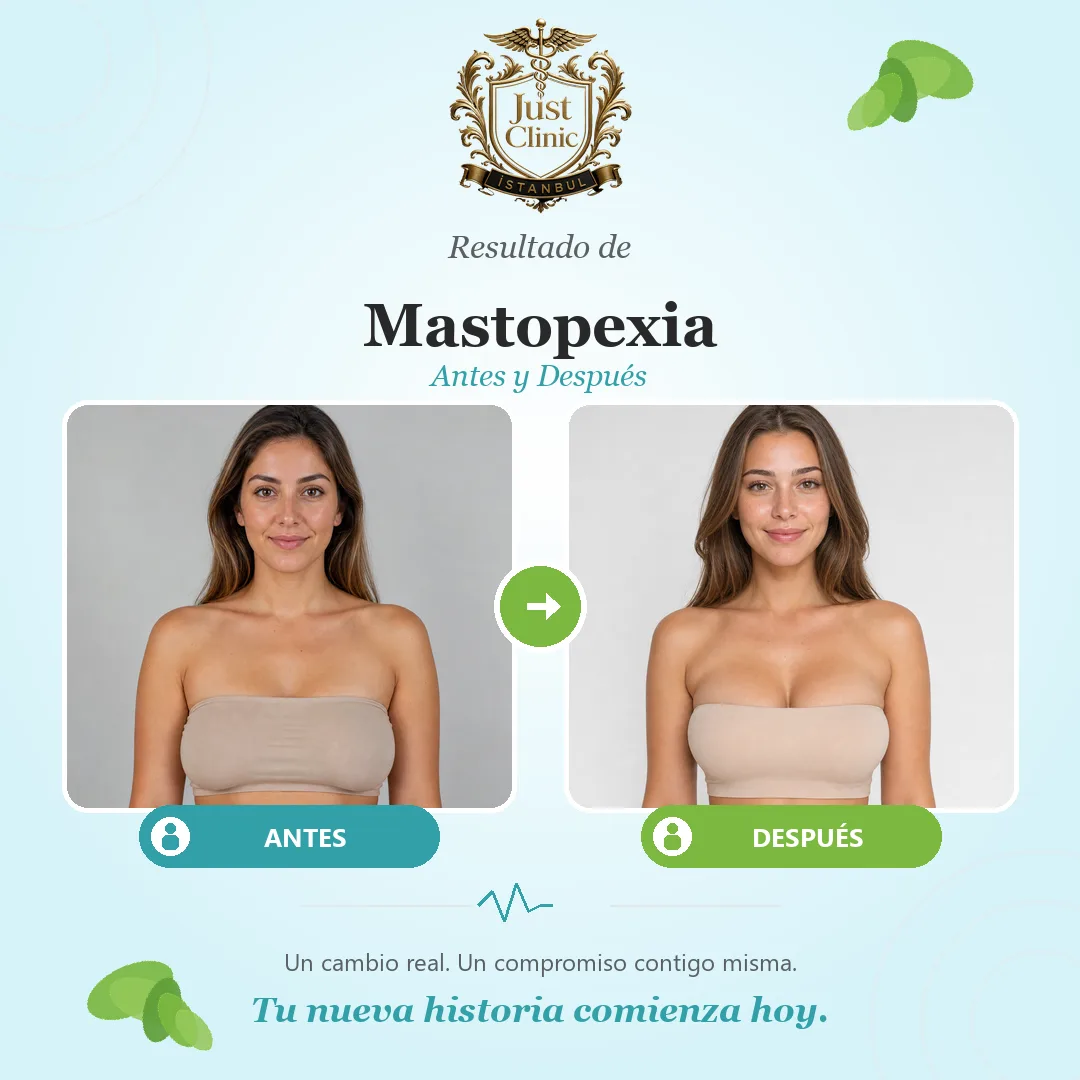
A breast lift (mastopexy) is plastic surgery designed to treat breast ptosis: descent of glandular tissue and skin that pulls the nipple-areola complex lower than desired. Unlike breast augmentation, it does not aim to add implant volume. Instead, it repositions existing tissue, removes excess skin, and reshapes the lower pole of the breast.
Clinical assessment examines the relationship between the areola, inframammary fold, and breast volume. The Regnault classification — grades I, II, and III — guides planning: in mild ptosis the nipple sits near the fold; in moderate ptosis it falls below it; in severe ptosis the lower pole may sit clearly beneath the fold. Understanding this framework explains why no single technique fits every patient.
What happens during surgery
Under general anaesthesia, the surgeon designs incisions based on the degree of drooping and skin elasticity. The new nipple position is marked, redundant skin is removed, breast tissue is reshaped, and incisions are closed with layered sutures to limit tension on scars. Surgery typically lasts two to three hours, depending on how extensive the reshaping is.
Incision patterns: periareolar, vertical, and inverted-T
Incision choice balances anatomical correction with scar length. The goal is not the shortest scar at any cost, but the smallest pattern that can safely address your ptosis.
Periareolar (donut) lift
A circular incision runs around the areolar border. It is usually reserved for mild ptosis (grade I) or moderate tightening in smaller breasts with limited laxity. The scar follows the natural areolar edge, but lifting capacity is limited when significant excess skin is present.
Vertical (lollipop) technique
A vertical incision extends from the areola to the inframammary fold. It is common in moderate ptosis (grade II) because it allows deeper tissue remodelling, with an additional vertical scar that typically fades over time.
Inverted-T (anchor) mastopexy
This combines periareolar, vertical, and horizontal incisions in the inframammary crease. It is indicated for severe ptosis (grade III) or major skin redundancy. It offers the broadest correction in exchange for a longer scar, though part of it is hidden in the breast fold.
Who may consider a breast lift?
Typical candidates are women with ptosis after pregnancy, breastfeeding, weight change, or ageing who want improved position and firmness without necessarily increasing size. Implants may be added when volume loss accompanies drooping — a different procedure from mastopexy alone.
Planning factors include medical history, smoking, recent weight stability, and realistic expectations about scars and healing. Completing planned pregnancies before surgery is often advised because a later pregnancy can alter the result. During consultation, the team assesses whether the procedure fits your anatomy and recovery plan.
Recovery, results, and scar maturation
The first days usually bring swelling, increased sensitivity, and discomfort managed with prescribed medication. A compression bra is worn for several weeks; heavy lifting, sleeping face down, and intense exercise are avoided for roughly four to six weeks. Keeping the upper body slightly elevated at rest is helpful.
Light activity may resume around the first week; desk work often returns within two to three weeks. Early contour change is visible quickly, but final shape usually settles between three and six months as residual swelling fades.
Typical scar timeline
Scars are permanent, though their appearance improves over time. They may look red or raised in the first weeks; between three and six months they often lighten; full maturation can take up to twelve months. Sun protection, massage when advised, and avoiding wound tension support a more discreet appearance, without guaranteeing identical results for every patient.
Planning a breast lift in Turkey and Istanbul
Turkey attracts international breast surgery patients through experienced teams, hospital infrastructure, and organised medical travel. Istanbul in particular receives patients from Europe and beyond seeking breast lift surgery with structured follow-up before discharge.
When comparing options, verify centre accreditation, surgeon training, what the quote includes (reviews, bra, medication, transfers), and how follow-up works after you return home. Most teams recommend staying seven to ten days in the city for initial checks before flying. For clinical detail, see our breast lift in Istanbul page.
At Just Clinic Istanbul breast lift, care starts with individual assessment: photos, ptosis grade, skin quality, and aesthetic goals are reviewed before technique and travel dates are proposed. Our coordinators provide English support for consultation, clinic visits, accommodation, and follow-up so the process stays transparent from first contact.
Choosing Just Clinic Istanbul breast lift means language support at each stage — pre-operative consultation, surgery day, and remote follow-up — without promising identical results or recovery times for every patient. Each body heals differently; rigorous medical planning and adherence to aftercare instructions matter most.